
Best Backpacking 1-Person Tents | 2026 Awards
Seven categories. Seven winners.
This has been an exciting year for 1-person tents. The team at GearPriority has tested some of the most interesting new tents to reach the market in years and almost every category saw a strong new contender. The 1-Person Tent Awards cover everything from the best freestanding tent to the best ultralight tent to the most innovative. Which tent handles a storm best? Which one is worth carrying on a thru-hike? Here are the winners!
The Awards
| Award | Winner | Grade | Review | Buy |
|---|---|---|---|---|
| Best Freestanding 1-Person Tent | Durston X-Dome 1+ Durston X-Dome 1+ | A+ | Full review → | Check price |
| Best Ultralight 1-Person Tent | Zpacks Plex Solo Lite Zpacks Plex Solo Lite | A- | — | Check price |
| Best Super-Ultralight 1-Person Tent | Gossamer Gear DCF Whisper Gossamer Gear DCF Whisper | B | — | Check price |
| Best Budget 1-Person Tent | 3FUL Lanshan 1 Pro 3FUL Lanshan 1 Pro | B+ | Full review → | Check price |
| Best All-Around 1-Person Tent | Durston X-Dome 1+ Durston X-Dome 1+ | A+ | Full review → | Check price |
| Most Stormworthy 1-Person Tent | Tarptent ArcDome 1+ Tarptent ArcDome 1+ | A- | Full review → | Check price |
| Most Innovative 1-Person Tent | Big Agnes Pitchpine VST 1.5 Big Agnes Pitchpine VST 1.5 | B+ | — | Check price |
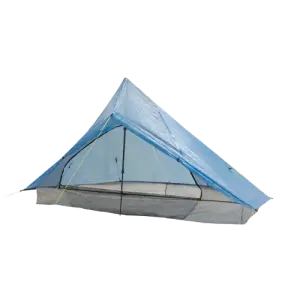
Durston X-Dome 1+
• Inner tent (if applicable)
• Tent floor
• Poles (if applicable)
• Any pre-attached guylines
Tap outside the box to close
• Attached and optional included guylines
• Included tent stakes
• Poles (if applicable)
Tap outside the box to close
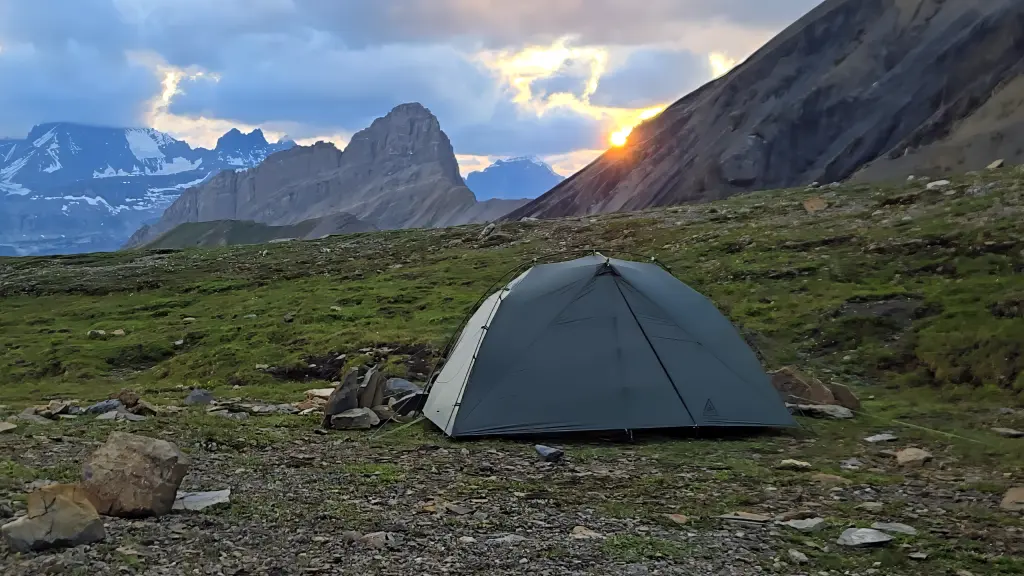
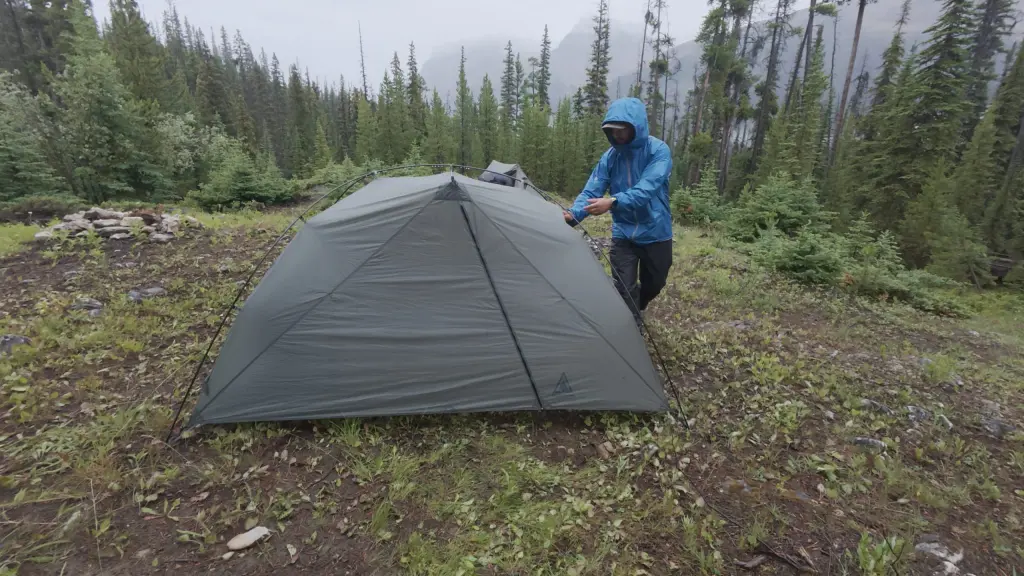
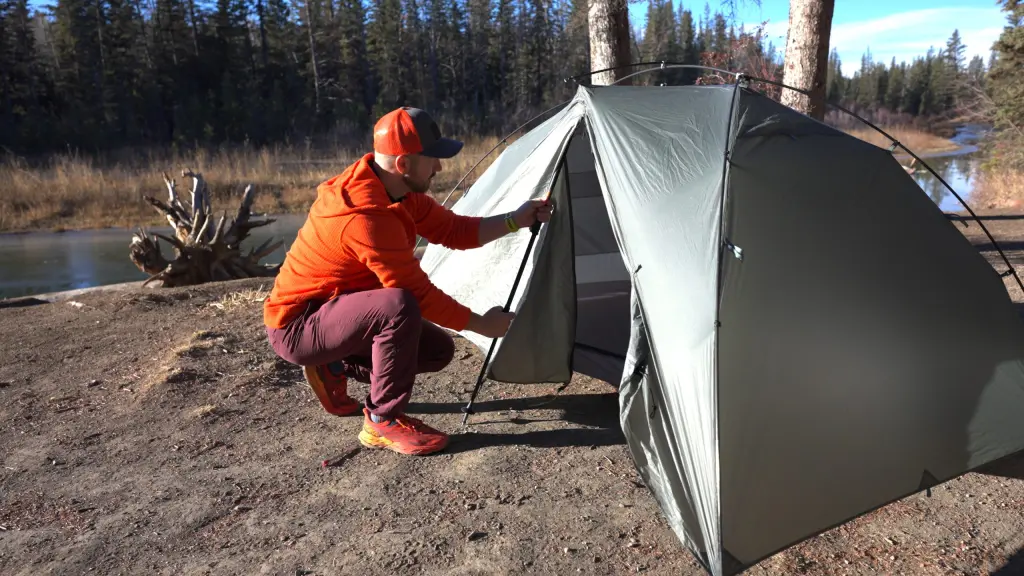
What we prioritized: Full structure with no stakes, a fly-first or all-in-one pitch, and a good balance of storm performance, weight, and space.
Pros
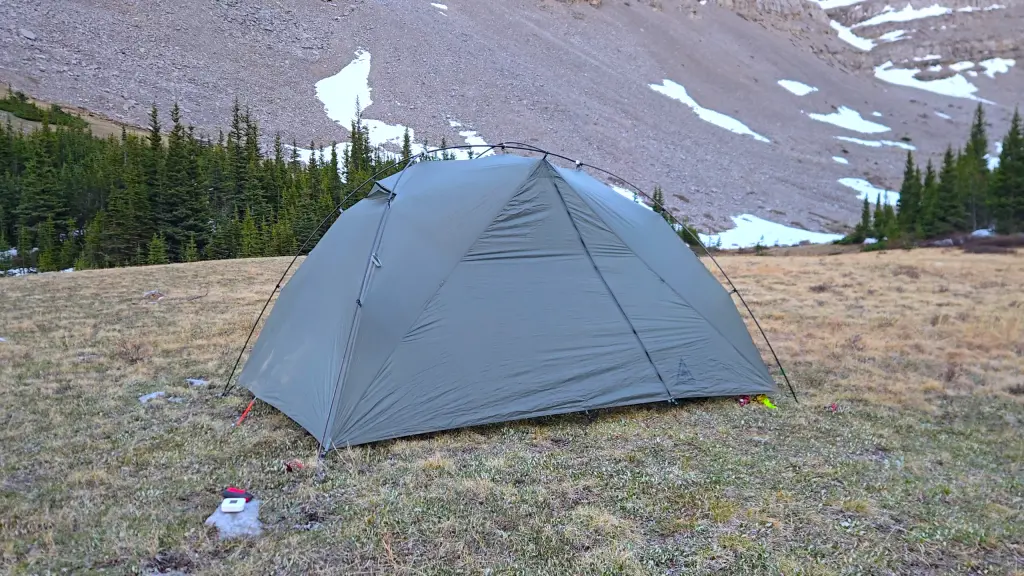
- One of the lightest fully freestanding tents on the market, at a measured 985 g (2.2 lb).
- Extremely stormworthy. It held its structure in blizzard conditions and extreme wind on a winter glacier camp.
- Trekking poles fit into both sides of the tent to support the door and back panels, the two biggest panels that catch wind, so the tent stays more stable in strong wind.
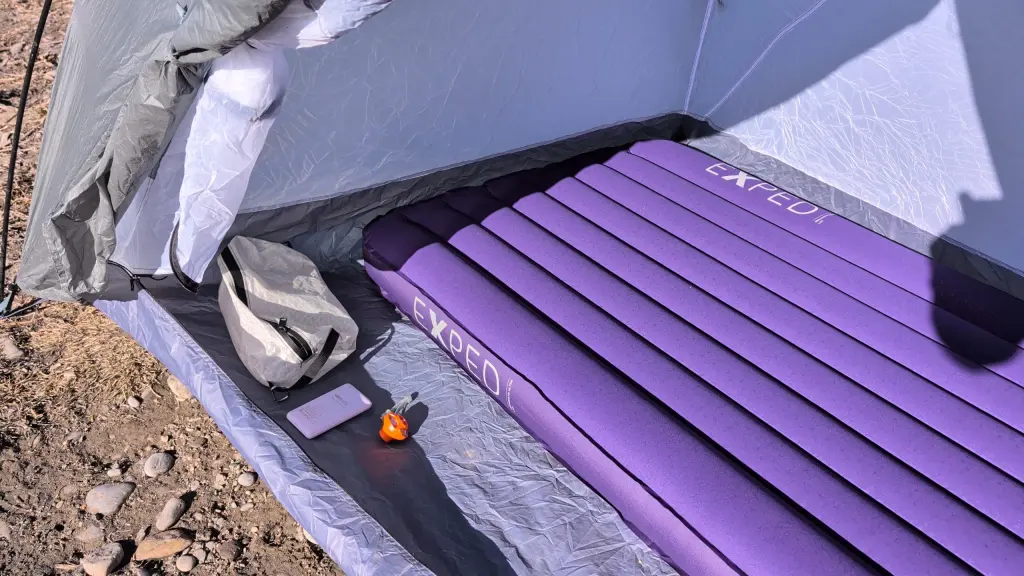
- Roomy inside. A 76.2 cm (30 in) wide sleeping pad fits with space on the floor for gear.
- Vertical walls on all four sides allow sitting up almost anywhere in the tent.
Cons
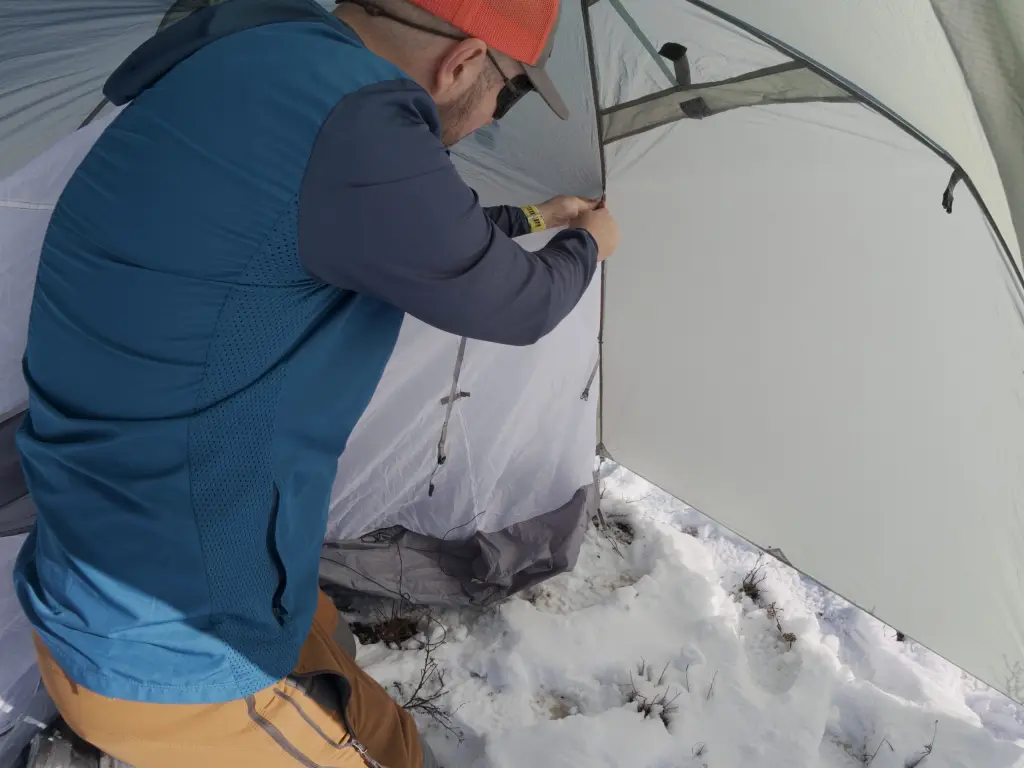
- Each pole end has to go into two separate grommets, one on the fly and one on the inner, which slows and complicates setup.
- People over 188 cm (74 in) using a thick sleeping pad and a lofty sleeping bag or quilt might touch the inner walls at the head and foot ends.
Contenders: NEMO Dragonfly 1P, Marmot Tungsten UL 1P, Tarptent ArcDome 1+, Big Agnes Copper Spur UL1, MSR Hubba Hubba LT 1.
Alternative pick: The Tarptent ArcDome 1+ is the alternative. The Arcdome 1+ is heavier and less roomy but more stormworthy than X-Dome 1+.
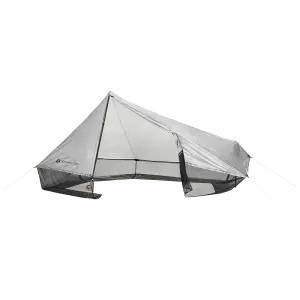
Zpacks Plex Solo Lite
• Inner tent (if applicable)
• Tent floor
• Poles (if applicable)
• Any pre-attached guylines
Tap outside the box to close
• Attached and optional included guylines
• Included tent stakes
• Poles (if applicable)
Tap outside the box to close
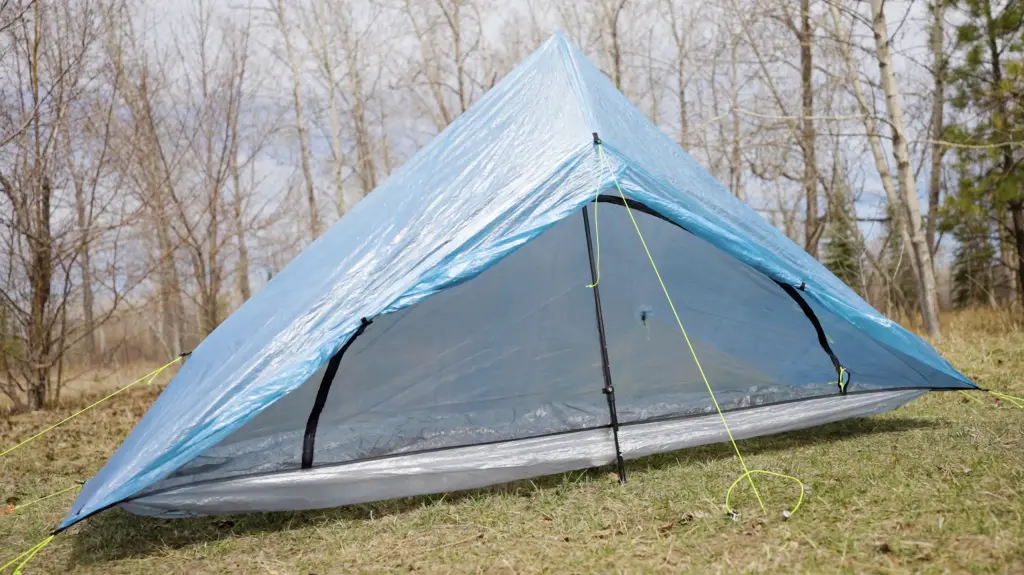
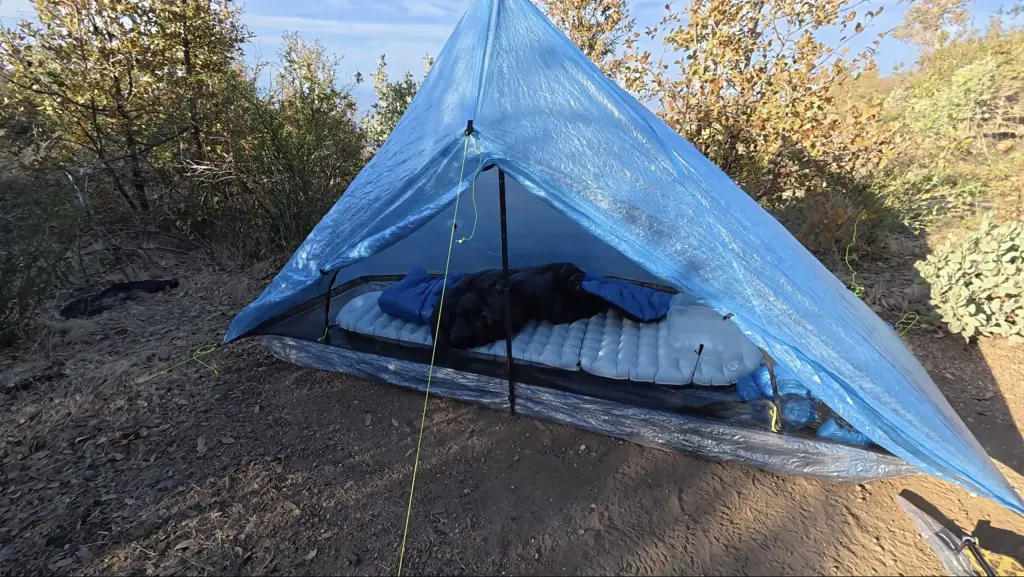
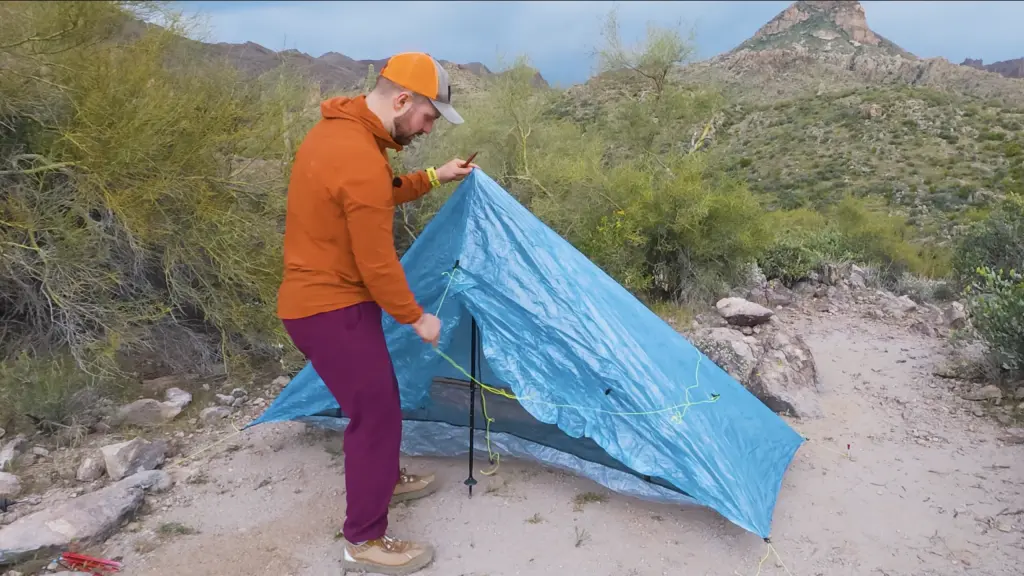
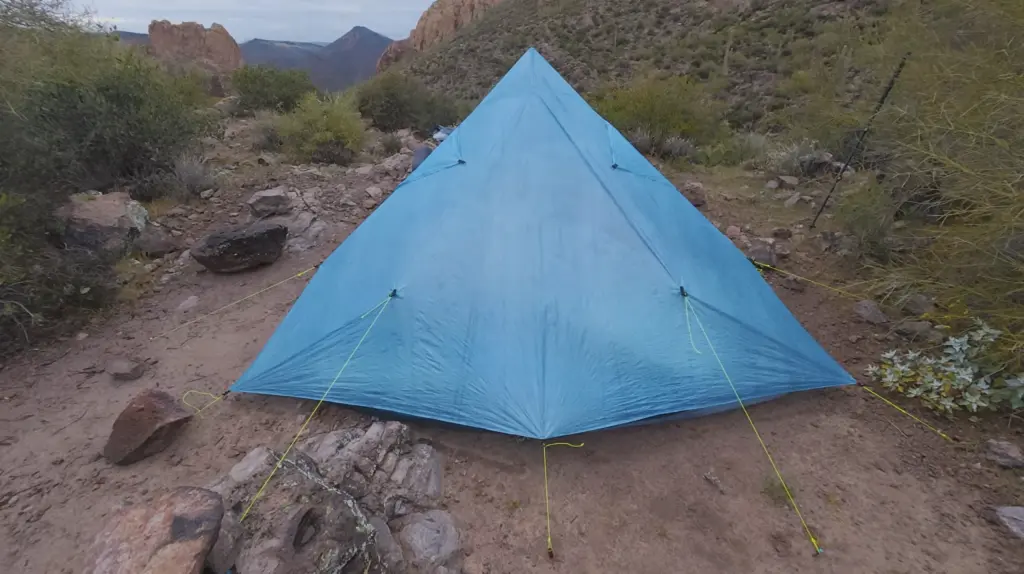
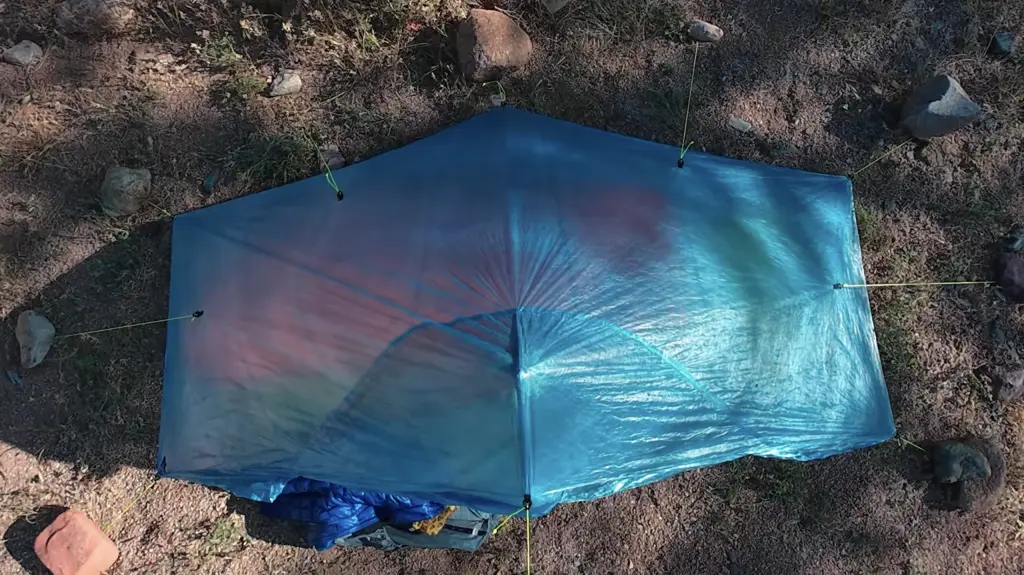
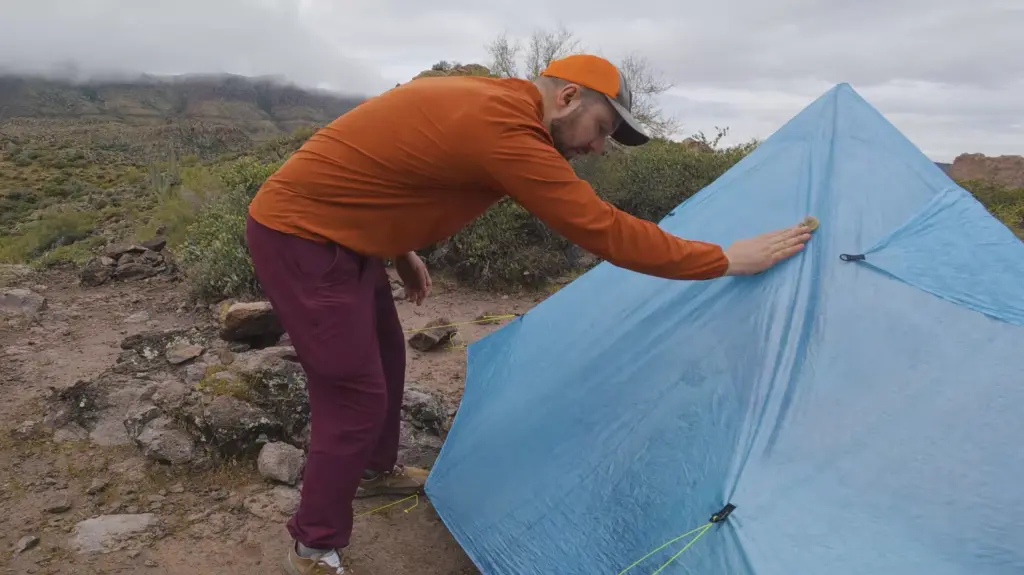
What we prioritized: Very low weight, an easy setup at the end of a big day, and the reliability to last a long hike.
Pros
- A fully enclosed tent with a floor and bug protection that only weighs 337 g (11.9 oz).
- Pitches with a single trekking pole, so a broken pole leaves a spare to pitch the tent (if you are using two trekking poles).
- The fly doors close with a toggle instead of a zipper, so there is one less part to fail - especially in sandy conditions that clog zippers.
- Very stormworthy for the weight because the sloped walls of the pyramid shape deflect wind well. We have tested the Plex Solo in winds over 70 km/h (43 mph) and the tent barely moved.
- The single-wall Dyneema fly is easy to wipe dry inside and out, which saves carrying the weight of the water after packing the tent up if it has experienced condensation or rain.
Cons
- Small for taller people. Anyone over about 1.83 m (6 ft) should consider the larger Zpacks Altaplex.
- A single wall does not provide a barrier between you and any condensation on the fly. The steeply sloped walls make the fly hard to avoid when moving around or sitting up.
Contenders: Durston X-Mid Pro 1, Zpacks Pivot Solo.
Alternative pick: The Durston X-Mid Pro 1 is the runner-up. The X-Mid Pro 1 is one of the most popular tents on thru-hikes, but it needs two trekking poles to set up instead of one.
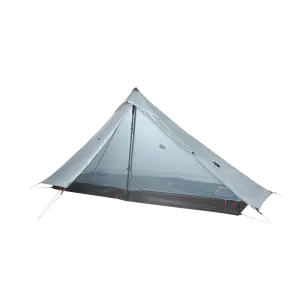
Gossamer Gear DCF Whisper
• Inner tent (if applicable)
• Tent floor
• Poles (if applicable)
• Any pre-attached guylines
Tap outside the box to close
• Attached and optional included guylines
• Included tent stakes
• Poles (if applicable)
Tap outside the box to close
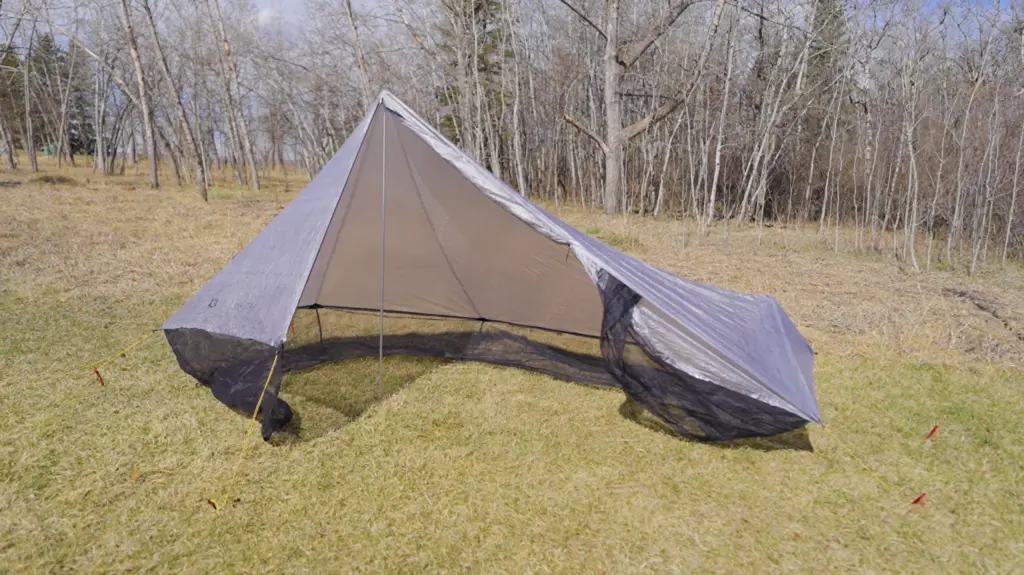
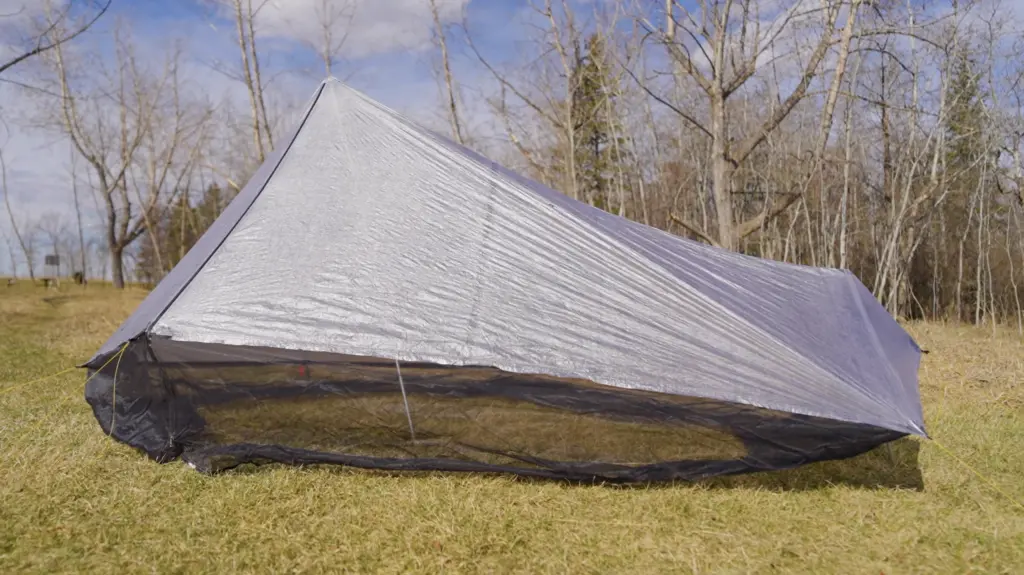
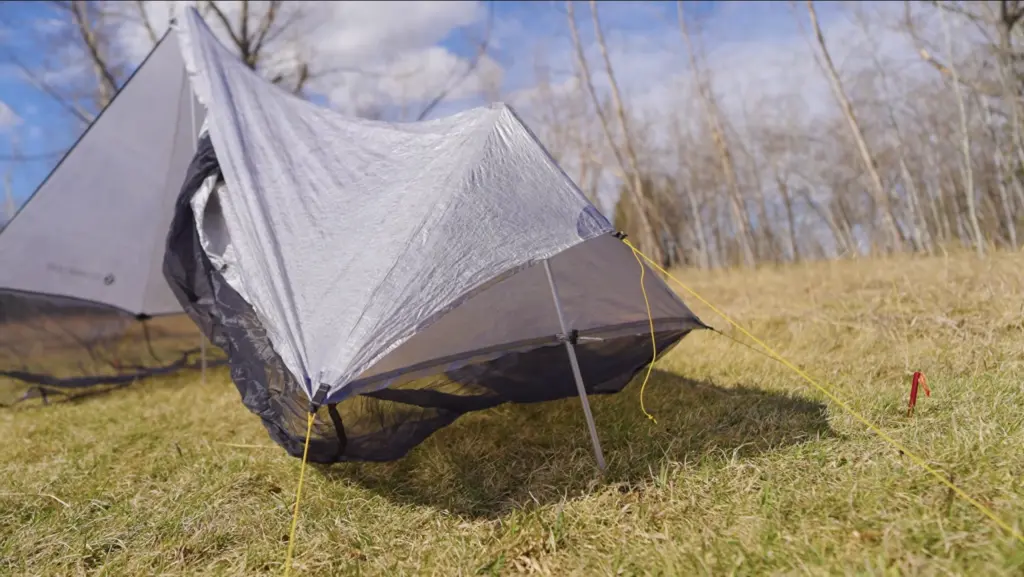
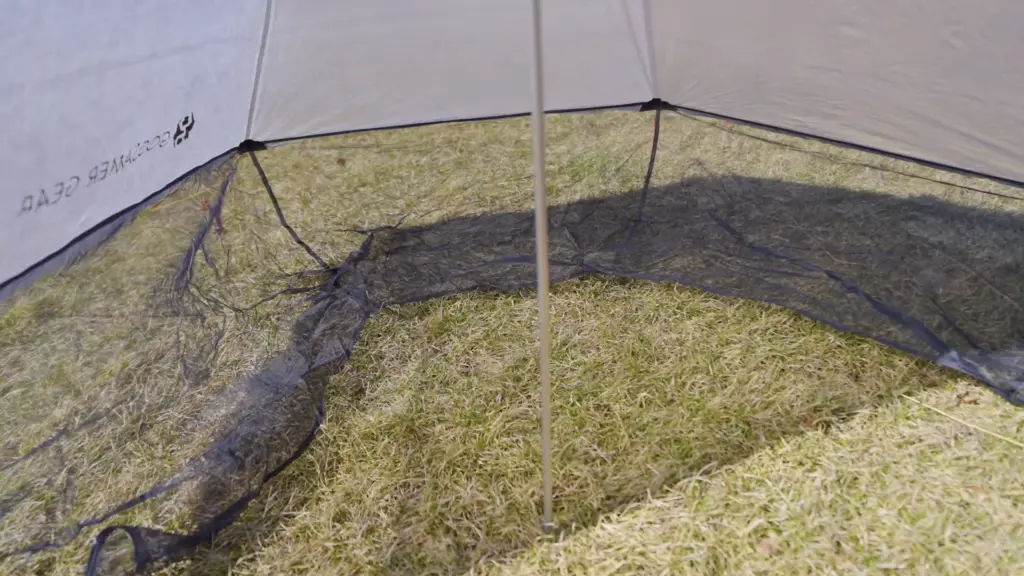
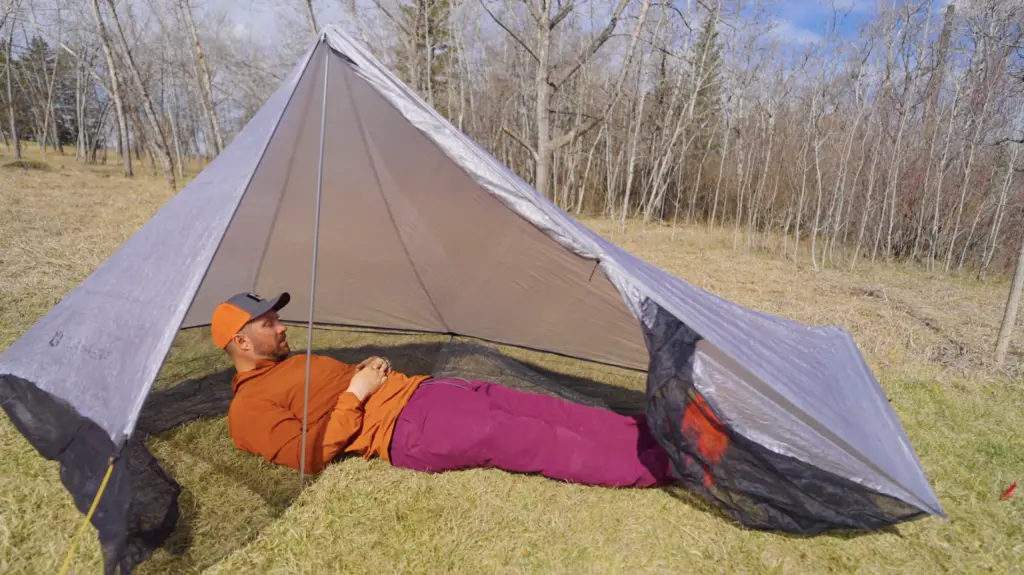
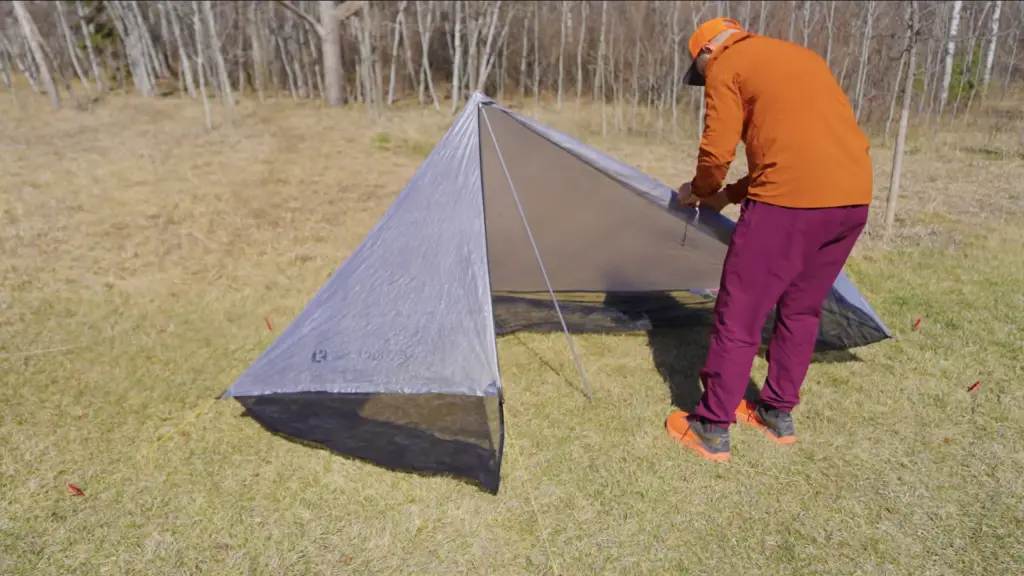
What we prioritized: Extremely low weight, while giving enough protection from rain and bugs to enjoy the trip.
Pros
- Extremely light at 285 g (10.1 oz).
- A mesh skirt runs around the whole perimeter to help keep bugs out and block some wind.
- A small pole at the foot end adds space and volume, so the Whisper does not feel cramped at the head and foot like many super-ultralight shelters.
- Enough height inside to sit up, with a peak height of 130.5 cm (51.4 in).
- A fully zippered door, which many super-ultralight shelters do not have, so bugs and wind can be closed out at night.
Cons
- Needs two poles to set up: a taller trekking pole at the head end and then a smaller trekking pole, stick, or the optional Gossamer Gear pole.
- The tent doesn’t have a floor and needs a ground sheet or a sleeping pad durable enough to lie directly on the ground.
Contenders: Zpacks Hexamid Pocket Tarp, Six Moon Designs Gatewood Cape.
Alternative pick: The Zpacks Hexamid Pocket Tarp is the pick for going even more minimal. The Hexamid Pocket Tarp packs smaller and is lighter than the Whisper but doesn’t have the mesh skirt and only uses one pole.
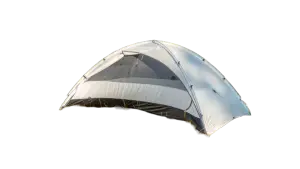
3FUL Lanshan 1 Pro
• Inner tent (if applicable)
• Tent floor
• Poles (if applicable)
• Any pre-attached guylines
Tap outside the box to close
• Attached and optional included guylines
• Included tent stakes
• Poles (if applicable)
Tap outside the box to close
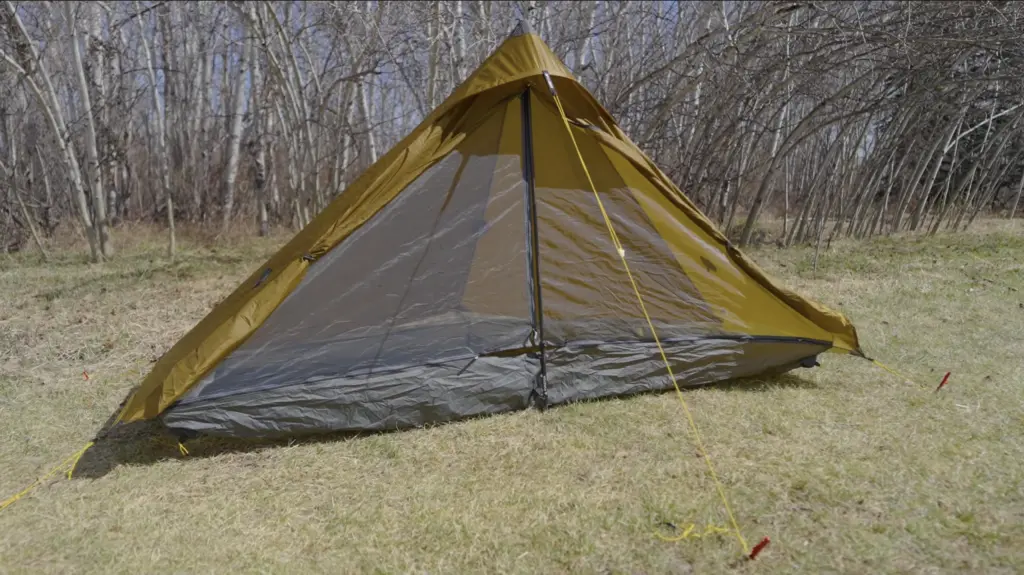
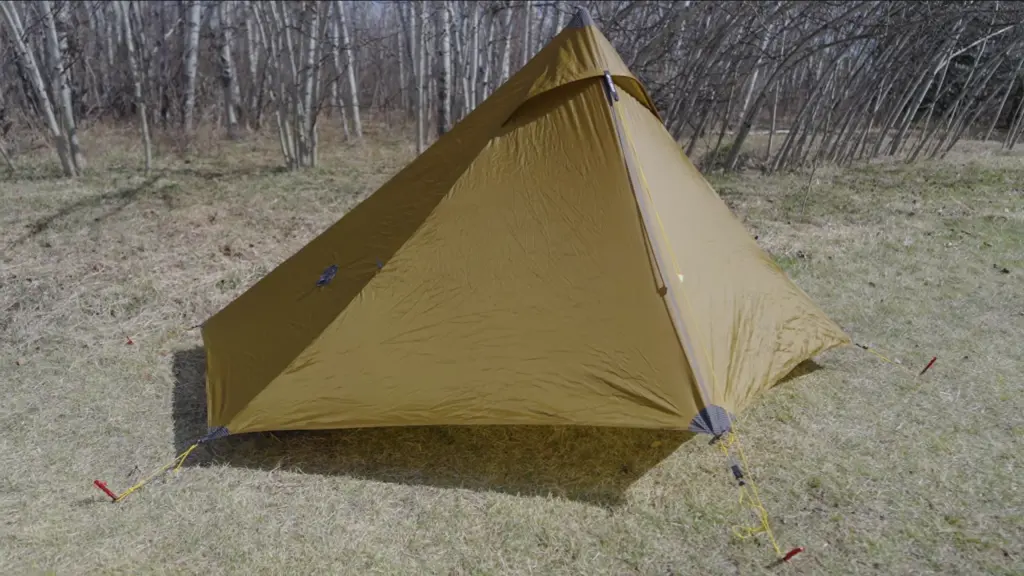
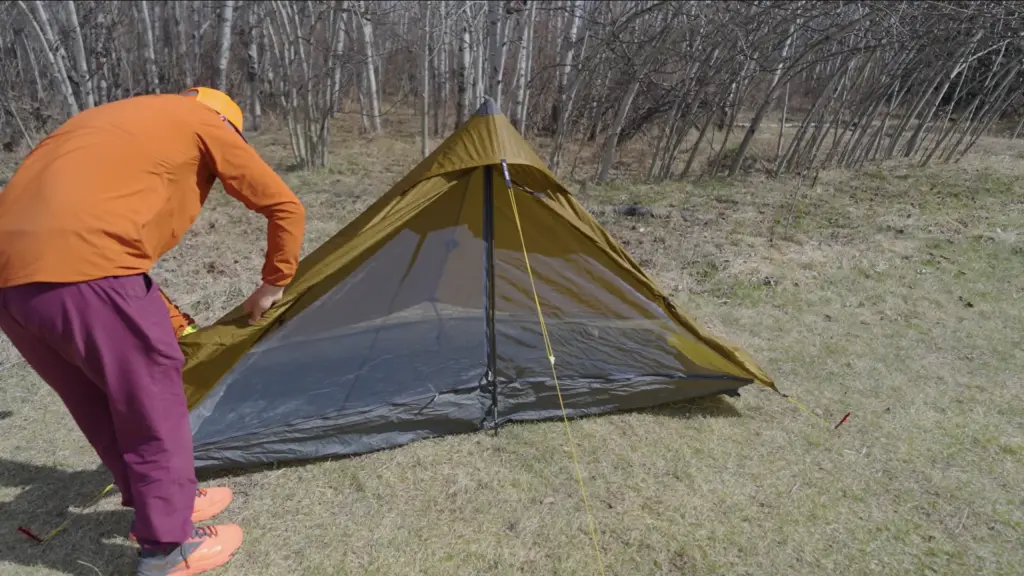
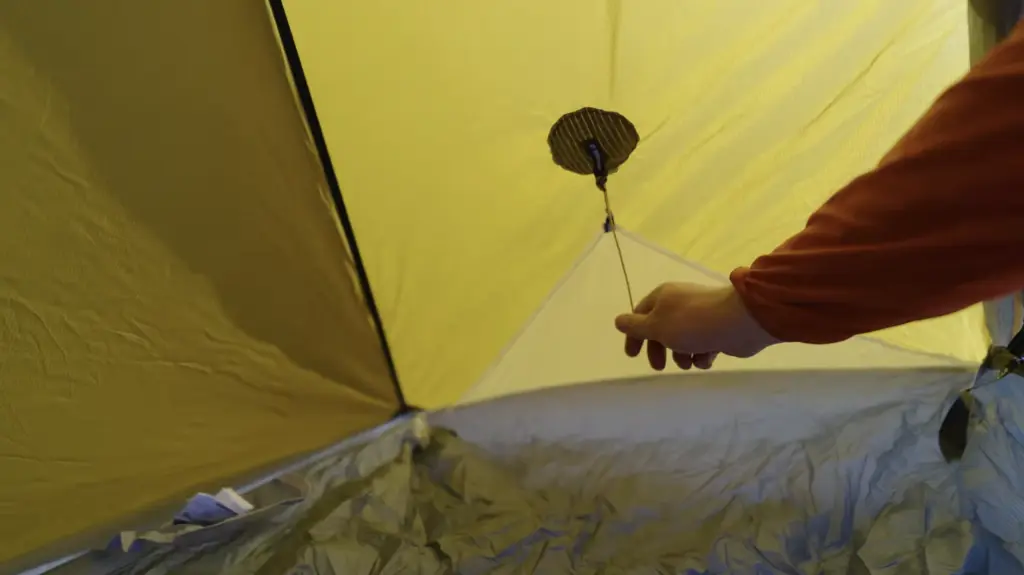
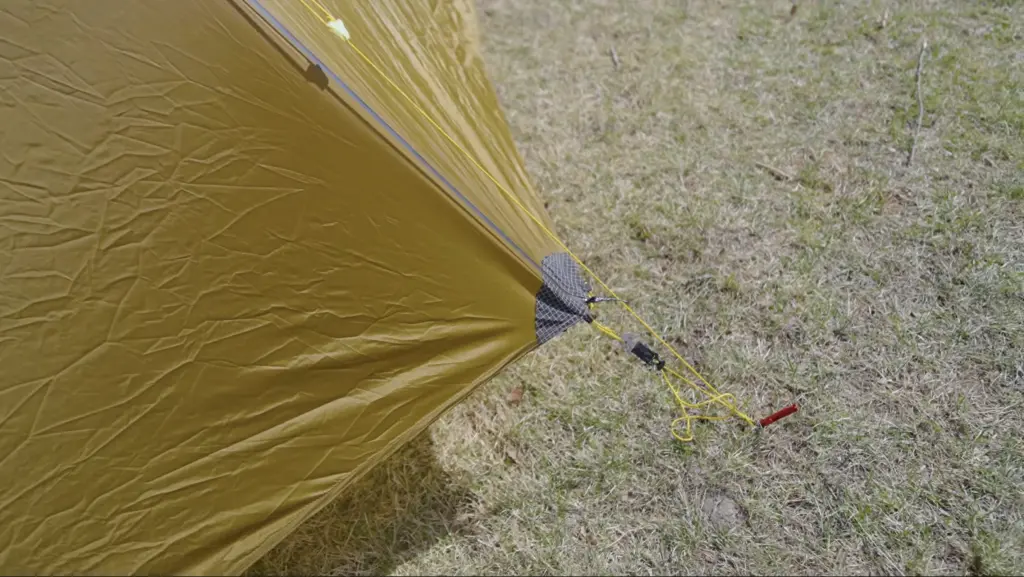
What we prioritized: A good price, easy to use, and easy to buy in most countries.
Pros
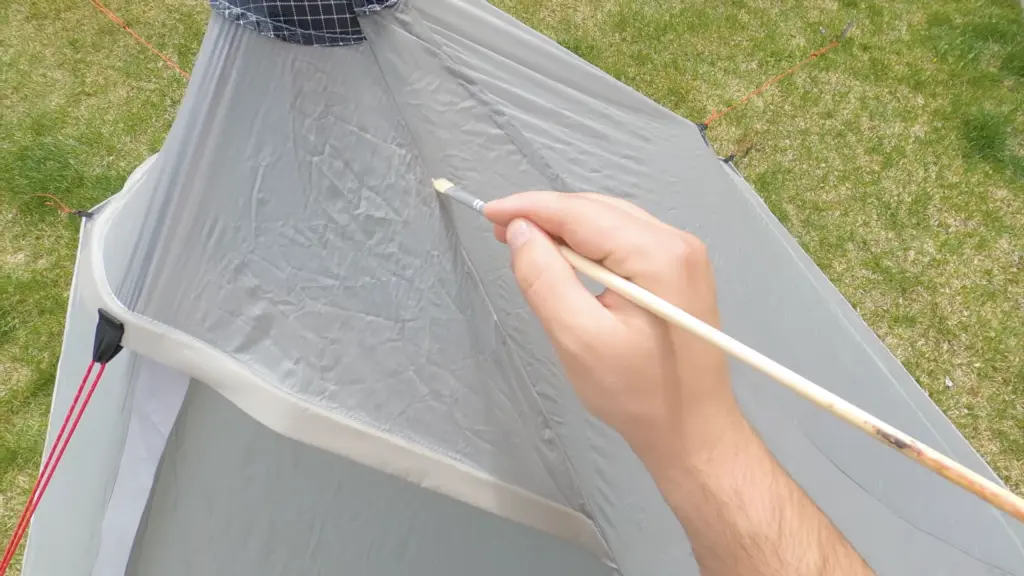
- The silpoly fly material does not sag or stretch when wet, which matters on a trekking pole tent because the fly provides some of the structure of the tent.
- A T-shaped door allows getting in from either side.
- Two adjustable flaps at the head and foot ends create a barrier between you and condensation on the single-wall fly (similar to a double-wall tent).
Cons
- It takes a few practice pitches for anyone new to trekking pole tents to get used to the nuances of setup. Once the pitch is learned, the Lanshan 1 Pro is quicker to set up than most tents with traditional poles.
- The seams have to be sealed by hand with silicone seam sealer before the first trip to make the tent fully waterproof.
- Sloped end walls create a small interior, so people over 183 cm (72 in) using a thick sleeping pad and lofty insulation are likely to touch one or both end walls.
Contenders: Six Moon Designs Lunar Solo, 3FUL Lanshan 1, Clostnature Crux 1P, Naturehike Star Trail 1P.
Alternative pick: The Six Moon Designs Lunar Solo is the alternative. It is more expensive but has more interior space.
Durston X-Dome 1+
• Inner tent (if applicable)
• Tent floor
• Poles (if applicable)
• Any pre-attached guylines
Tap outside the box to close
• Attached and optional included guylines
• Included tent stakes
• Poles (if applicable)
Tap outside the box to close
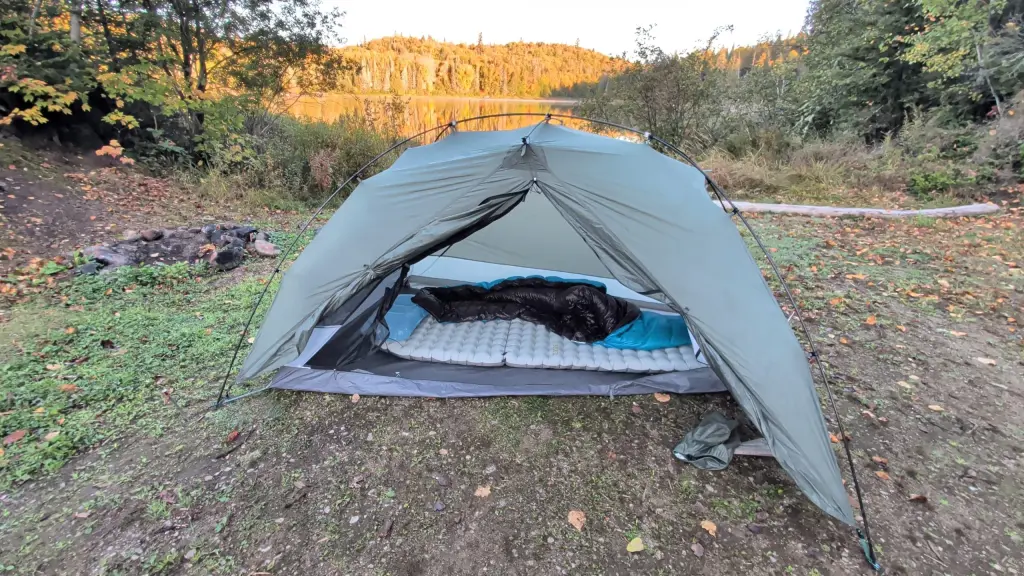
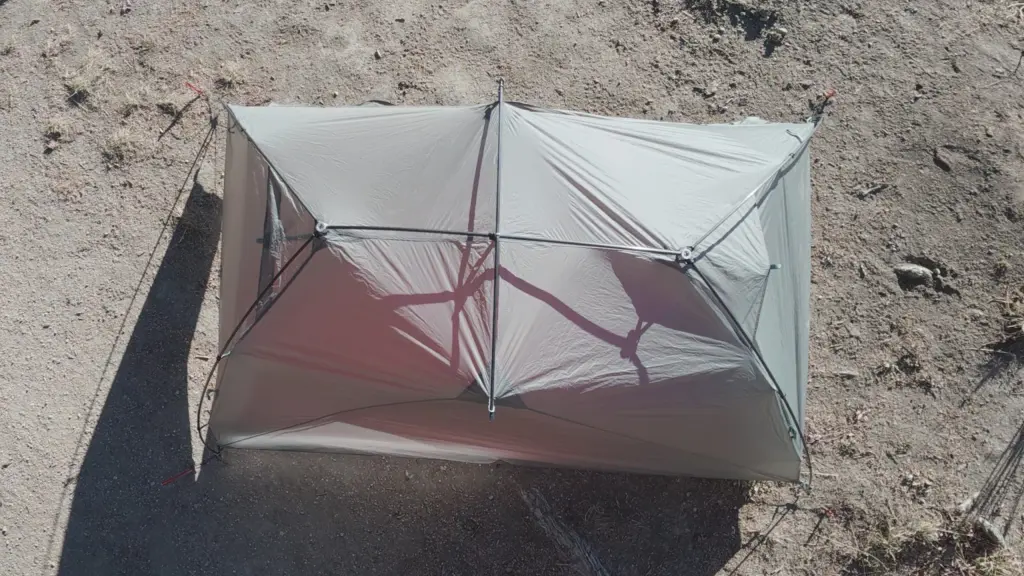
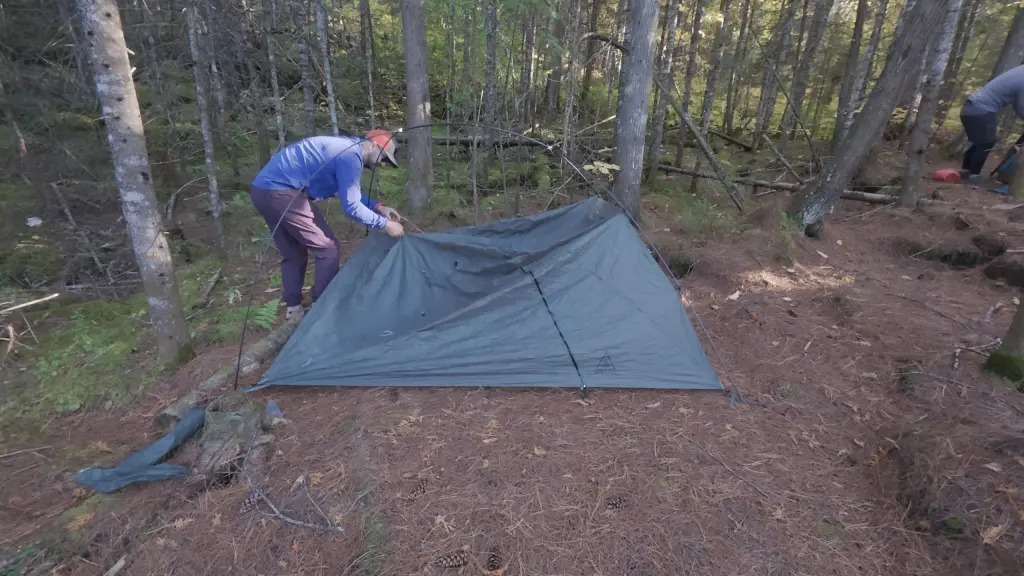
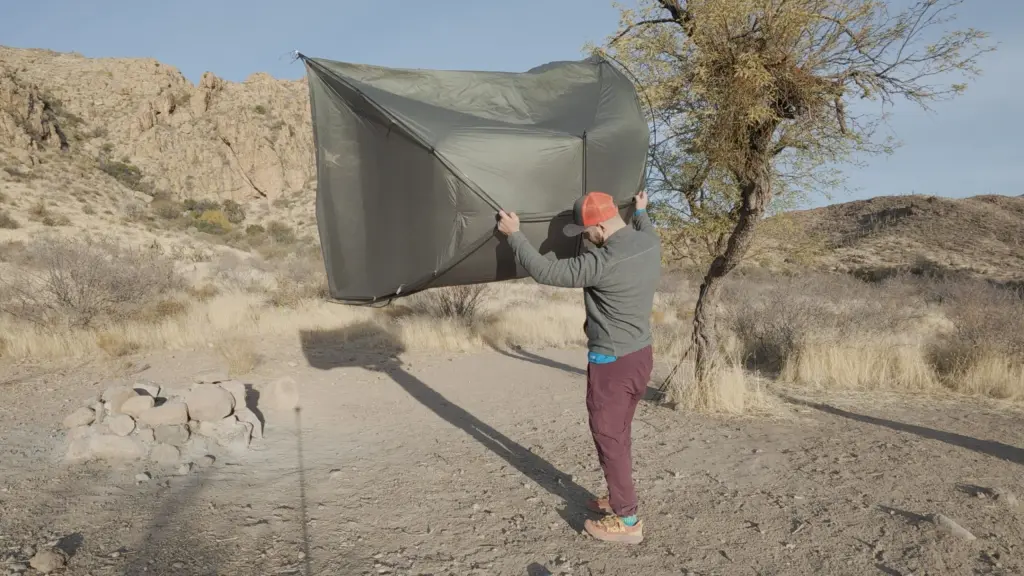
What we prioritized: The best balance of weight, price, ease of use, stormworthiness, and space.
Pros
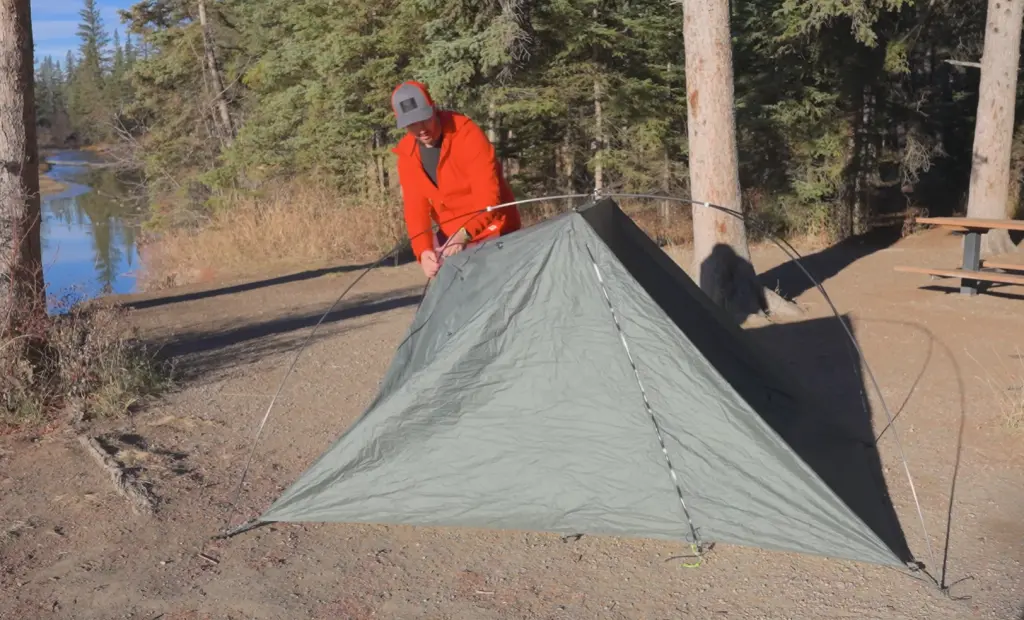
- One of the easiest tents to set up with an all-in-one pitching option.
- The highest possible scores for stormworthiness and livability in testing, at a measured 985 g (2.2 lb).
- Double-wall provides a physical barrier between you and gear inside the tent and any condensation that accumulates on the inside of the fly.
- Three ways to pitch the X-Dome 1+. Inner first, fly and inner together, or fly first with the inner clipped in afterwards. The fly can also be used on its own to save weight.
Cons
- People over 188 cm (74 in) using a thick sleeping pad and a lofty sleeping bag or quilt might touch the inner walls at the head and foot ends.
Contenders: Tarptent Rainbow.
Alternative pick: The Tarptent Rainbow is the pick for taller people, since it is a little longer than the X-Dome 1+. The Rainbow is also very light, uses a single-wall fly, and can use trekking poles for extra support. The Rainbow is not freestanding and does not have the three pitching options of the X-Dome 1+.
Tarptent ArcDome 1+
• Inner tent (if applicable)
• Tent floor
• Poles (if applicable)
• Any pre-attached guylines
Tap outside the box to close
• Attached and optional included guylines
• Included tent stakes
• Poles (if applicable)
Tap outside the box to close
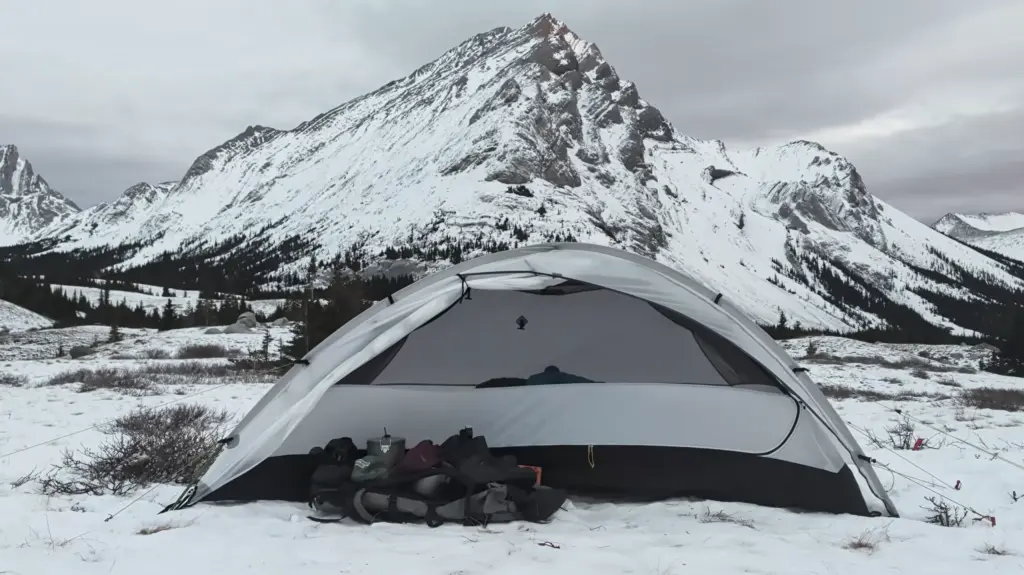
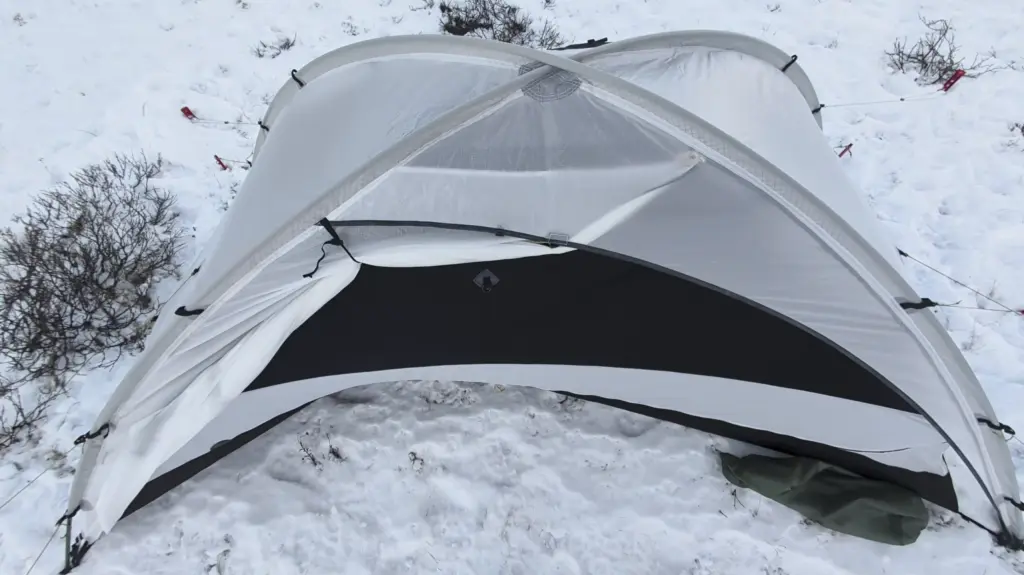
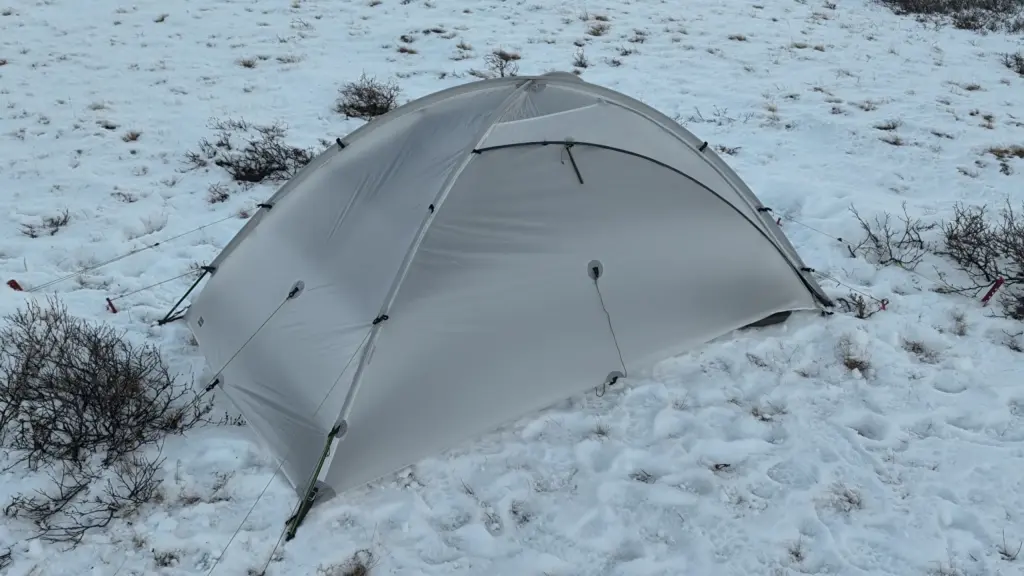
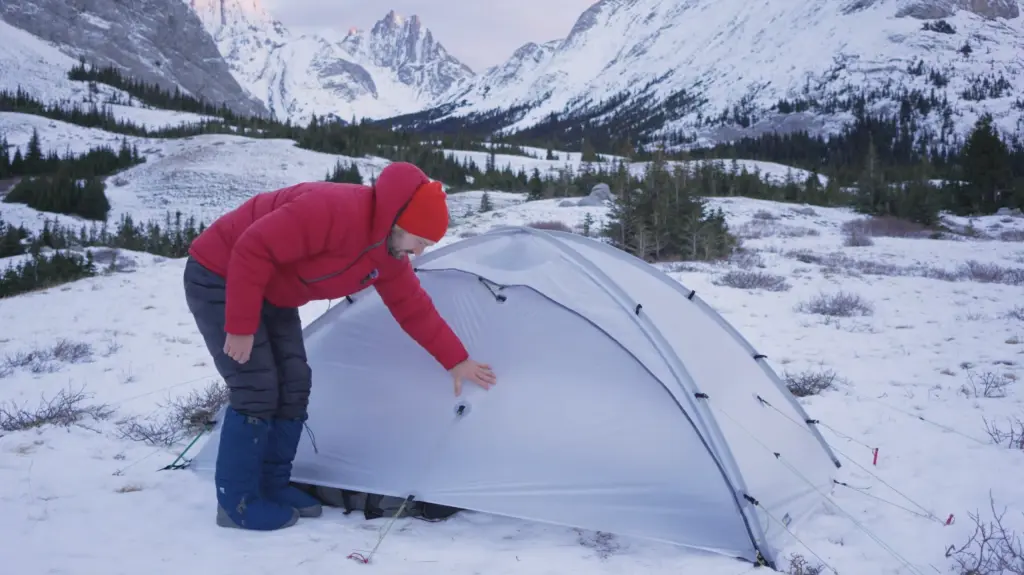
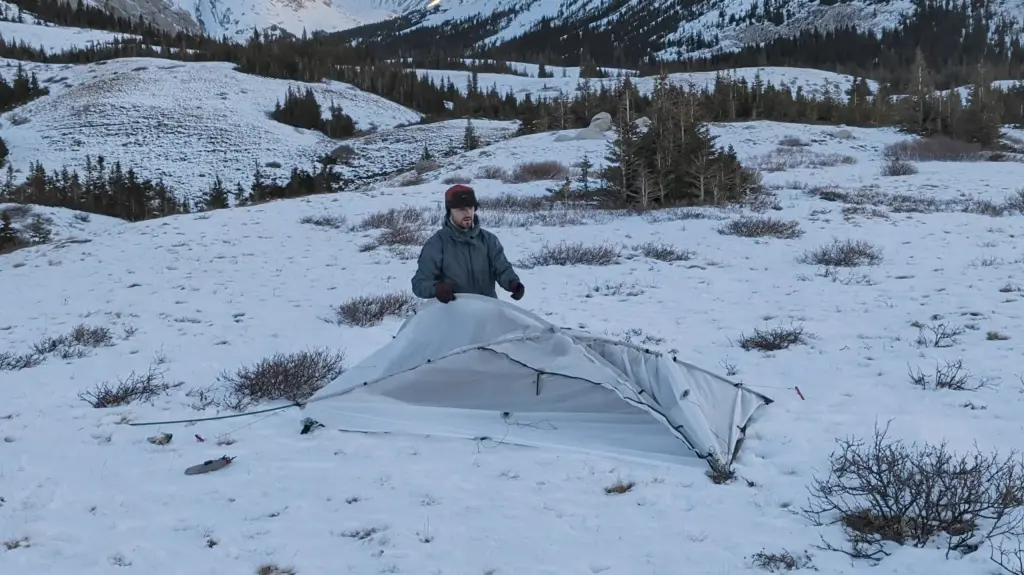
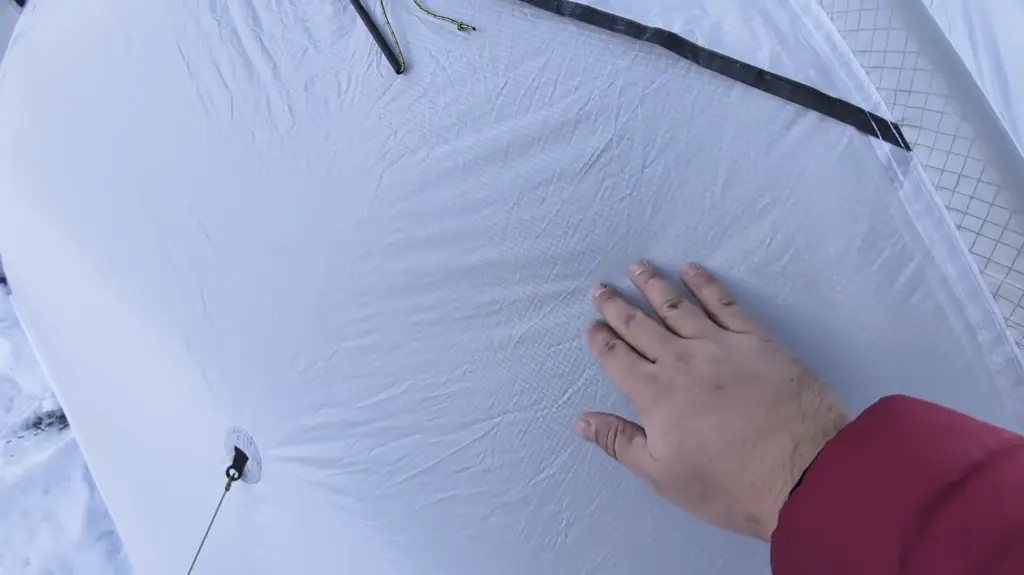
What we prioritized: Maintains structure in winds over 100 km/h (62 mph) and manages heavy rain or snow, can be used in moderate storms without many guylines, and stays roomy enough to wait out a storm.
Pros
- A choice of pole strengths, full overlapping pole sleeves, plenty of guyout points, and strong materials make the ArcDome 1+ extremely capable in wind.
- The tent has been tested in winds over 100 km/h (62 mph) and it barely moved.
- The silpoly fly stuffs into its sack without folding, which makes packing much easier in strong wind and winter conditions than with DCF or Ultra TNT.
- Can be incrementally set up so that guylines and supports can be installed as the tent is pitched.
- Fairly light at 1.44 kg (3.2 lb) for how stormworthy the ArcDome 1+ is.
Cons
- Pushing the poles through the full-length pole sleeves is slower than clipping a tent to its poles.
- The stormworthiness (and associated weight) is likely overkill for many people.
Contenders: Durston X-Dome 1+, Samaya 2.0.
Alternative pick: The Samaya 2.0 is the runner-up. The Samaya 2.0 is sold as a 2-person tent but is closer in size to a 1+ tent, with a low profile that catches less wind and a very easy setup. The ArcDome 1+ wins with more space inside and slightly better stormworthiness.
Big Agnes Pitchpine VST 1.5

• Inner tent (if applicable)
• Tent floor
• Poles (if applicable)
• Any pre-attached guylines
Tap outside the box to close
• Attached and optional included guylines
• Included tent stakes
• Poles (if applicable)
Tap outside the box to close
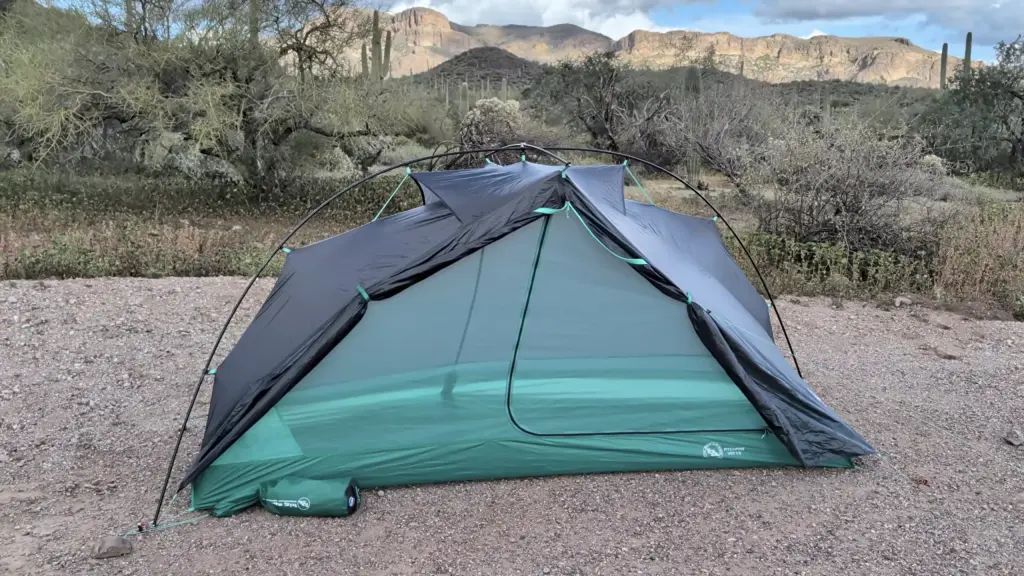
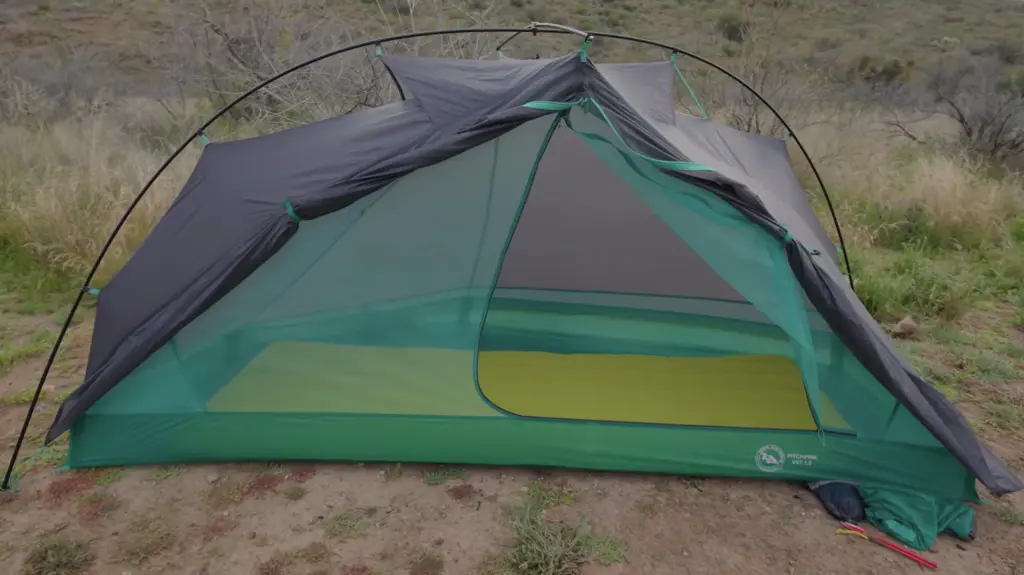
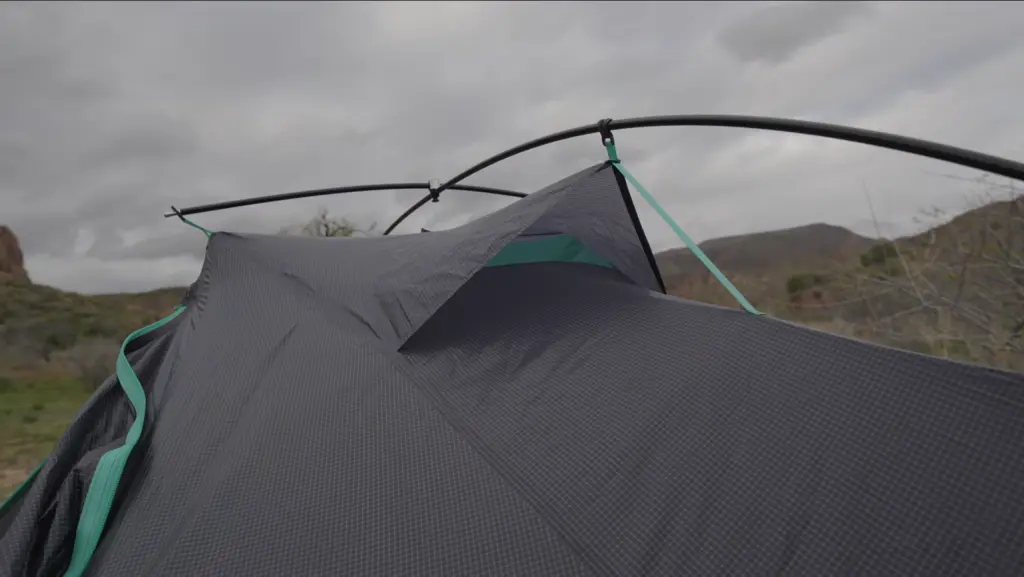
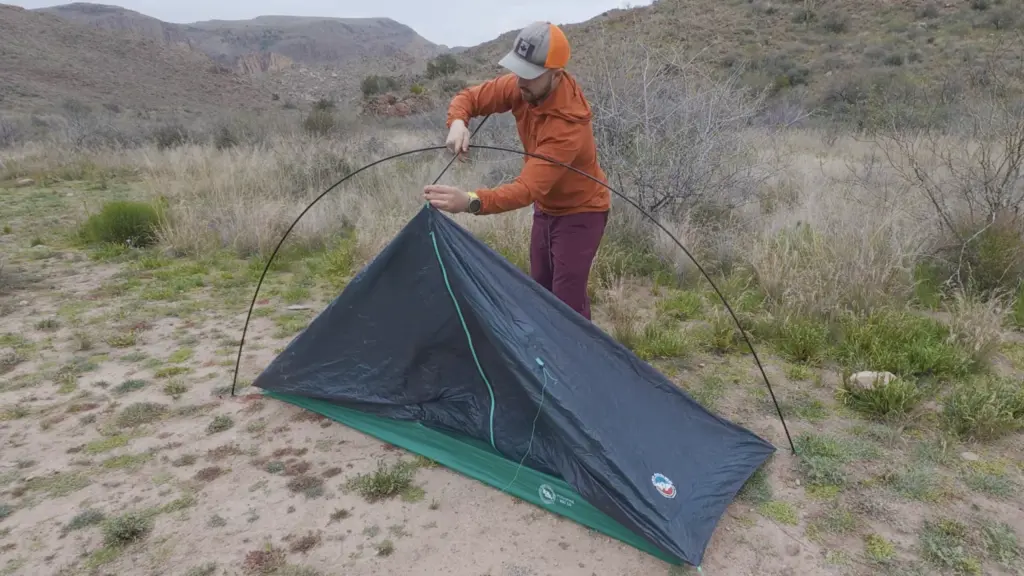
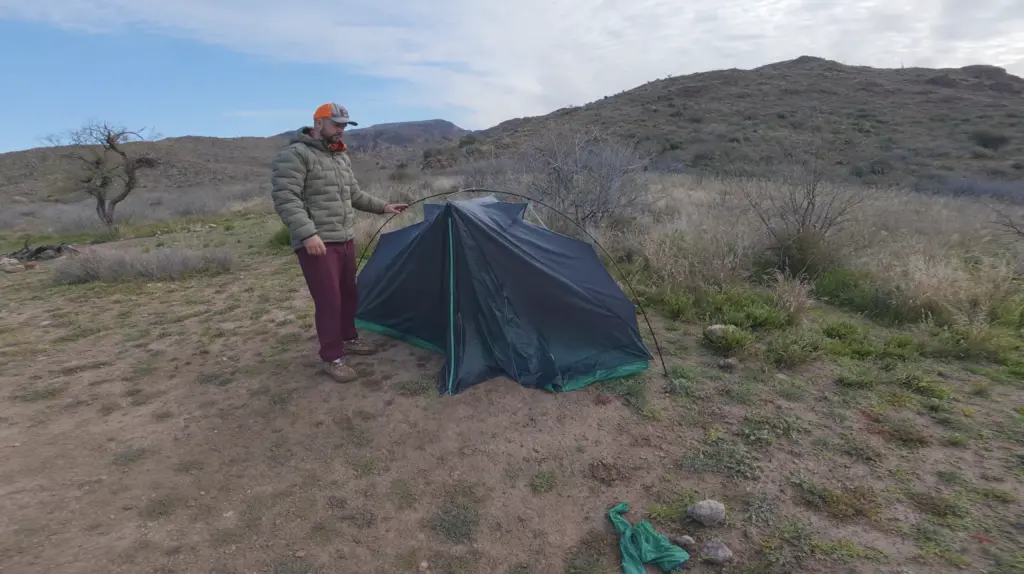
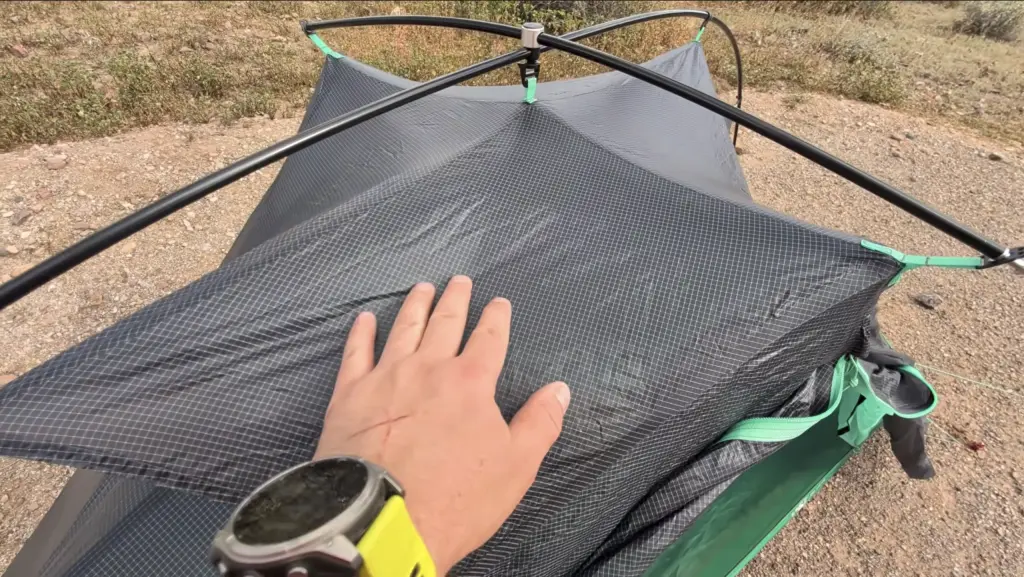
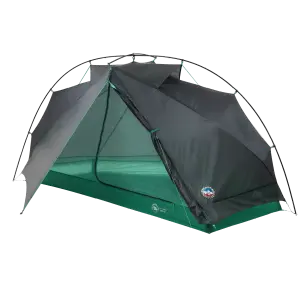
What we prioritized: Companies taking risks and trying new approaches to tent design.
Pros
- An ultralight tent that needs no trekking poles. One included pole arches over the tent to give it structure.
- Two large scoop-shaped vents in the ceiling, one on either side, look different from the vents on most other tents and catch wind to help reduce condensation inside.
- The polyester fly material does not sag or stretch when wet. Many “big brand” tent manufacturers have been hesitant to use polyester flies on ultralight tents and have stayed using nylon (which stretches and sags when wet).
Cons
- The Pitchpine has to be fully staked out to stand, or it falls over.
- The tent is not long enough for tall people. Anyone over 183 cm (72 in) using a thick sleeping pad and a lofty quilt are likely to touch the end walls.
Contenders: Tarptent ProTrek.
Alternative pick: The alternative pick is the Tarptent Protek. It uses a trekking pole at the head end and a short pole at the foot end for a unique tent shape that provides a lot of usable length. The dual door system allows you to use the tent in a more protected front entrance method or a more wide open side entry method.
Full Comparison
 Durston X-Dome 1+ |
 Zpacks Plex Solo Lite |
 Gossamer Gear DCF Whisper |
 3FUL Lanshan 1 Pro |
 Tarptent ArcDome 1+ |
 Big Agnes Pitchpine VST 1.5 |
|
|---|---|---|---|---|---|---|
| Award | Best Freestanding 1-Person Tent, Best All-Around 1-Person Tent | Best Ultralight 1-Person Tent | Best Super-Ultralight 1-Person Tent | Best Budget 1-Person Tent | Most Stormworthy 1-Person Tent | Most Innovative 1-Person Tent |
| Weight | 985 g (2.2 lb) | 337 g (11.9 oz) | 285 g (10.1 oz) | 671 g (1.5 lb) | 1.44 kg (3.2 lb) | 781 g (1.7 lb) |
| Overall Rating | A+ | A- | B | B+ | A- | B+ |
| Weight score | 6/10 | 8/10 | 9/10 | 7/10 | 3/10 | 6.5/10 |
| Ease of Use score | 9.5/10 | 7/10 | 4.5/10 | 6/10 | 6/10 | 8/10 |
| Stormworthiness score | 10/10 | 7.5/10 | 3/10 | 7/10 | 10/10 | 6/10 |
| Durability score | 9/10 | 8.5/10 | 8/10 | 9/10 | 9.5/10 | 8/10 |
| Livability score | 10/10 | 5/10 | 5/10 | 4.5/10 | 7/10 | 6/10 |
| Condensation score | 9/10 | 6/10 | 8/10 | 6/10 | 8/10 | 6/10 |