
Ultra Comfort Backpacking Gear List 2026
Every item has earned its place and nothing that gets in the way.

You have never seen a backpacking kit this comfortable. I have spent years chasing the balance between ultimate camp comfort and a pack that does not destroy your back on trail, and I think I have finally found it. This kit is lighter, more comfortable, and more affordable than any comfort-focused gear list I have put together before.
The Priorities
| 1 | Comfortable at camp. This goes beyond just having a good sleep system. |
| 2 | Comfortable on trail. The gear has to be light enough that you are not paying for camp comfort with a miserable hike in. |
| 3 | Easy to use. Fiddling with gear is its own kind of uncomfortable. |
| 4 | Not too expensive. Great gear is not worth much if it costs you everything to get it. |
TOTAL KIT WEIGHT 6.32 kg (13.9 lb)
The Big 3
Your pack, shelter, and sleep system are the bulk of both your pack weight and your comfort, and if these three are not dialed in, none of my other priorities really matter. I am not chasing the lightest possible setup here, either. This kit is lighter than most dedicated comfort gear, but I am deliberately trading a bit of extra weight for a pack that carries better and a sleep system that actually lets me toss and turn, because that tradeoff is the whole point of a comfort-first kit.
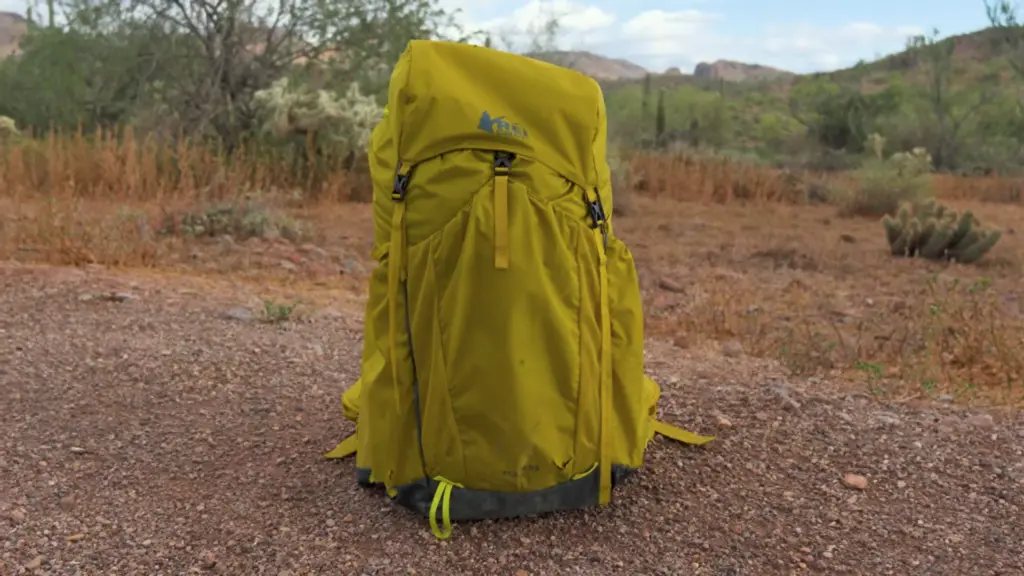
REI Flash 55 Pack
Advantages
- ✓Carries weight well.
- ✓An adjustable torso that locks in a real fit.
- ✓Padding through the frame, back, and hip belt.
- ✓Water bottle pockets sit right at the front of the side pockets, so grabbing a sip does not mean wrenching your shoulder into a contortion. One of the best pack features I have seen.
Compromises
- −Heavier than an ultralight-focused pack.
- −The nylon is not the fanciest.
- −It soaks up water and gets heavier when wet.
This pack is not ultralight, and I am fine with that. The extra volume and carrying capacity are exactly why it fits a comfort-first kit better than something lighter but less supportive. Paired with a pack liner to keep everything inside dry.
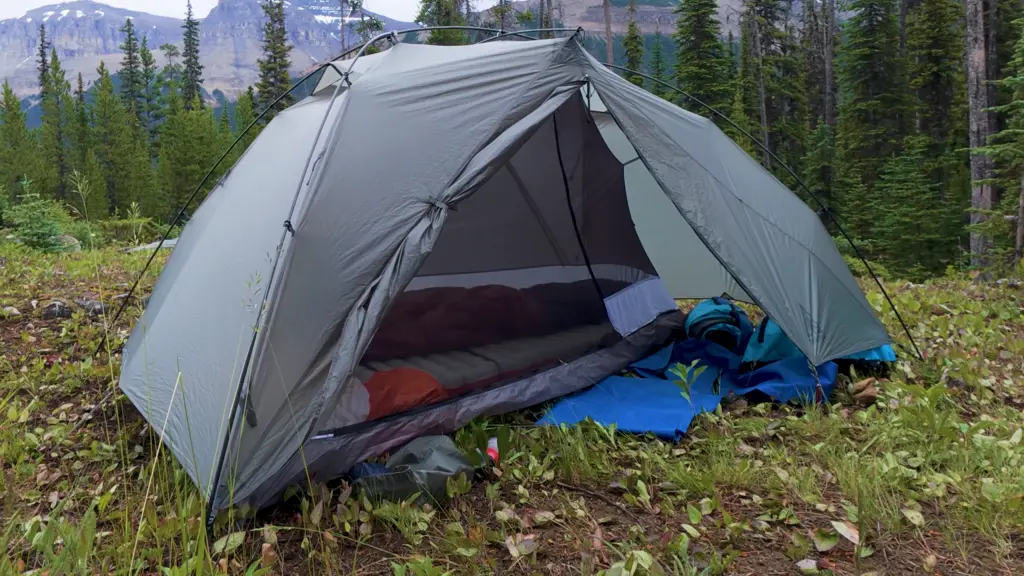
Durston X-Dome 1+ Tent
Advantages
- ✓A wide head end to spread your gear out.
- ✓A narrower foot end that still fits a 76.2 cm (30 in) pad.
- ✓Enough headroom that changing inside does not feel cramped.
- ✓Under 1,000 g (2.2 lb).
- ✓Tested in a wind tunnel at 100 km/h (62 mph) without flinching.
- ✓Sil-poly does not sag when wet.
- ✓Stuffs straight into its sack.
Compromises
- −Honestly I cannot find a compromise here. Maybe that it is a touch heavier than a trekking-pole Dyneema single-wall, but that is a fair trade for what it delivers.
This is the one item on the whole list I would call close to flawless. It does everything I want from a shelter without asking me to compromise on weight to get there.
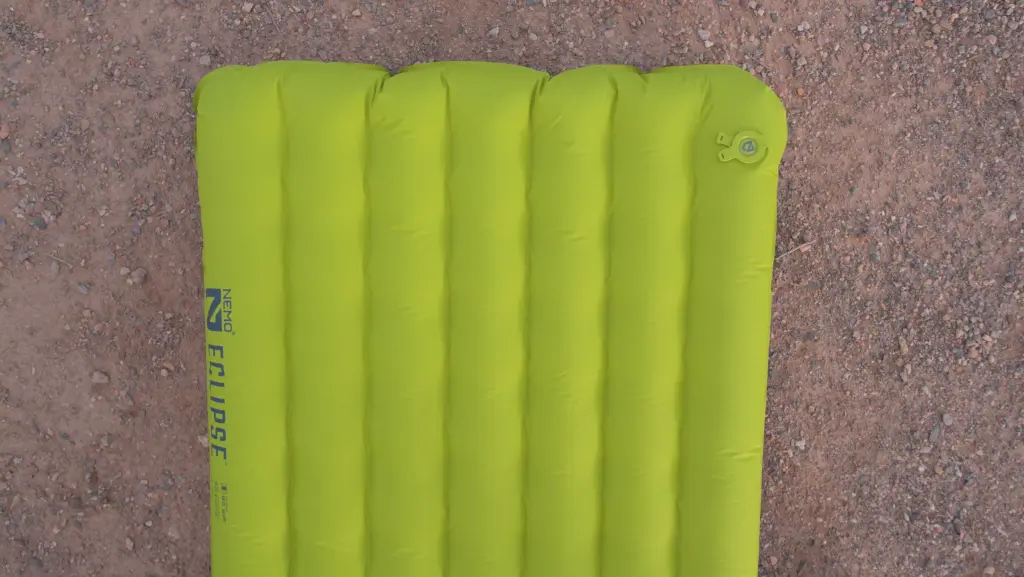
NEMO Eclipse All-Season Sleeping Pad
Advantages
- ✓The best comfort-to-weight ratio on the market.
- ✓10.2 cm (4 in) thick with a slightly dimpled vertical baffle system.
- ✓I have slept 12 hours straight on this pad without waking up once.
- ✓A good price relative to comparable pads, which is rare as pads keep getting more expensive.
Compromises
- −Warmth. The R-value reads 6.2, but it only sleeps warm to about -3 to -4°C (27 to 25°F) on decent ground. Do not push it as far as the number suggests.
The R-value number looks better on paper than it performs on cold ground, and I would rather tell you that upfront than have you trust the spec sheet and end up shivering. For a comfort-first kit, I will take that trade. 10.2 cm (4 in) of one of the plushest pads I have tested and a serious contender on price.
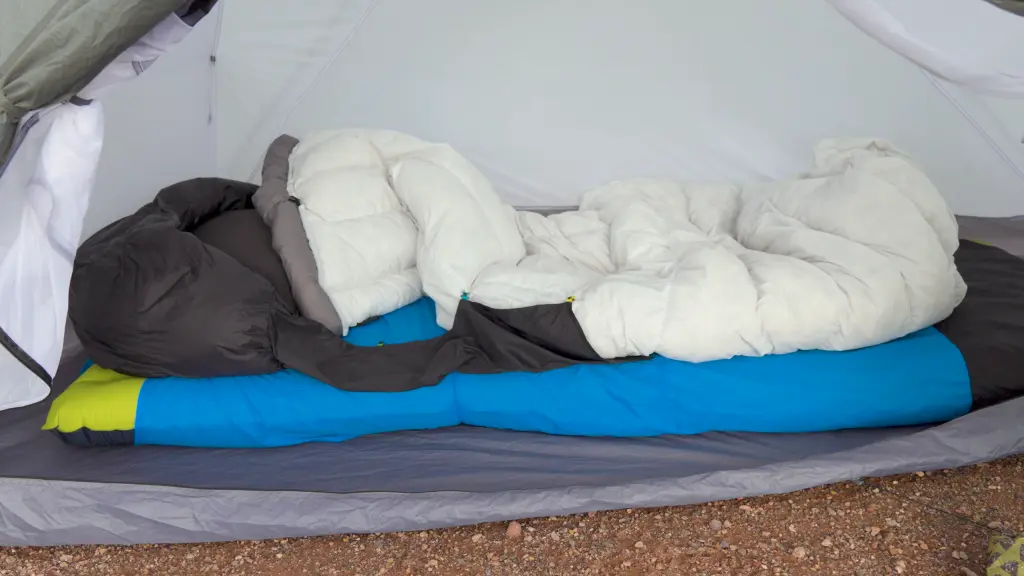
Zenbivy UL Quilt + Light Bed Sheet + Pillow
Advantages
- ✓A quilt system you can toss and turn under without getting tangled.
- ✓A sheet-mounted flap cinches it to the pad, locks it in place, and kills drafts.
- ✓A custom build I put together myself. The full-length Light Bed sheet, rather than Zenbivy's standard half-sheet, is paired with their Ultralight quilt rather than the heavier standard one.
Compromises
- −Not cheap.
- −There is a real learning curve clipping the sheet onto the pad and getting in and out of the clips, especially if you need to get up to pee.
I like the full-length sheet better than the half sheet, especially when I am not wearing much, and I like the weight savings of going with the ultralight quilt instead of the standard one. That is exactly why I mixed the two lines instead of buying either system as-is. When I first saw this setup I thought it looked a little gimmicky. I am a true believer now. The pillow clips into the same sheet, so it stays put all night, and it is one of the softest pillows I have used thanks to the down topper over the air bladder.
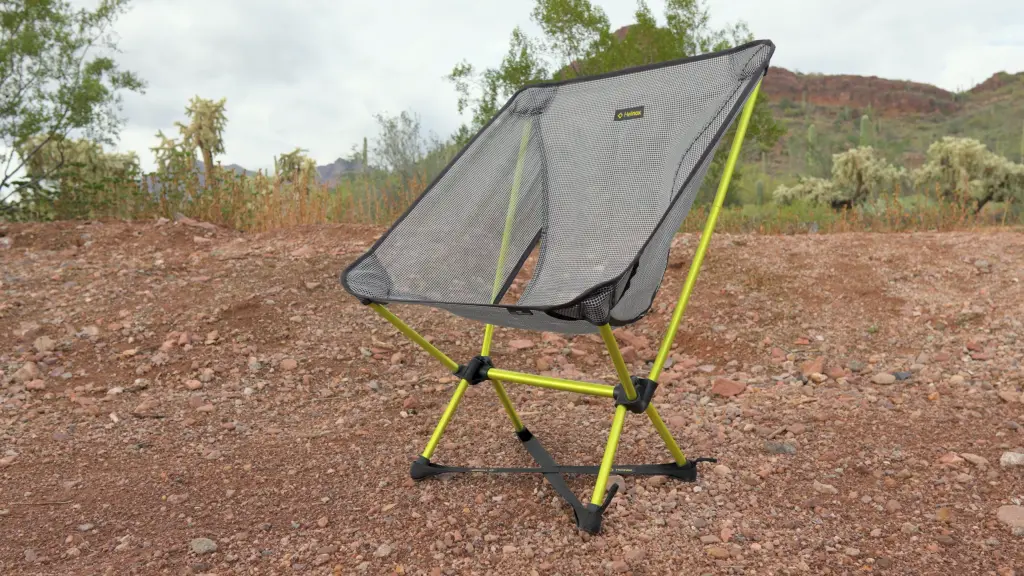
Helinox Chair Zero LT
Advantages
- ✓The new X-Strap keeps you from sinking into sand or loose gravel, a small addition that makes a big difference for just 19 g (0.7 oz) extra.
- ✓One of the lightest chairs on the market, and the weight is where the comfort argument for this chair lives.
- ✓Very comfortable for lounging.
Compromises
- −You cannot sit up straight in it easily.
- −It is pricey.
This is basically the same chair as the standard Chair Zero, just a slightly different material that is about 10 g (0.4 oz) lighter and apparently more durable. I have not run into any durability issues with either version, so that upgrade is more of a bonus than something I was chasing.
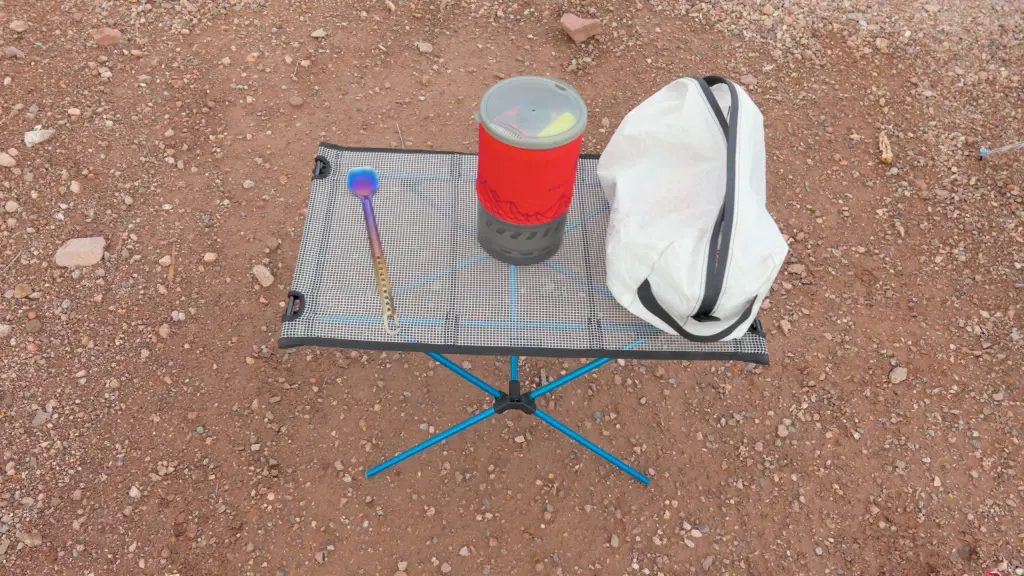
Helinox Table Zero LT
Advantages
- ✓Gets everything off the ground.
- ✓Stable enough that I have cooked directly on it without worrying about tipping hot water on myself.
- ✓Impressively lightweight and compact, light enough that it is hard to justify leaving behind now.
Compromises
- −No cup holders.
- −Not the biggest surface.
- −The price is quite high. I would not be surprised to see cheaper knock-offs show up given how popular this table has become.
This one actually surprised me in testing. It is so light and compact that it is hard to justify leaving it behind now.
Cook & Water
Eating well on trail is nice. Doing it efficiently and cleanly is even better. This is also the category where I break my own normal rules a bit. I have never been a fan of gravity filters on regular trips, since I usually only need to filter what I am about to drink, not sit around waiting for a big batch. But comfort trips are different. You are spending more time parked at camp, so a slower system that runs itself in the background stops being a hassle and starts being the more comfortable, hands-off choice.
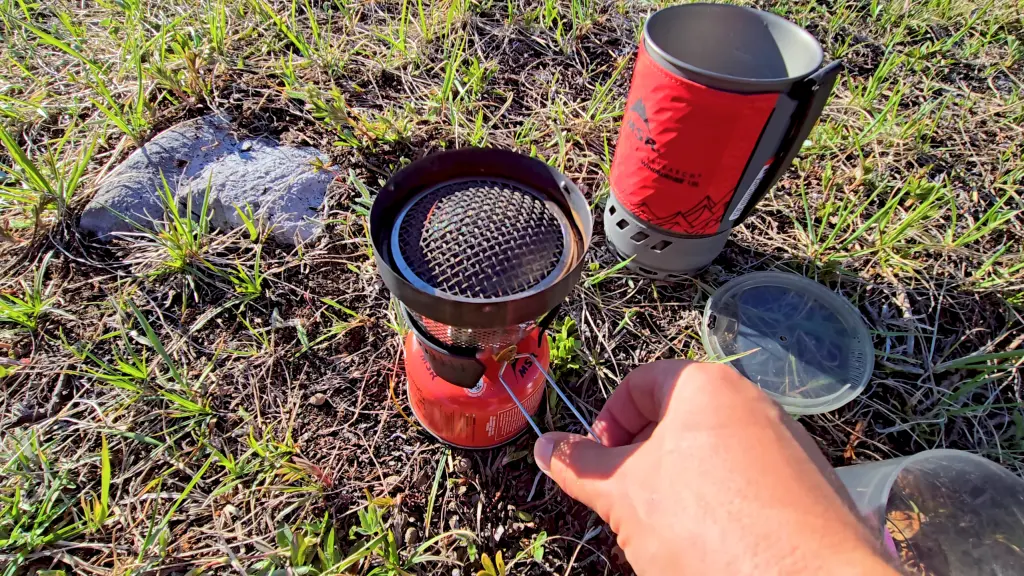
MSR WindBurner
Advantages
- ✓Quiet enough that you are not disturbing camp neighbours.
- ✓Remarkably efficient, since the radiant burner sips fuel.
- ✓Shrugs off wind thanks to the heat exchanger.
- ✓All-in-one, so you always know everything you need to boil water is already in the pot.
Compromises
- −Heavier than I would like. A Toaks pot and BRS stove combo does the job for much less and at half the weight, just without the same performance.
I wish these heat-exchanger, radiant-burner systems came in at half the weight. But the quiet operation and wind performance are worth the tradeoff for how I use this kit. You are paying weight for a system that just works, every time, without babysitting it.
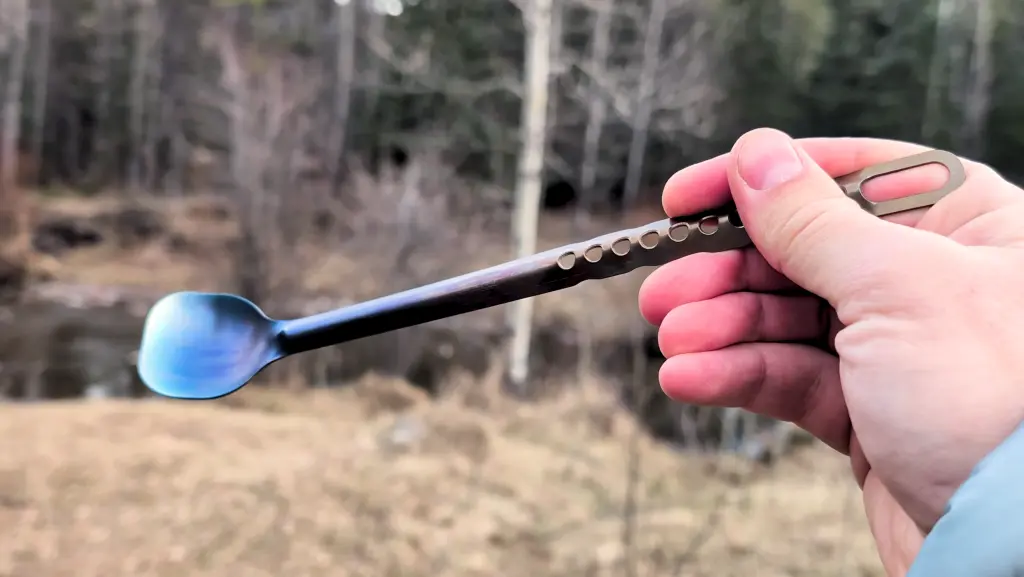
Brautigam Spoon
Advantages
- ✓Longer than a standard long-handled titanium spoon.
- ✓Grip holes that help whether you are digging into a food bag or wearing gloves.
It is a small piece of gear, but the extra length and the grip holes are the kind of detail you only notice once you are using a spoon that does not have them.
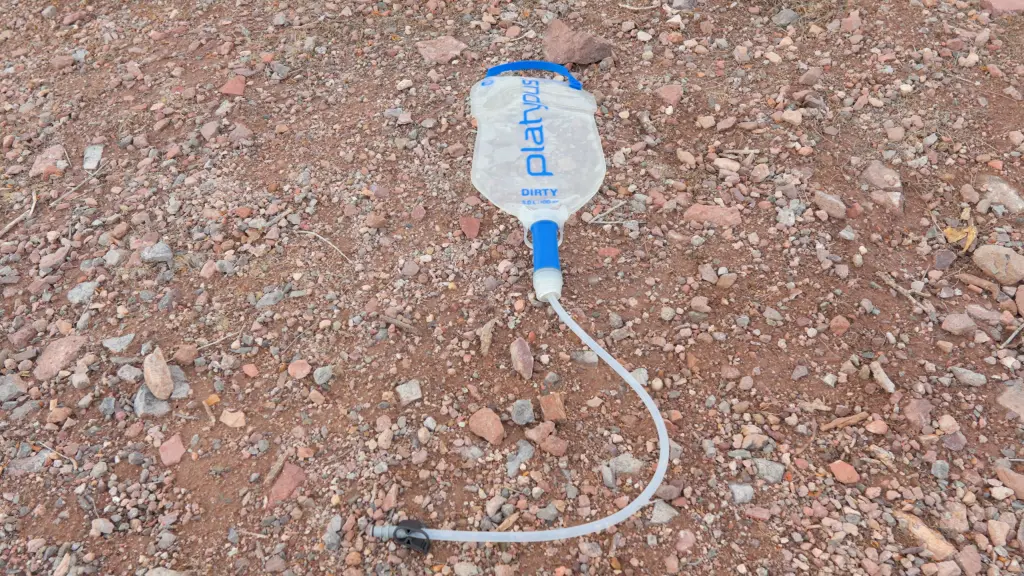
Platypus QuickDraw Gravity
Advantages
- ✓Fill the 3 L (101.4 fl oz) bladder, unclamp, and walk away. A liter filters in about two minutes with zero attention needed.
Compromises
- −Heavier than a dedicated squeeze filter.
- −More finicky than a dedicated squeeze filter.
- −Only worth it if you are actually parked at camp long enough to use it.
On a normal trip I would reach for a squeeze filter every time, since squeezing barely costs any time and it is simpler. But a comfort trip usually means more time at camp and a real need for a standing water supply, which is exactly where a gravity system earns its keep, especially if there is a group to service.
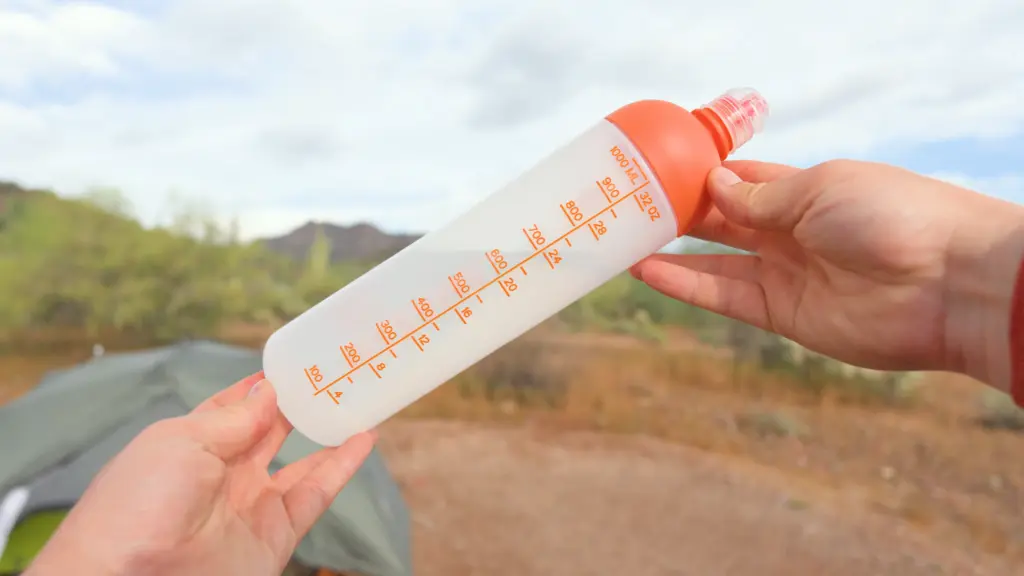
M!GO Water Bottle
Advantages
- ✓A dual-threaded lid with a wide opening for washing and pouring in powders.
- ✓A second thread up top for a flip cap that makes drinking far easier than a standard lid.
- ✓Dishwasher-safe.
- ✓Versatile.
- ✓Easier to use day to day than most reusable bottles.
It is not the newest bottle on the market, but it has held up as one of the best I have used. This is squarely an ease-of-use pick, not a weight one. The wide, dual-threaded opening makes pouring in powders and drinking on the move a lot less fiddly than most reusable bottles.
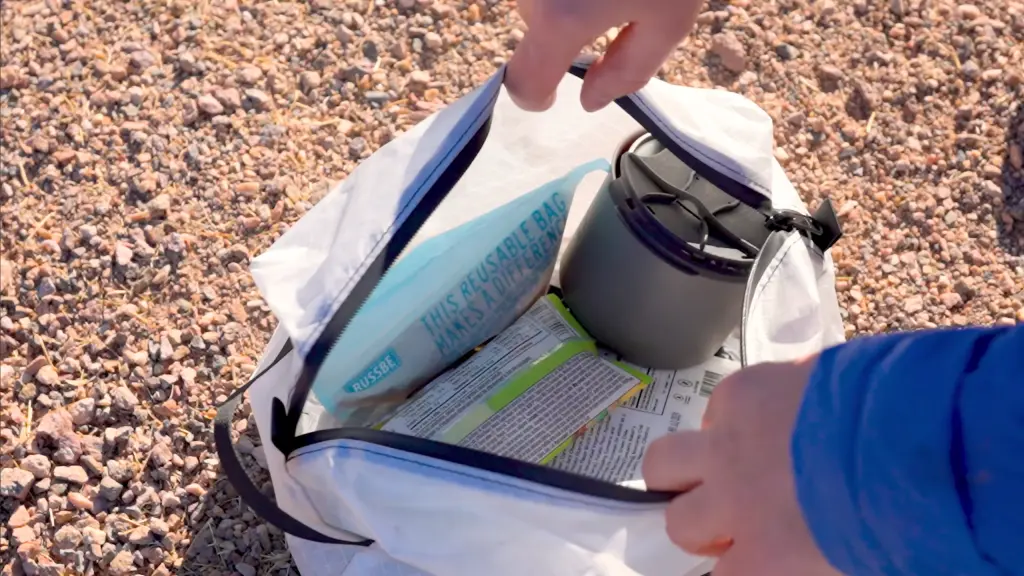
Mesa Cook Bag
Advantages
- ✓The shape fits neatly in the pack.
- ✓Opens flat, so you can actually see everything inside instead of digging around.
The bag earns its spot just by opening flat so you can actually see everything inside instead of digging around blind.
Electronics
Electronics generally just make life easier on trail and at camp, and a lot of that comes down to your phone doing its job, like navigation, podcasts, books, and music. Beyond that, I keep this category to a short list of pieces that earn their weight specifically for comfort, not just because they are cool gadgets. This is not my complete electronics kit either, just the handful that do the most for how comfortable a trip feels.
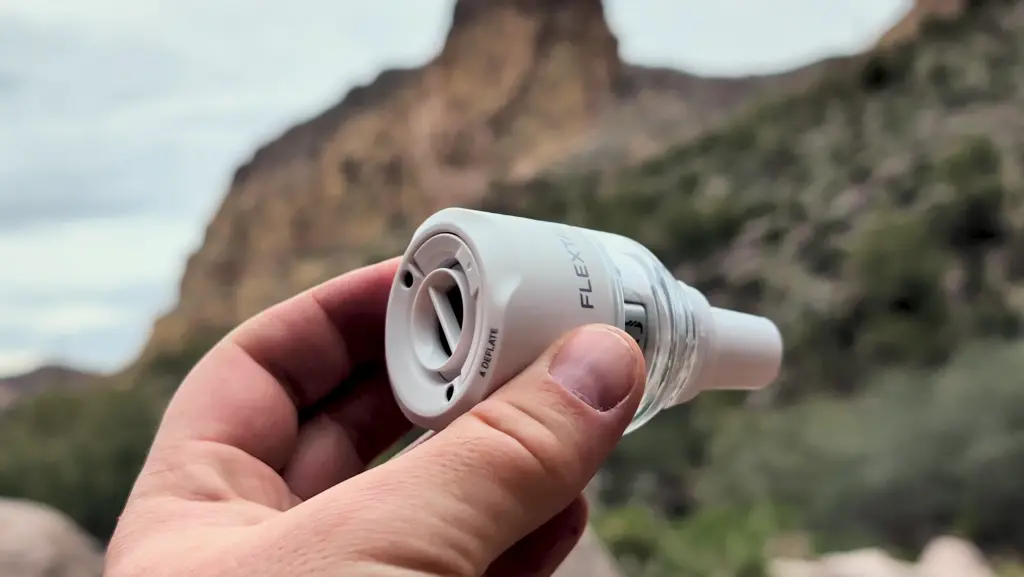
Flextail Tiny Pump 3X
Advantages
- ✓Inflates fast.
- ✓Runs quiet.
- ✓A built-in light for a little camp ambiance.
- ✓Half the weight of the Mega Pump 3 at similar power.
Compromises
- −The built-in battery adds weight compared to pumps that skip one.
I will set this on the table at camp just for the built-in light, a bit of ambiance without carrying a separate lantern, and it still inflates fast and stays quiet when it is doing its actual job.
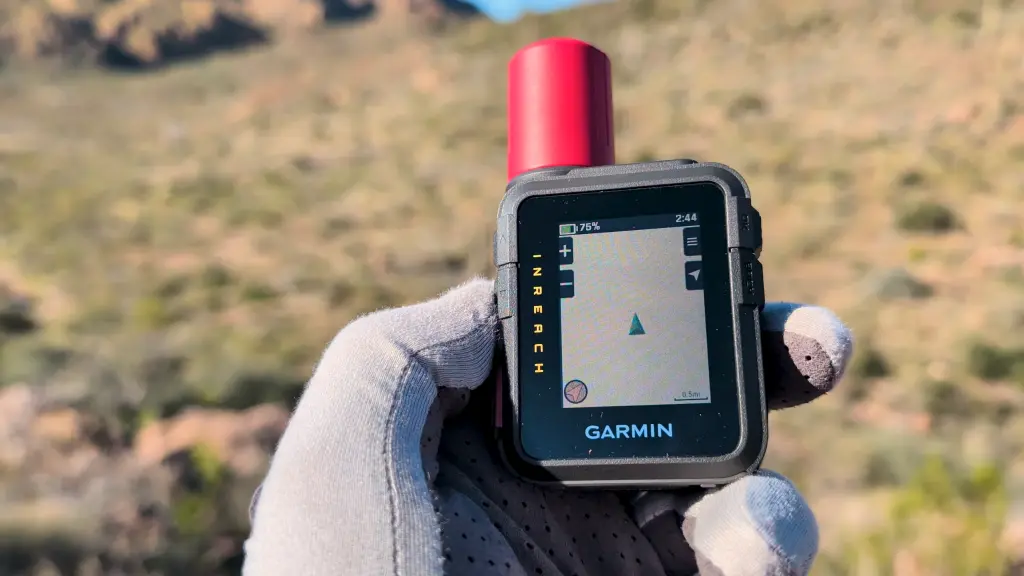
Garmin inReach Mini 3 Plus
Advantages
- ✓Peace of mind.
- ✓The ability to message home and get photos back.
- ✓Voice-to-text dictation works straight to emergency services if you are ever dealing with an injury.
Compromises
- −Expensive.
- −Needs a subscription.
- −Worth it if you are out often, but a harder sell for occasional trips.
I actually had a rough moment on a trip where I had not brought this. I expected to satellite-message from my phone instead, it did not work, and I really felt the absence of being able to get a picture of my daughter while I was away. That is the whole case for this device for me. It is not really about the emergency scenario, it is about staying connected to home on a normal night.
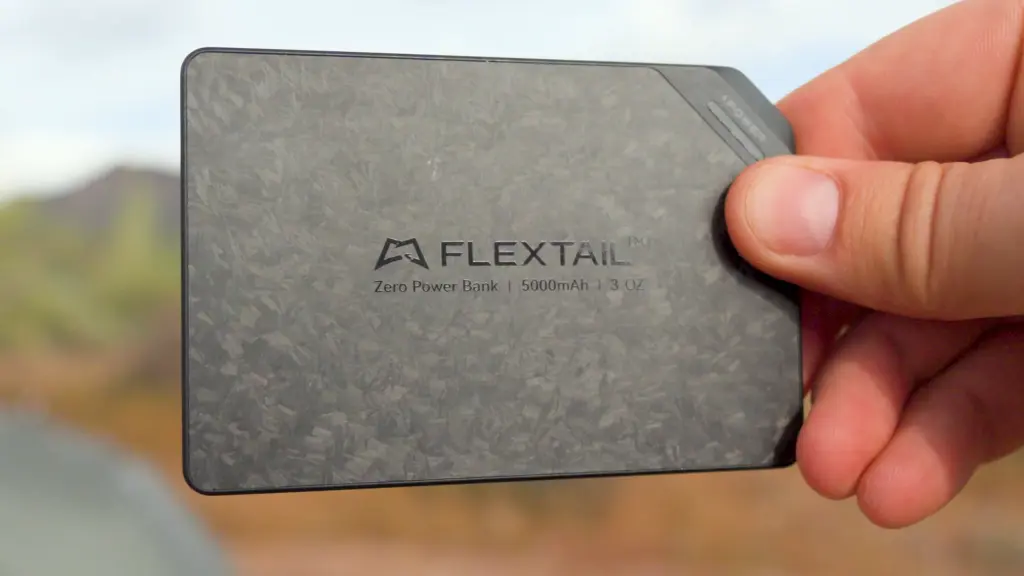
Flextail Zero Power
Advantages
- ✓Two USB-C ports.
- ✓Fast charging.
- ✓A simple light readout for remaining power.
- ✓Does the job without costing much.
An excellent power bank. Reliable, minimalist, fast charging, essential.

Nitecore NU20 Classic
Advantages
- ✓Lightweight.
- ✓Inexpensive.
- ✓Simple and dependable.
A classic and a go-to, the Nitecore does its job well at a great price.
Hygiene
I think hygiene is an underrated comfort category. It is hard to feel good about anything else at camp if you stink, your teeth feel fuzzy, and everything below the belt itches. None of these items are heavy or expensive on their own, but together they solve the small, unglamorous problems that quietly wreck a trip if you ignore them.
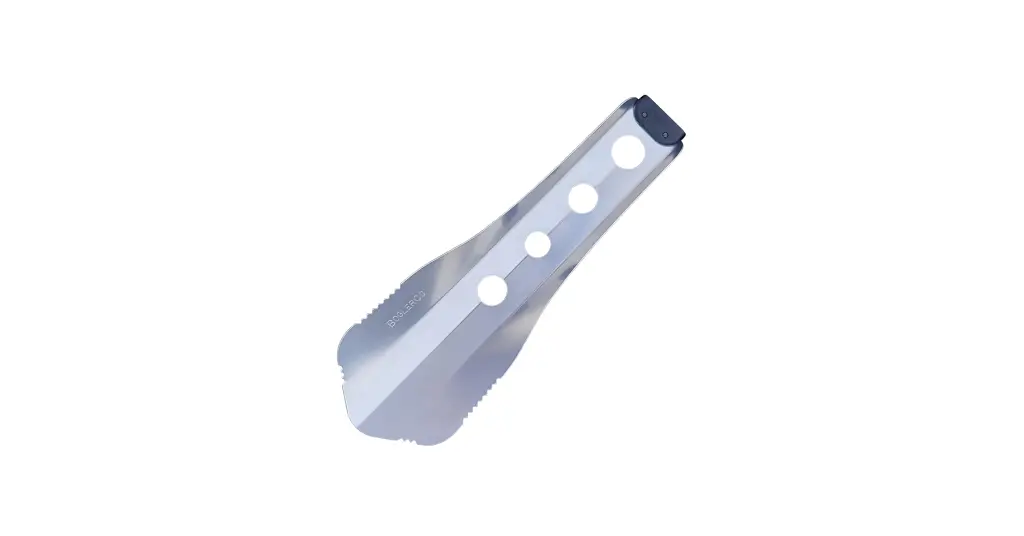
Bogler Trowel
Advantages
- ✓Digs a clean cathole, unlike trowels that just dig in and leave marks.
- ✓Feels good in the hand.
I have used trowels before that just scrape a groove and call it done. A blade that actually excavates a proper hole instead of leaving marks behind is a bigger upgrade than a trowel has any right to be. Not glamorous, but a clean cathole is exactly the kind of small comfort you do not notice until you are missing it.
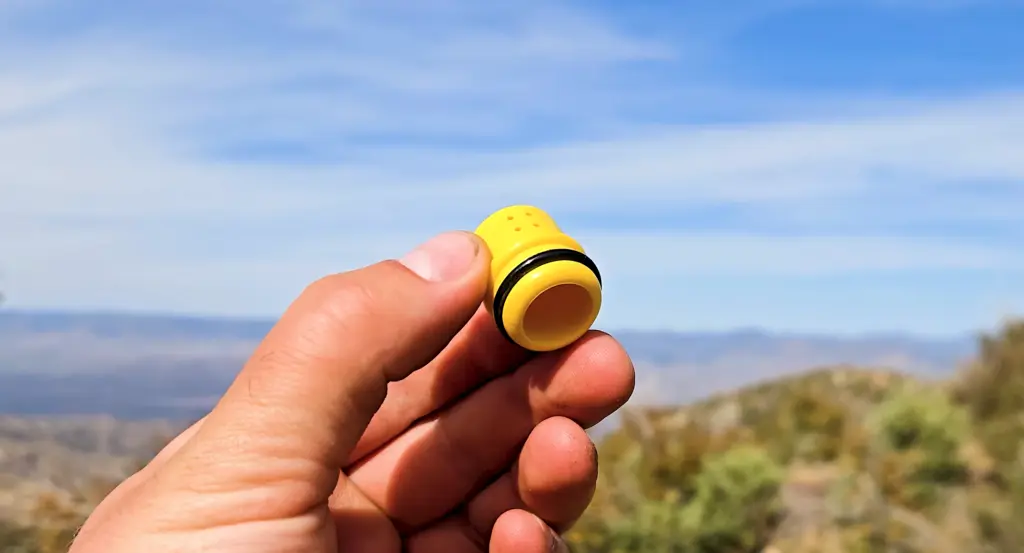
Holey Hiker Bidet
Advantages
- ✓Attaches straight to your water bottle.
- ✓Paired with soap, it is the single best upgrade against stink, chafing, and itch.
I use this with a bit of soap and one hand to actually get clean, not just rinse. It sounds like a small thing, but it cuts stink and chafing more than anything else on this list. Once you switch to a bidet, toilet paper stops making sense.
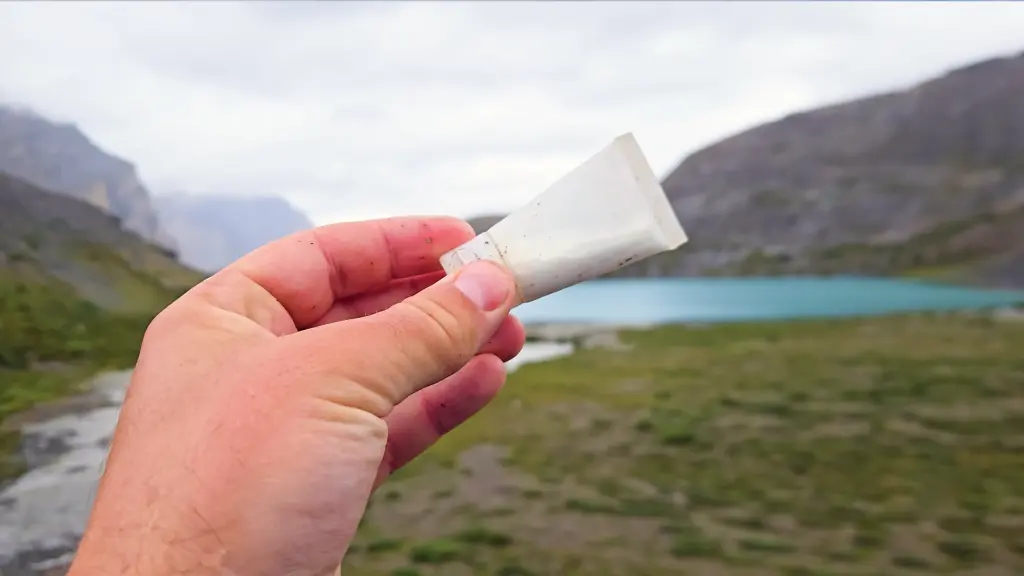
Pika Summit Suds
Advantages
- ✓Powdered, so it is light.
- ✓Easy to portion.
- ✓Does not turn into a mess if it spills the way liquid soap does.
- ✓Does double duty for hand-washing too.
One product instead of two is worth more than it sounds like on paper. This is what I wash up with and what I wash my hands with afterward, so there is one less thing to dig for in my bag. Powdered means a blowout in your pack is a mess you brush off, not one you are mopping up for the rest of the trip.
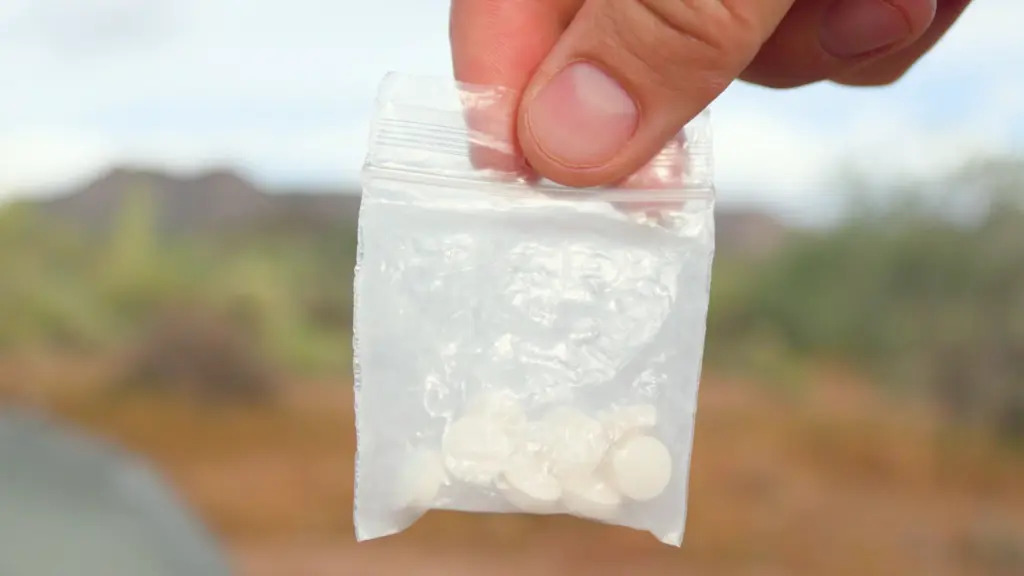
Toothpaste Tabs
Advantages
- ✓Easy to portion.
- ✓Lightweight.
- ✓No tube to pack, a real space and weight savings for something you use twice a day.
Compromises
- −Do not feel quite as nice in the mouth as regular toothpaste, but the trade is worth it for the pack weight.
These do not feel quite as nice as squeezing from a regular tube, and I will be honest about that trade. But you are not stuck guessing how much tube you will actually use on a trip, or babysitting a half-empty one. That makes this an easy give-up for what you get back in your pack.
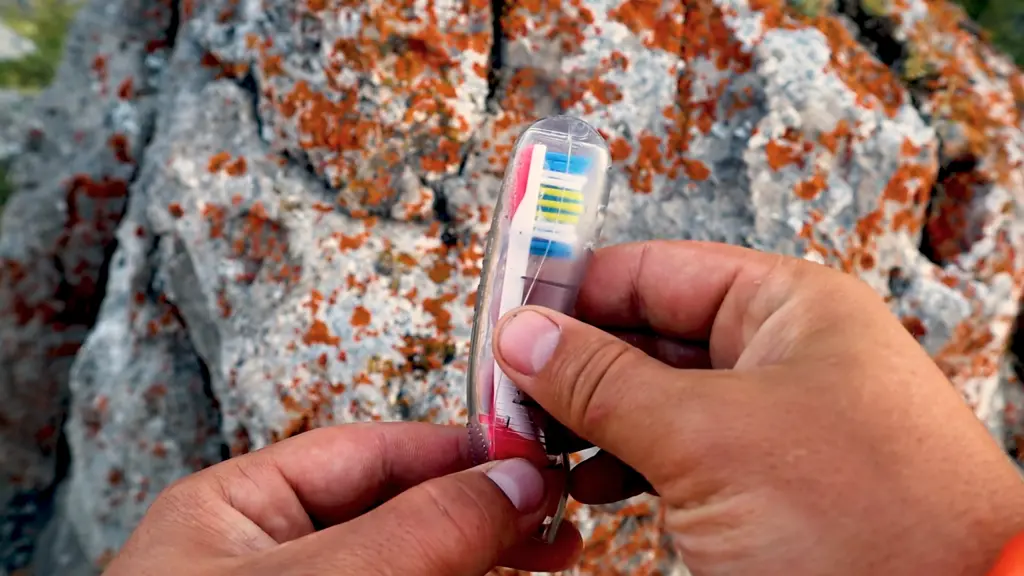
Folding Toothbrush
Advantages
- ✓A full-length handle when unfolded means you are not touching your mouth with trail-dirty hands to get a real brush in.
Having a full-length handle that folds away makes the brush functional to use and comfortable to stow away.
Clothing
Clothing's biggest job is warmth, but it is also just about feeling human at camp, especially after a sweaty or rainy day on trail. I do not think every piece of clothing needs a rotation or a rewash system (that is overkill), but a couple of specific items are worth the extra thought because of what they touch or how much they are doing for you relative to their weight.
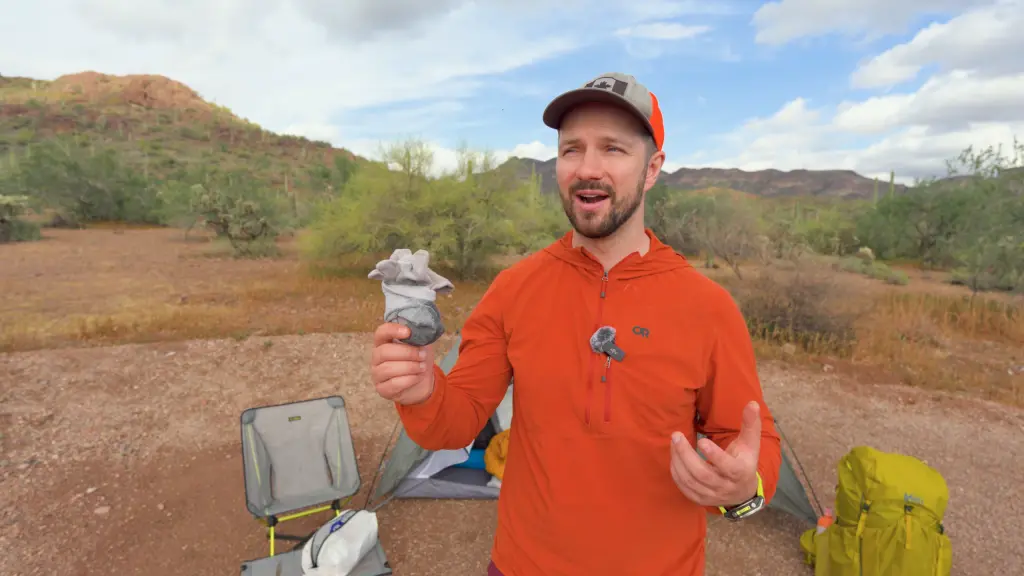
Extra Socks & Underwear
Advantages
- ✓On longer trips, wash yesterday’s pair each morning and hang them off your pack to dry, cycling between two sets.
I do not bother doing this with every piece of clothing, but socks and underwear are touching the grossest parts of you on trail, so keeping a clean rotation going there specifically makes a real difference to how put-together you feel by day three or four.
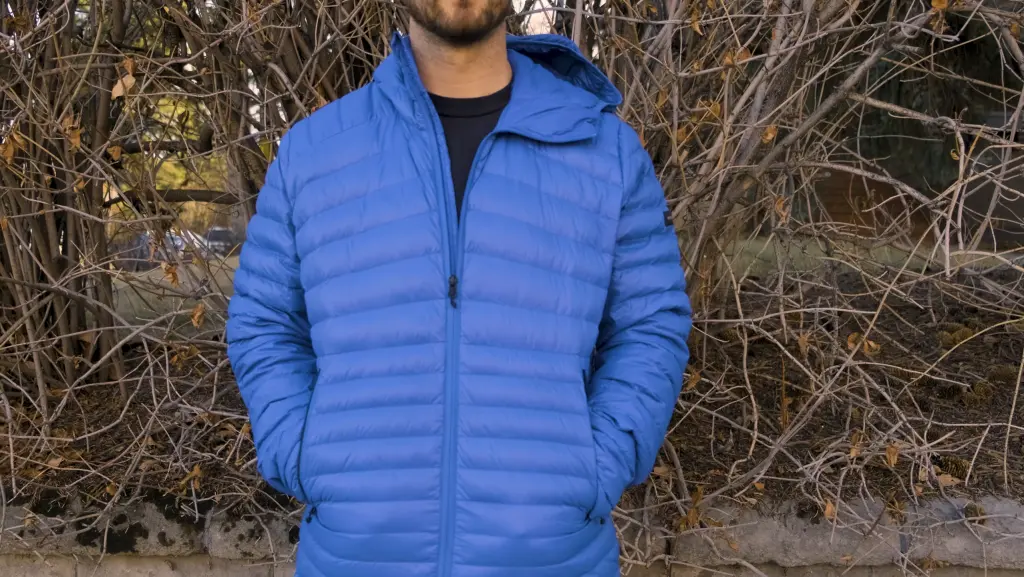
Down Jacket
Advantages
- ✓Your primary warmth at camp, even above freezing.
- ✓Any decent-weight down jacket does the job, so you do not need to spend a fortune.
I like the Decathlon MT100 a lot, and honestly any reasonable down jacket will do here. This is not a place I would obsess over gram-counting or spend a ton extra.
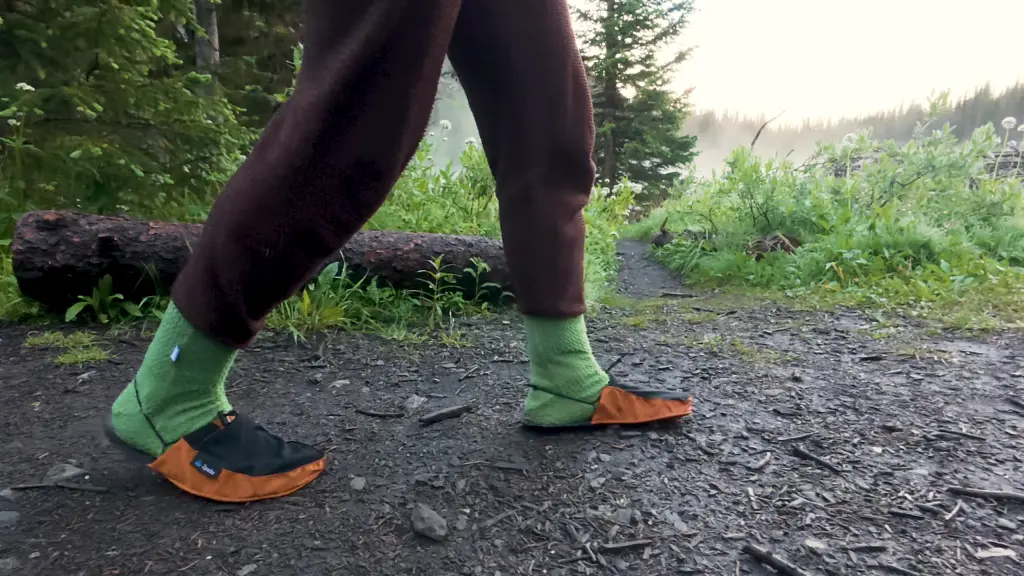
Zpacks Camp Shoes
Advantages
- ✓Lets your feet air out.
- ✓Makes middle-of-the-night pee breaks painless instead of forcing you back into cold, wet trail shoes.
- ✓Stable enough for light stream crossings too.
Compromises
- −Not the most durable. They are an ultralight item and will wear out with heavy use.
I forgot these on a recent trip and regretted it. Having to jam my feet back into wet, stinky trail shoes for a 2 a.m. bathroom trip is exactly the kind of small discomfort this whole kit is built to avoid.
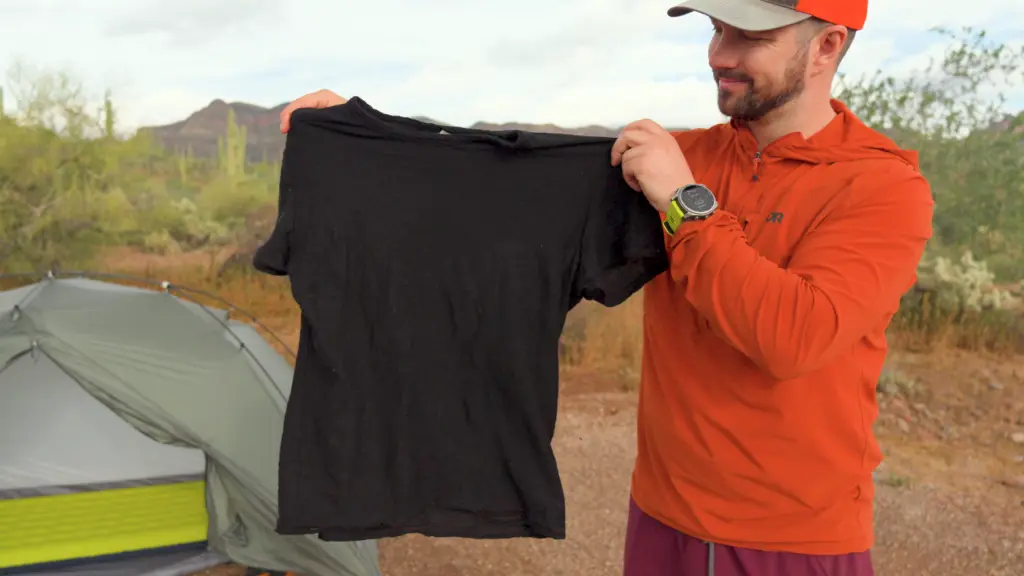
Alpaca Base Tee
Advantages
- ✓Does not hold odour the way synthetic fabrics do, even across a long trip.
- ✓Soft, especially after the first wash.
- ✓No itch at all.
Compromises
- −Expensive.
- −Not the most durable fabric at this weight.
Made by Arms of Andes, at 110 gsm (3.2 oz/yd²). This is my go-to sleep shirt specifically because it will not start stinking by night three the way a synthetic tee will.
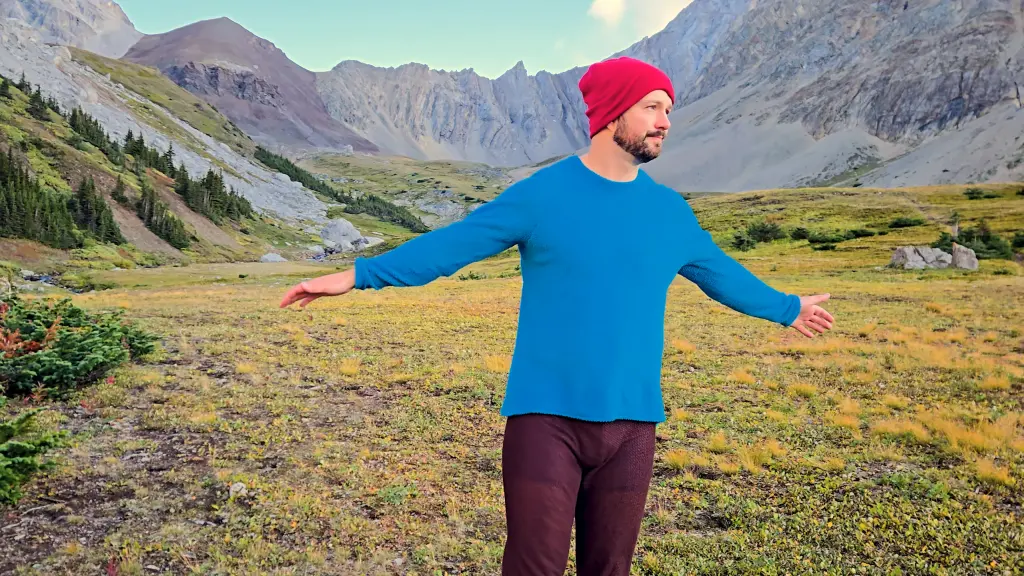
Alpha Direct Fleece (sweater, pants, socks)
Advantages
- ✓An amazing warmth-to-weight ratio.
- ✓Soft enough to sleep in comfortably.
- ✓Breathable enough to hike in too, if you run cold.
Compromises
- −Pricey.
- −A little hard to find.
- −Not the most durable fabric on paper.
My own sweater is five years old with hundreds of nights on it and still going strong, seams intact, no real deterioration. If you take care of it, the durability concern is more theoretical than real.
The Bottom Line
There is no single right comfort kit. This is mine, built around my own four priorities, and yours might land in a different place depending on what you are willing to trade for what. But if you are chasing the same thing I am, a setup that treats camp comfort as seriously as trail performance, everything on this list has earned its spot for a real reason. Start with the Big 3, get that dialed in, and build out from there.