
Exped Ultra 10R
Does one of the highest ASTM-tested R-values translate to real world warmth?
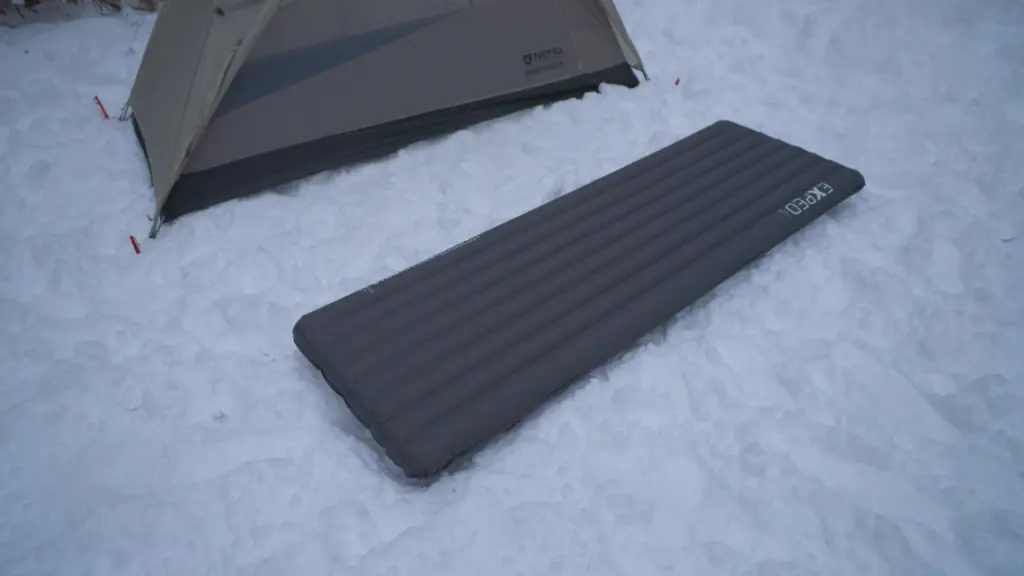
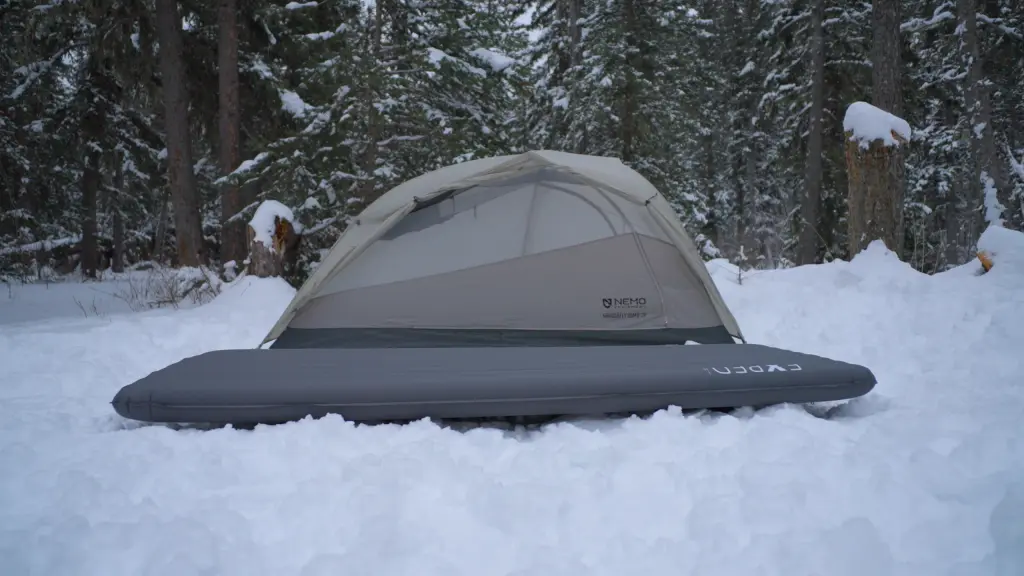
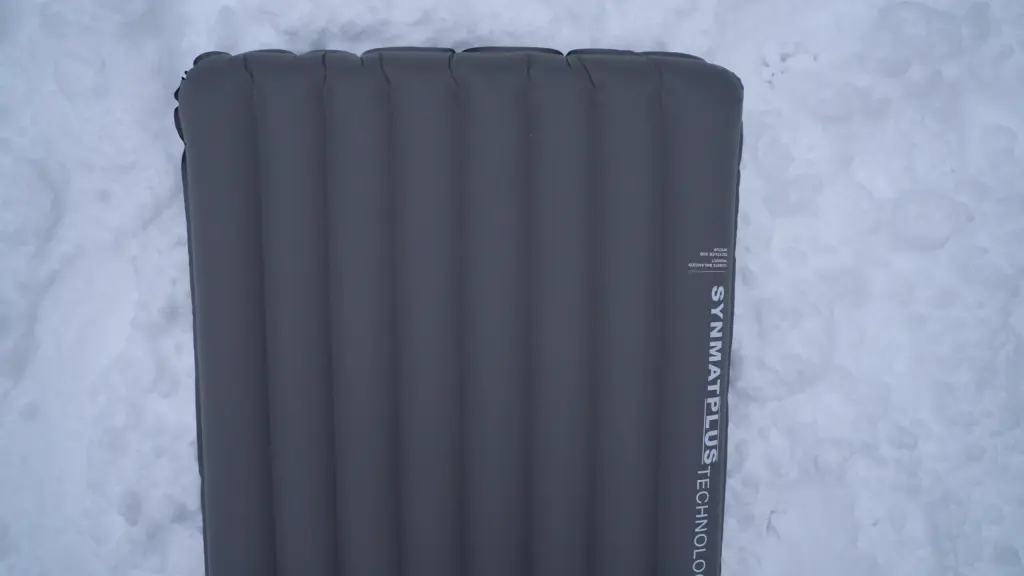
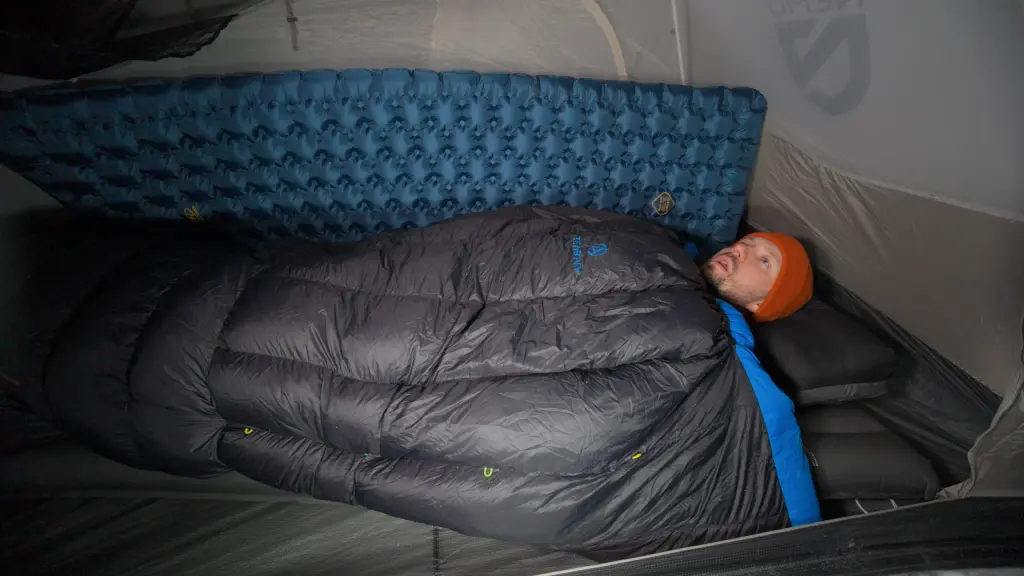
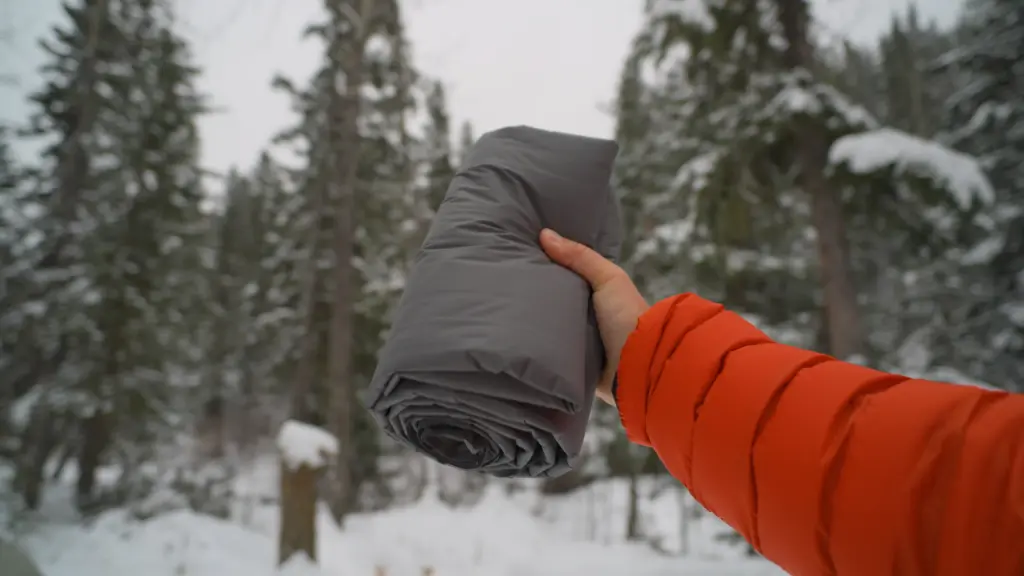
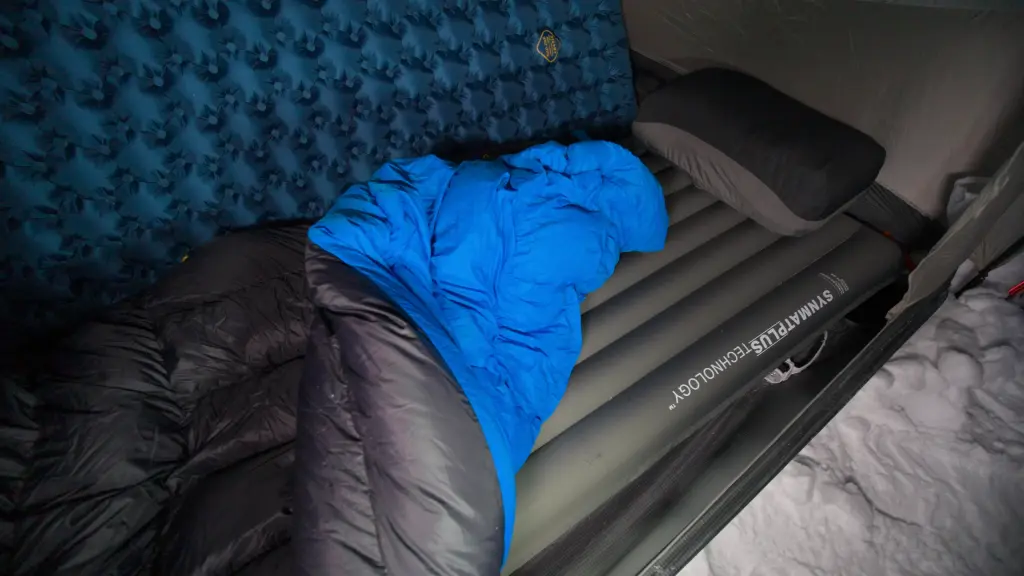
The Exped Ultra 10R has one of the highest ASTM-tested R-values (10.2) I have seen with a pad under 1,000 g (2.2 lb). Exped claims that the Ultra 10R is designed to provide maximum insulation and a compact size for adventures in the coldest temperatures. The pad uses a layer of synthetic microfibre filling attached to the top and bottom of the pad and then reflective foil material attached to the synthetic fill; this combination has the potential to reduce radiative and convective heat loss effectively while maintaining a low weight and compact size. I have tested the Ultra 10R during winter conditions in the Canadian Rockies and found it to be warm down to -18°C (0°F) on snow; this is not the lower limit of the pad and I am excited to test it at even lower temperatures to see if it is warmer than the current warmest pad, the Therm-a-Rest Xtherm NXT.
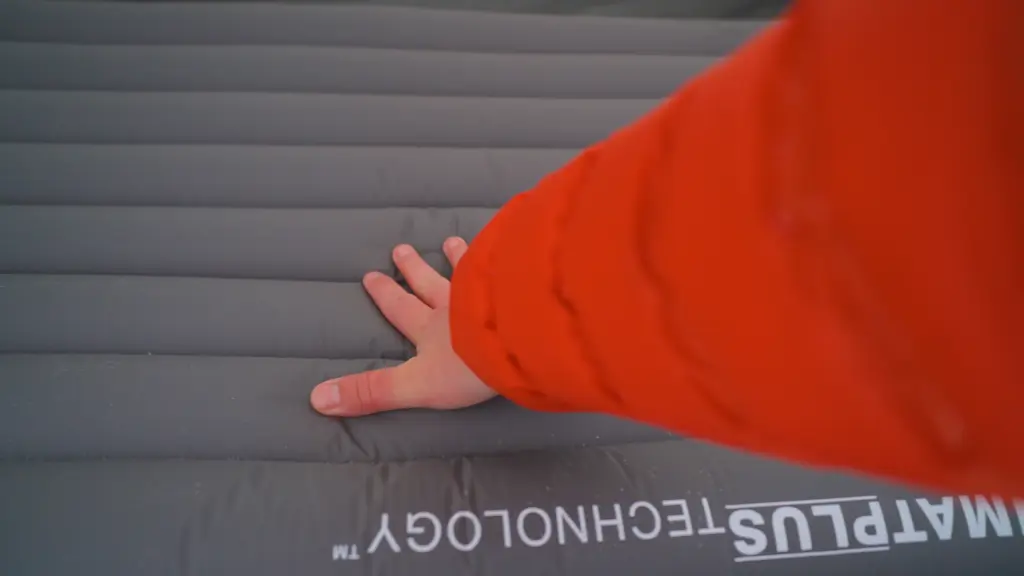
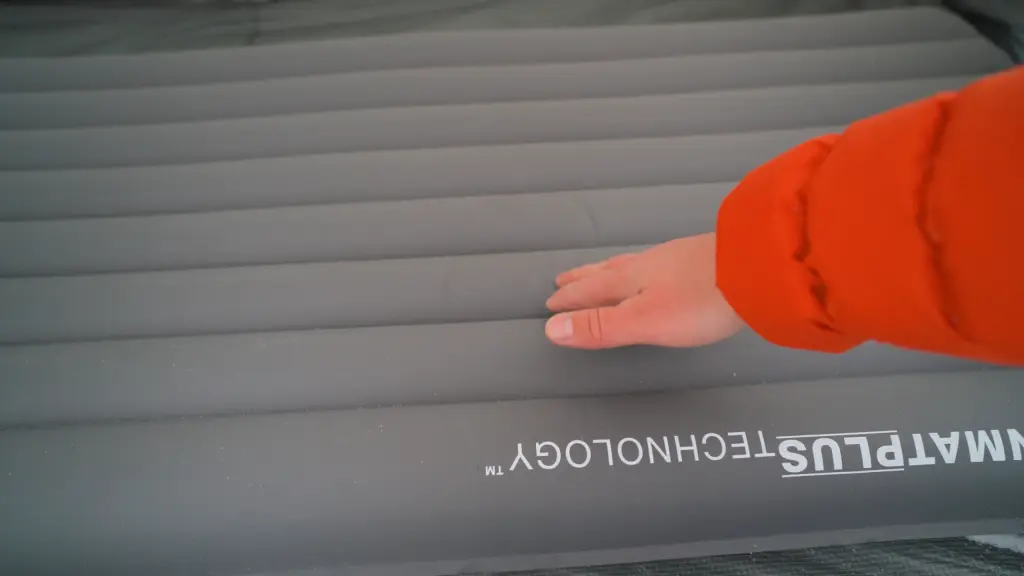
The soft and slightly stretchy 20 denier polyester shell material, vertical baffles, and larger outer tubes make the Exped Ultra 10R the most comfortable winter pad I have used. The pad provides both good pressure relief and stability. While the shell material is comfortable, I do wish Exped used a thicker and non-stretchy material for the bottom of the pad for added durability.
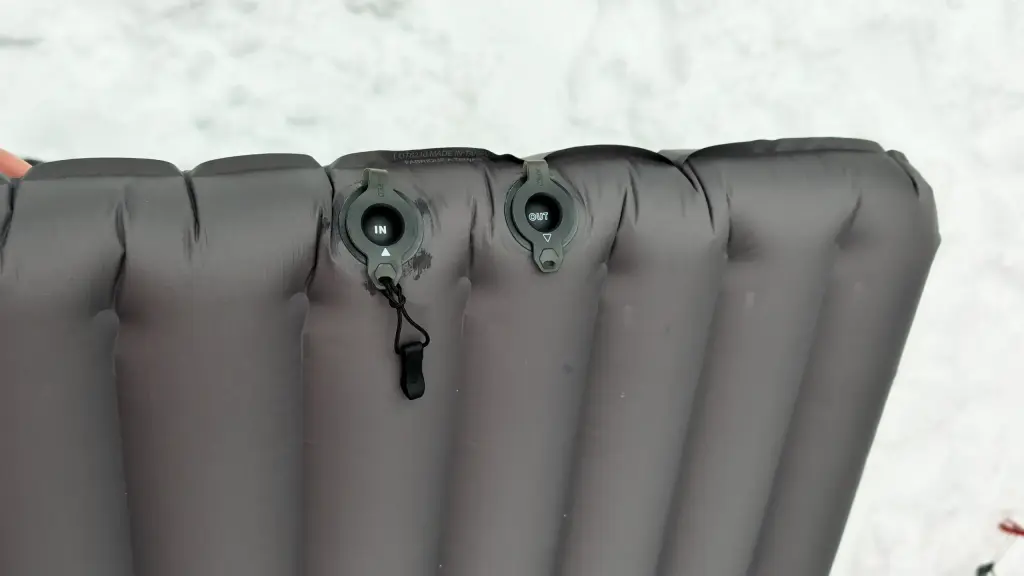
The Ultra 10R has two valves located on the bottom of the pad – one for inflation and one for deflation. I do not like valves being on the bottom of pads because it makes it difficult to add air to the pad or let air out when the pad is fully set up in a tent. Being able to add air easily is particularly important because you often need to add air to a pad as the temperature drops and the air inside the pad cools (leading to less pad pressure). I also like having the ability to let air out of the pad easily so that I can adjust the firmness of the pad, which can lead to better pressure relief.
Overall, the Exped Ultra 10R is a very promising winter pad, especially for people prioritizing warmth and comfort.
Pros and Cons
Pros
- Has been warm down to -18°C (0°F) on snow.
- Most comfortable pad I have used in winter conditions.
Cons
- Valves on the bottom of the pad make adding air or deflating the pad difficult once the pad is set up in the tent.
- Heavy at 813 g (1.8 lb).
Open Questions
What the full review still needs to answer.
- What is the temperature limit for the pad?
- Is the warmth and comfort worth the weight?
- Would I rely on the pad in extreme conditions?
- How important are valves on top of the pad for winter?
Available Sizes
Scroll sideways to see every size.
More Sleeping Pad Reviews
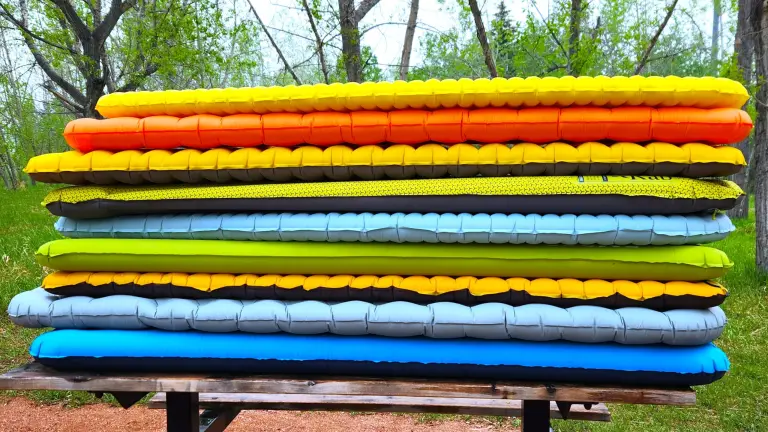
Best Backpacking Sleeping Pads – 2026 Awards
Seven categories. Seven winners.

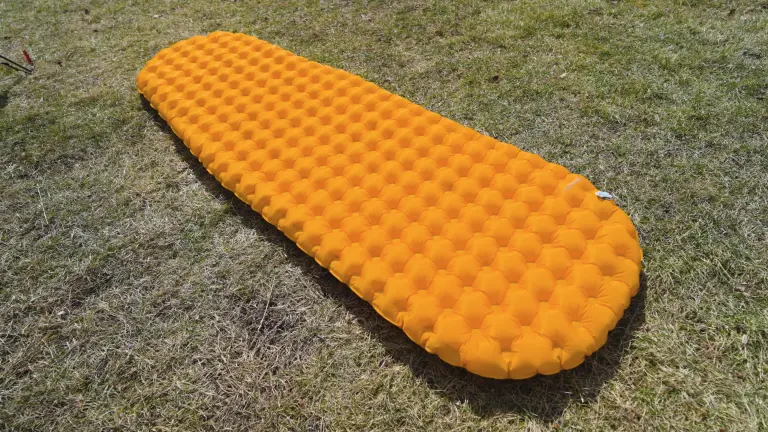
Bestway Ridgelite
Best budget pad on the market: warm, comfortable, and easy to use.
Bestway describes the Ridgelite as warm, comfortable, and light. During over 12 nights of testing, I have been warm below freezing and had comfortable sleeps on…
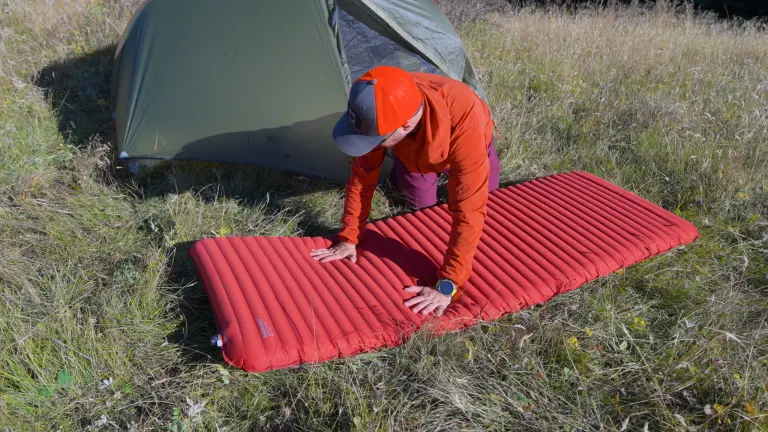
Therm-a-Rest Trailmix
Stretchy comfort, warmth, and durability at an affordable price?
The Therm-a-Rest Trailmix has been designed to deliver an approachable balance of comfort, warmth, durability, and value. It has good specs with an ASTM-tested R-value of…