
Best Backpacking Sleeping Pads – 2026 Awards
Seven categories. Seven winners.
This might be the most exciting post of the year to put together. The team at GearPriority has spent the last year field-testing every major contender for sleeping pads, from winter beasts that handle -40°C (-40°F) to ultralight summer mats that weigh less than anything that came before them. These are the 2026 Sleeping Pad Awards: seven categories, from the most comfortable pad to the best all-rounder to the best budget option.
The Awards
| Award | Winner | Grade | Review | Buy |
|---|---|---|---|---|
| Warmest Pad | Therm-a-Rest NeoAir XTherm NXT Therm-a-Rest NeoAir XTherm NXT | B+ | Full review → | Check price |
| Best Budget Pad | Bestway Ridgelite Bestway Ridgelite | A- | Full review → | Check price |
| Best Ultralight Pad | Exped Ultra 6.5R Exped Ultra 6.5R | A | Full review → | Check price |
| Best Super-Ultralight Pad | NEMO Tensor Elite NEMO Tensor Elite | B+ | Full review → | Check price |
| Most Comfortable Pad | Exped MegaMat Ultra Exped MegaMat Ultra | A- | Full review → | Check price |
| Best All-Around Pad | NEMO Eclipse All-Season NEMO Eclipse All-Season | A | Full review → | Check price |
| Most Innovative Pad | Exped Ultra 6.5R Exped Ultra 6.5R | A | Full review → | Check price |
Therm-a-Rest NeoAir XTherm NXT

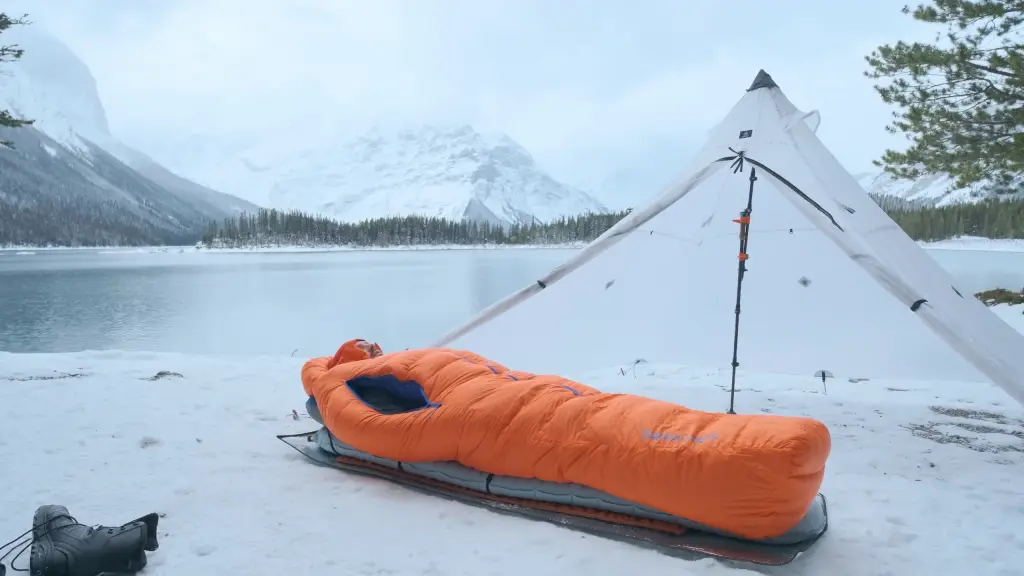
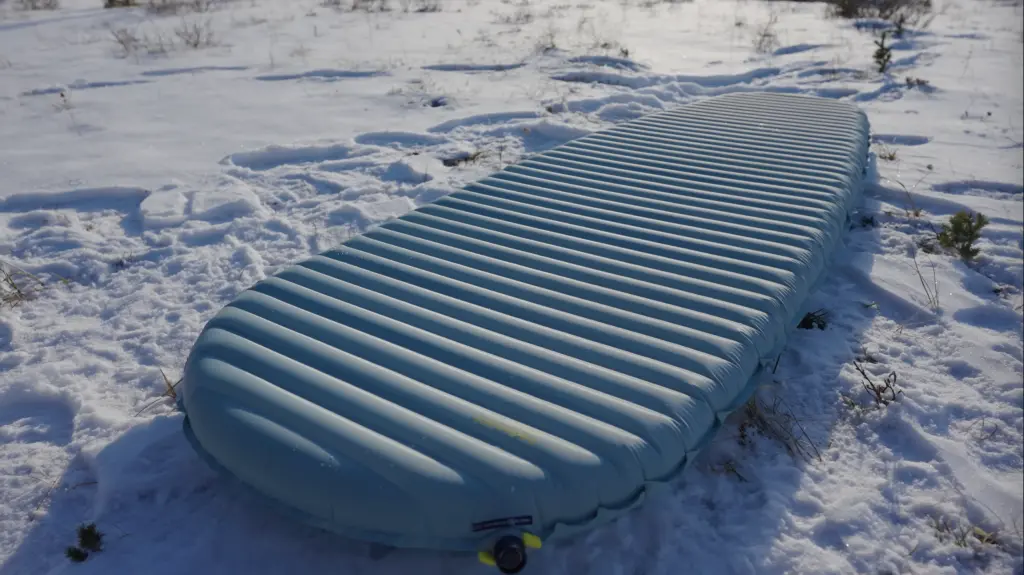
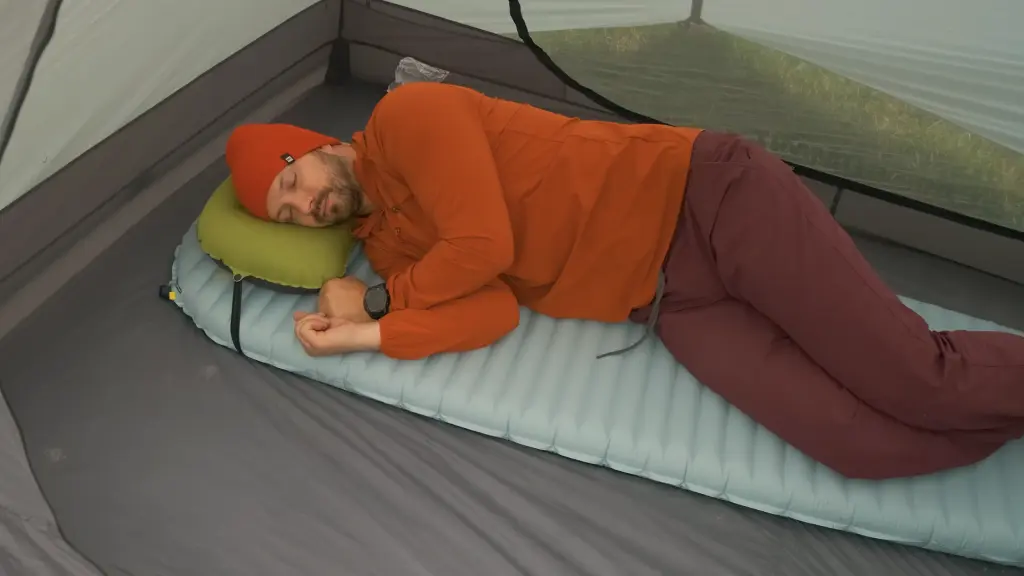
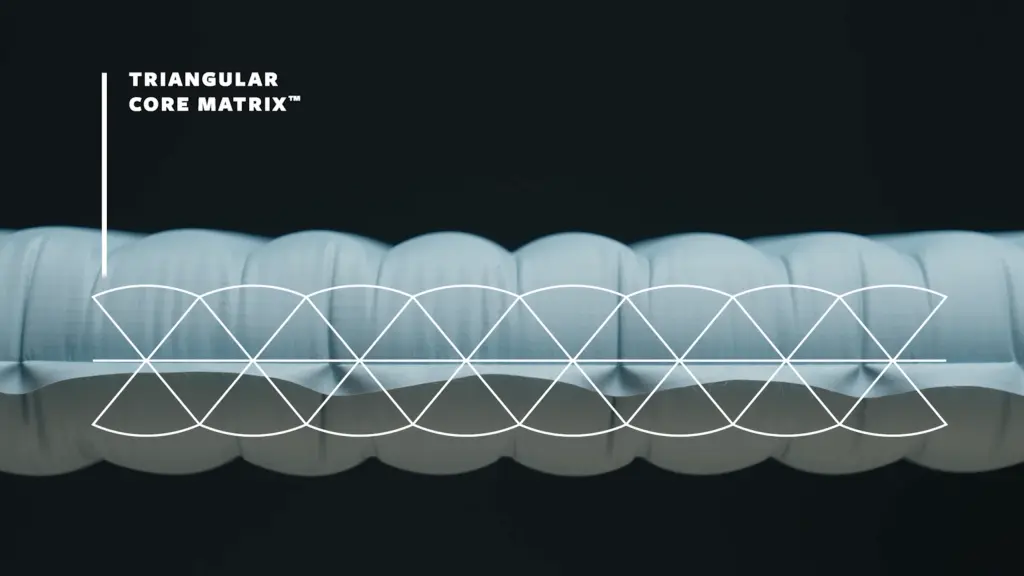
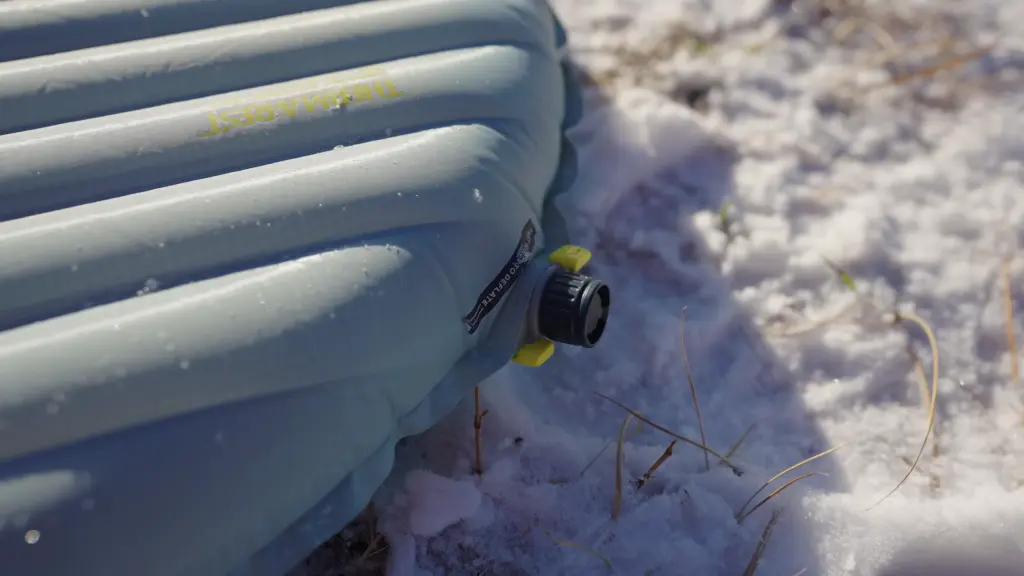
What we prioritized: Reliable, exceptionally warm, minimal fiddle-factor.
Pros
- Consistently sleeps warm at -30°C (-22°F) on snow or frozen ground thanks to the triangular core matrix and thermocapture insulating technologies.
- Reliable pad that has a proven track record for durability and a low failure rate.
- Easy to inflate and deflate the pad using the WingLock valve - even with mitts and cold hands.
Cons
- Least comfortable winter pad GearPriority has tested. The horizontal baffles and lack of pressure relief leads to numb arms and pressure points. It is ideal to sleep on your back with this pad.
Contenders: NEMO Tensor Extreme Conditions, Sea to Summit Ether Light XR Pro, Bestway Alpinelite, Exped Ultra 10R.
Alternative pick: Sea to Summit Ether Light XR Pro. Not as warm as the Xtherm NXT with a lower limit of -25°C (-13°F) on snow. But far more comfortable at nearly the same weight.
Bestway Ridgelite

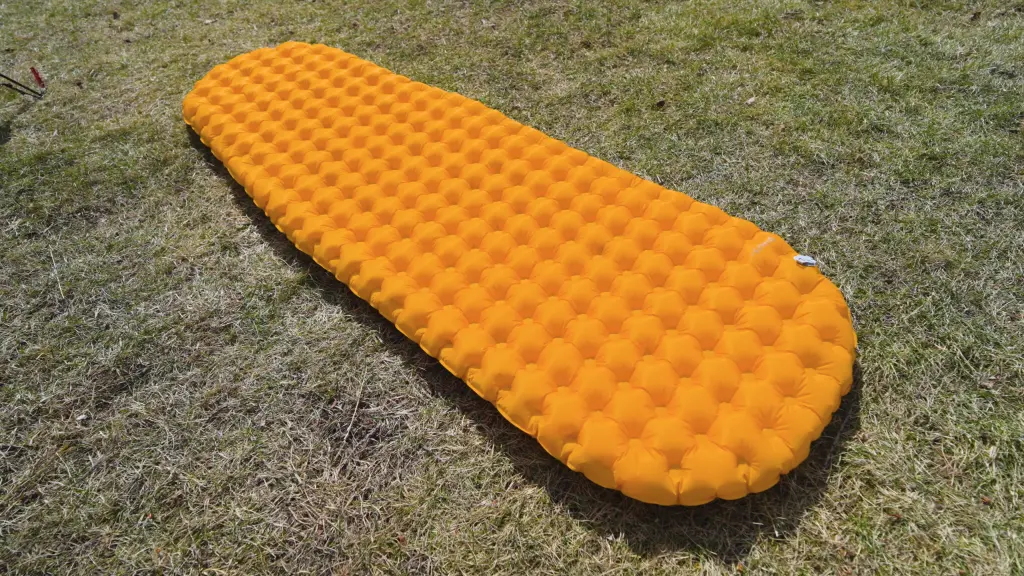
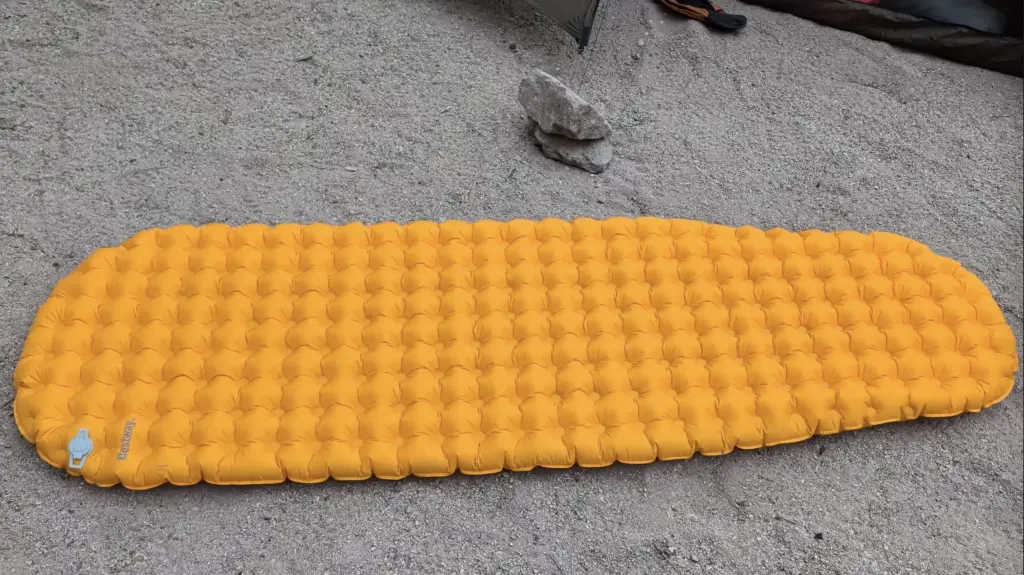
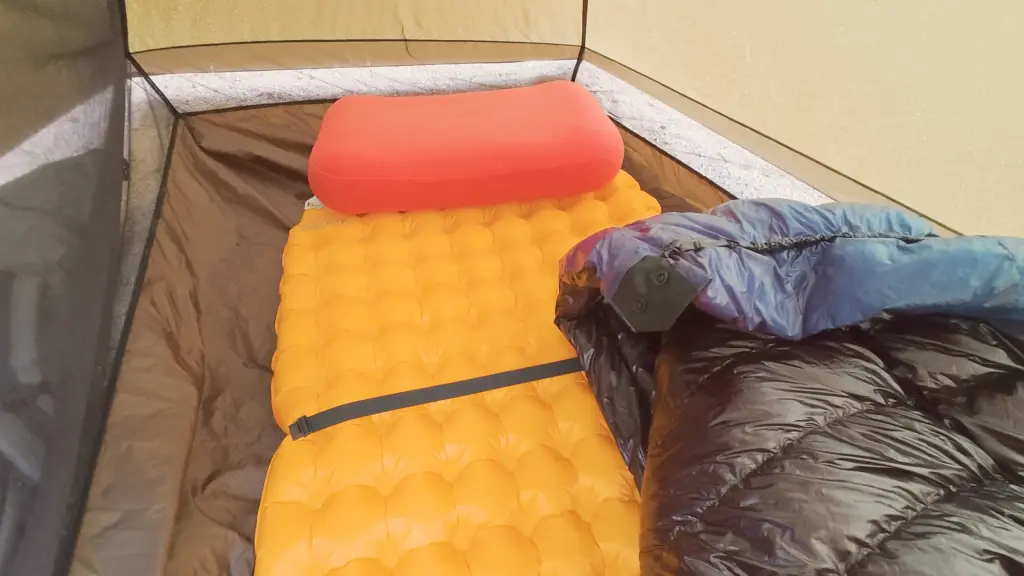
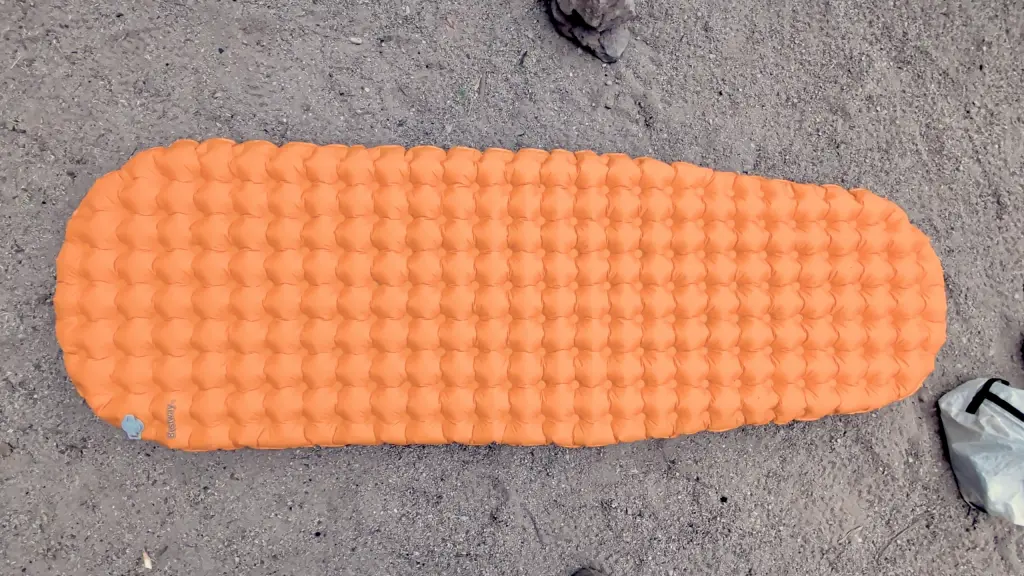
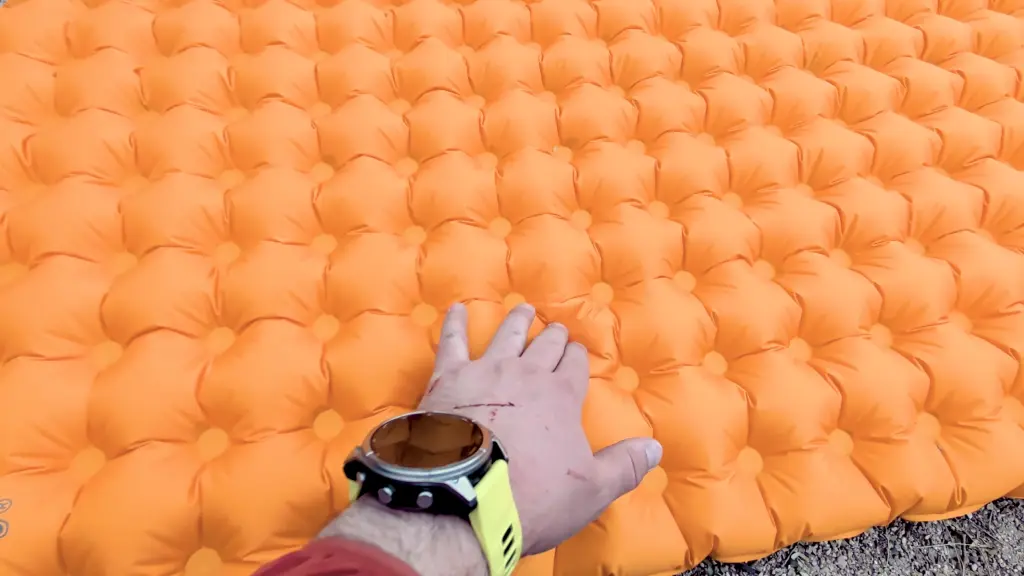
What we prioritized: A solid all-around pad at a low price.
Pros
- Dimpled baffling and 7.5 cm (3 in) of thickness, provide good pressure relief and comfort.
- Reflective insulation suspended in the pad allows it to keep you warm in below freezing conditions.
- With solid comfort and warmth, the pad still only weighs 700 g (1.5 lb) and is compact when rolled up.
Cons
- Heavier side sleepers may bottom out the pad and touch the ground with their shoulder or hip, especially if the pad is at all deflated.
- Weight-conscious backpackers will find the Ridgelite heavy and may prefer a lighter pad.
Contenders: Naturehike, Hikenture, OneTigris, Trekology.
Alternative pick: Naturehike 5.8. Lighter than the Bestway and basically as warm, just not quite as comfortable.
Exped Ultra 6.5R

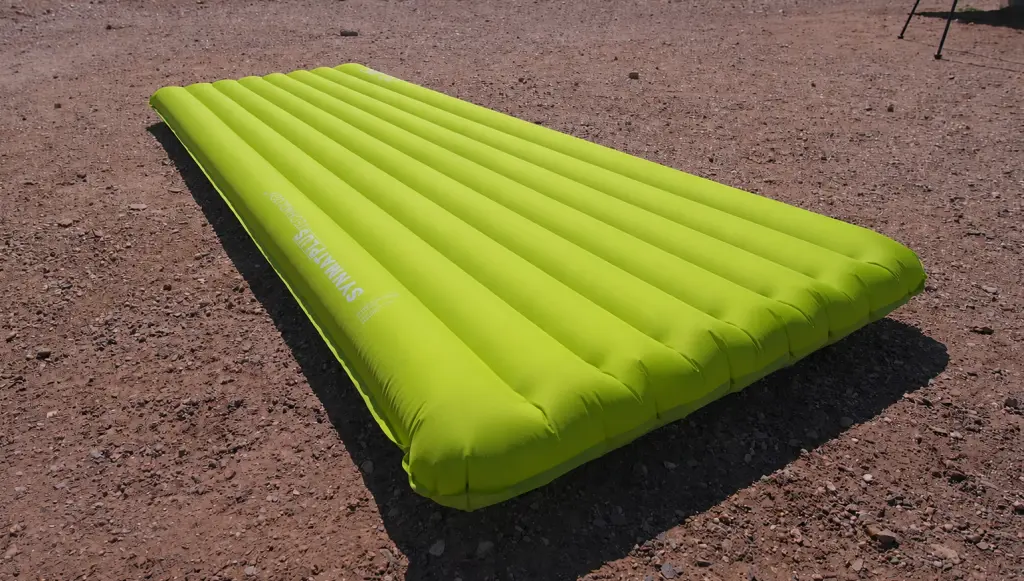
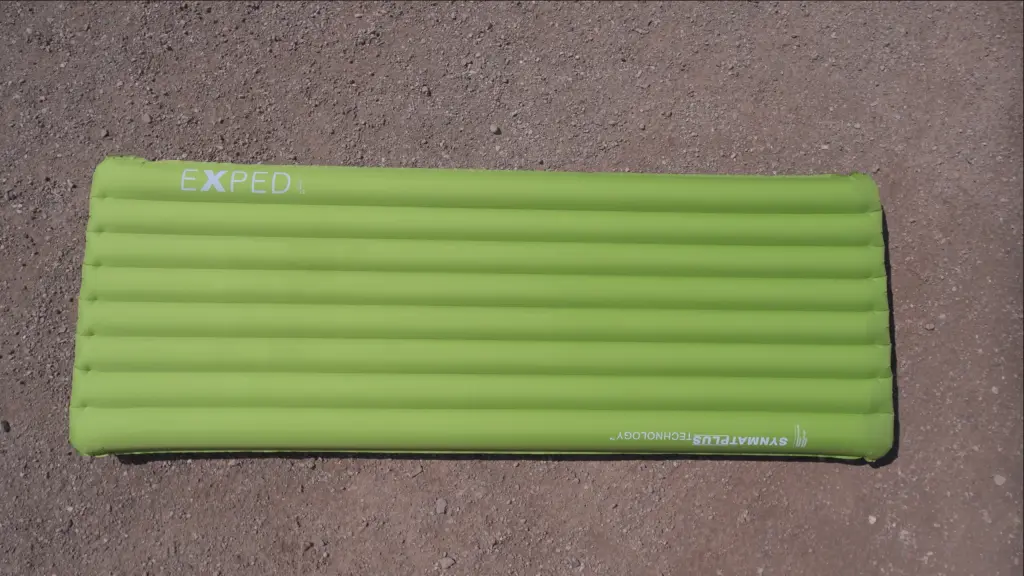
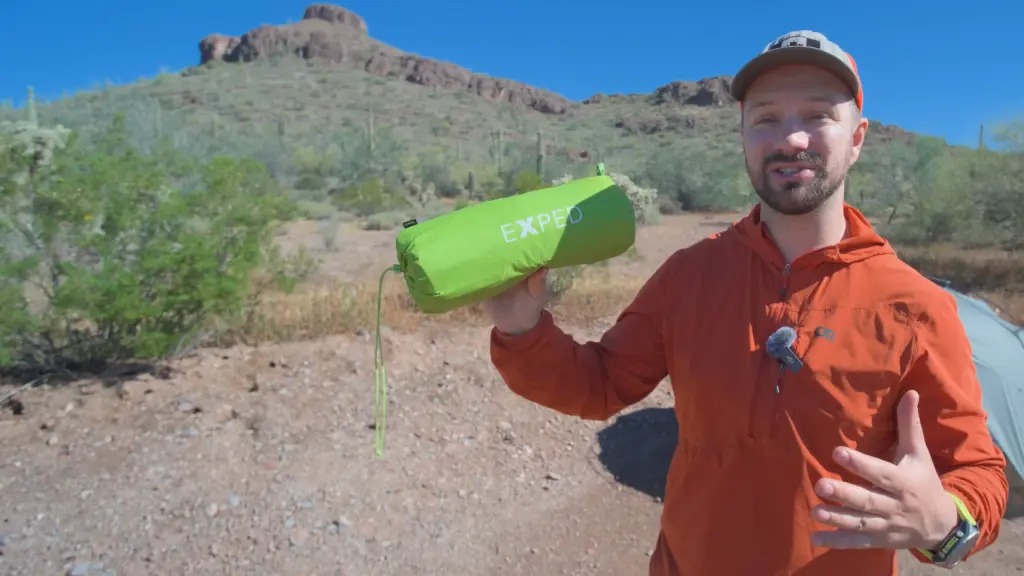
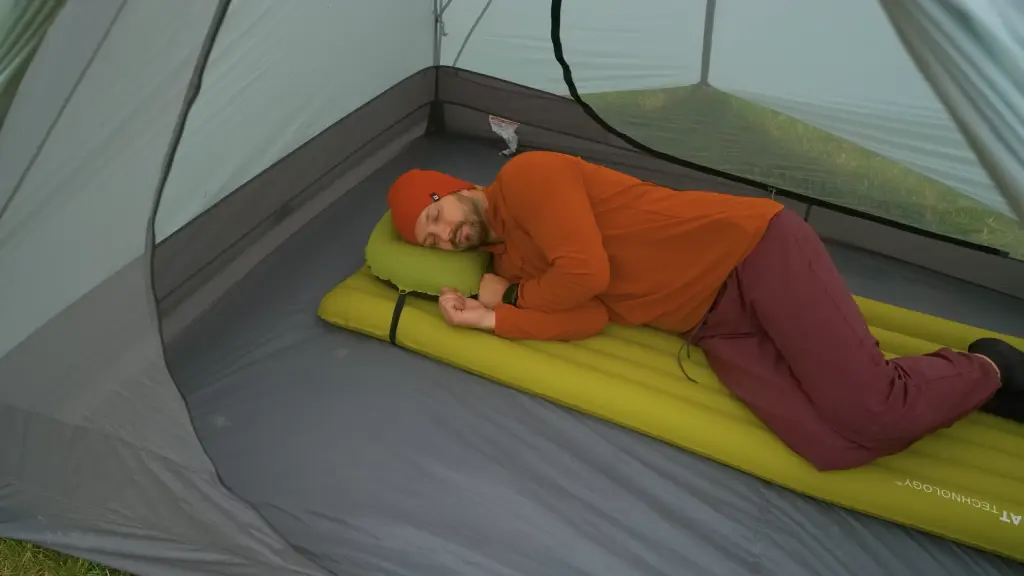
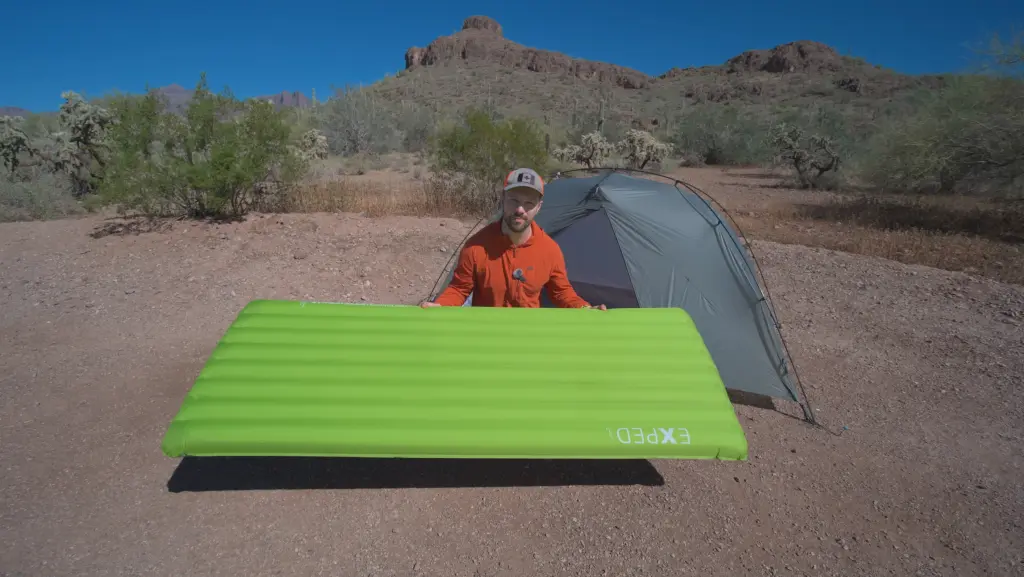
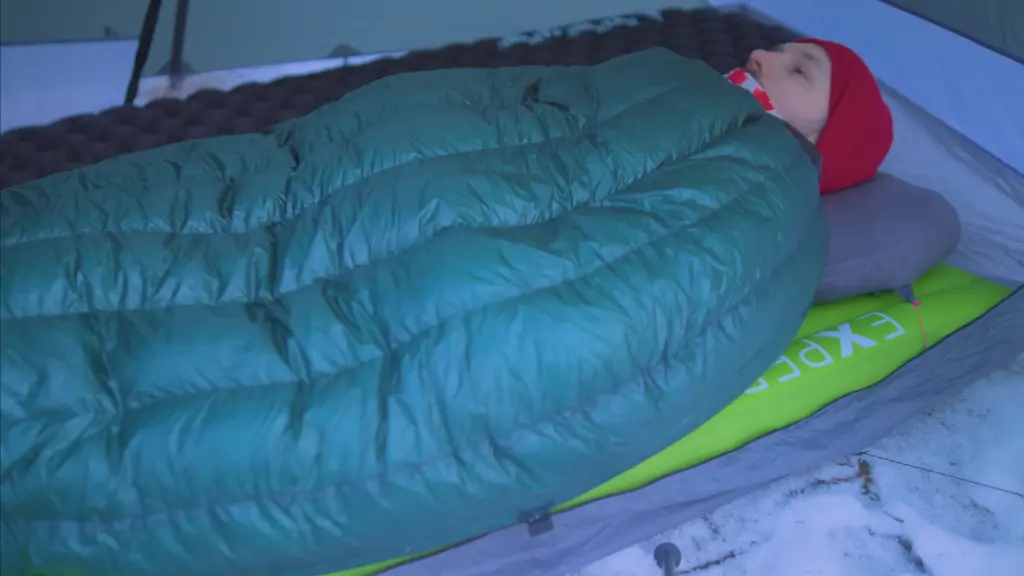
What we prioritized: The lowest weight possible without giving up comfort or warmth.
Pros
- At only 551 g (1.2 lb), the Exped Ultra 6.5R is one of the lightest pads on the market that is still warm below freezing and comfortable.
- The stretchy top material and vertical baffles provide excellent comfort through pressure relief and stability.
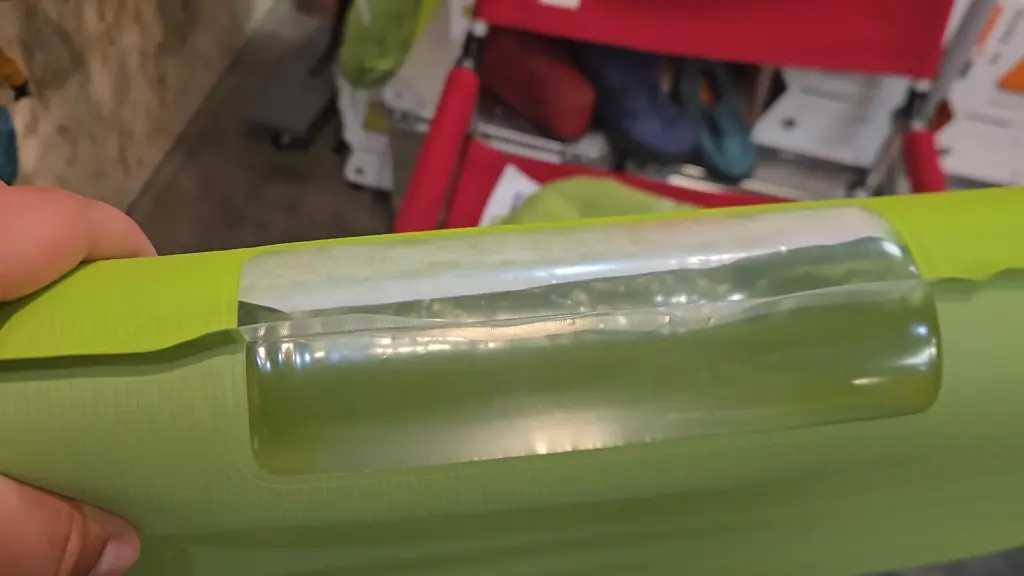
- The hybrid synthetic/reflective insulation is unique and is a reason the pad is able to be as light, warm, and compact as it is.
Cons
- Despite a 6.9 R-value, the rectangular version of the pad is only able to sleep warm down to -6°C (21°F).
- Due to a lack of full insulation coverage in the outer tubes, the mummy shaped version of the Ultra 6.5R sleeps colder than the rectangular and can feel cold in below freezing temperatures.
Contenders: Therm-a-Rest NeoAir XLite NXT, NEMO Tensor All-Season, Zenbivy Ultralight, NEMO Eclipse All-Season.
Alternative pick: NEMO Eclipse All-Season. It very nearly won this category and would have if it came in a mummy version. If you want ultralight comfort above all, go with the Eclipse.
NEMO Tensor Elite
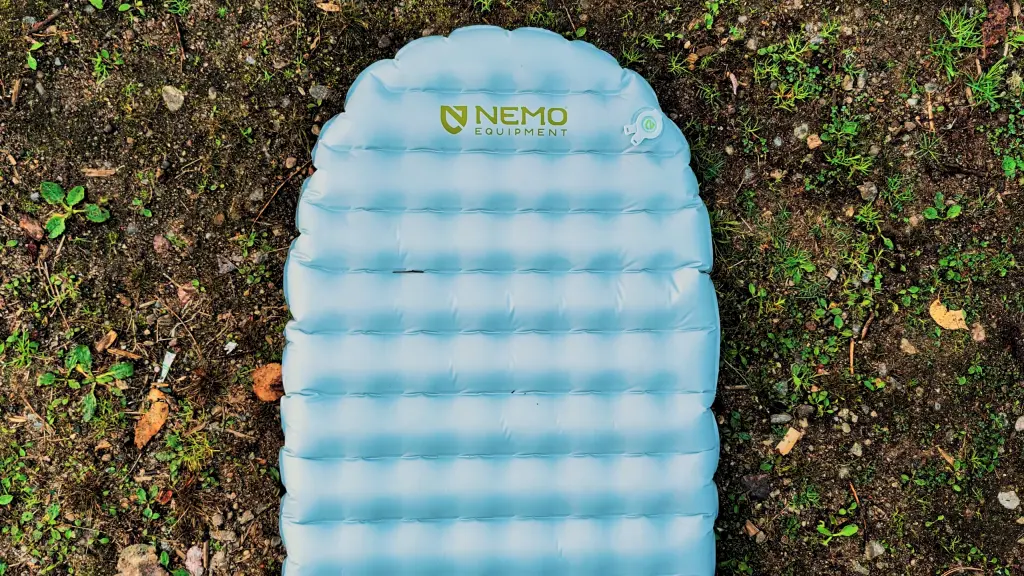
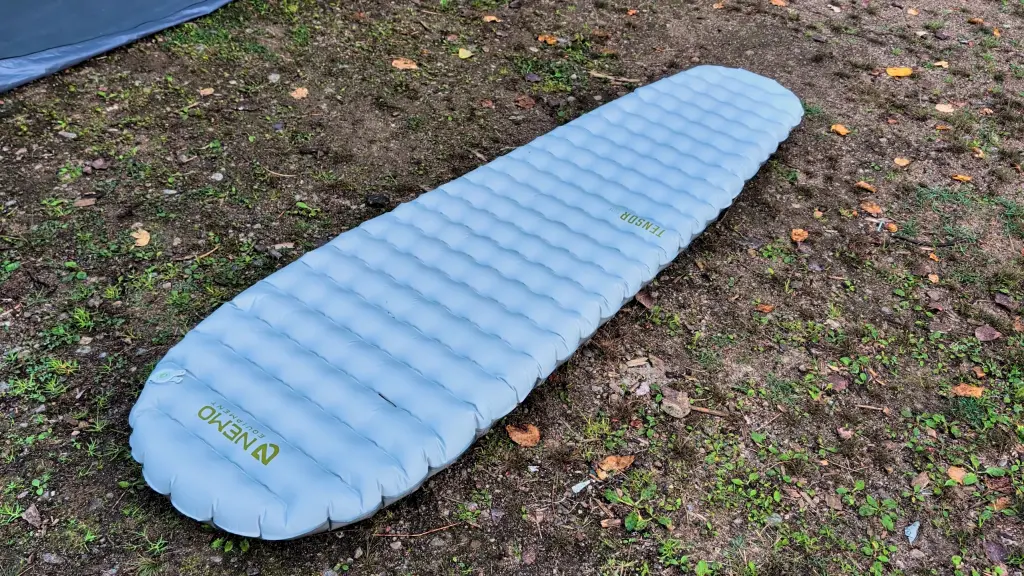
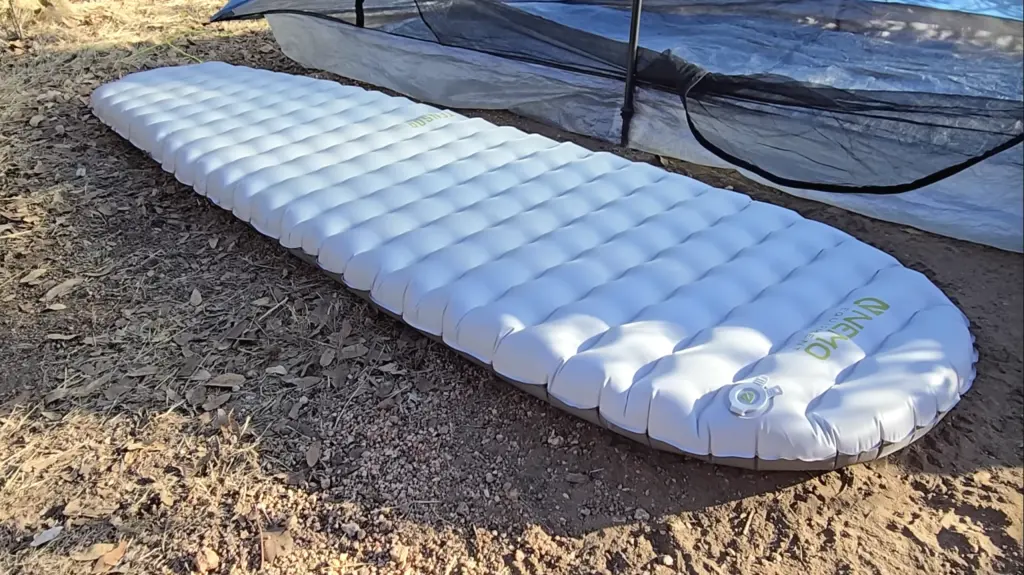
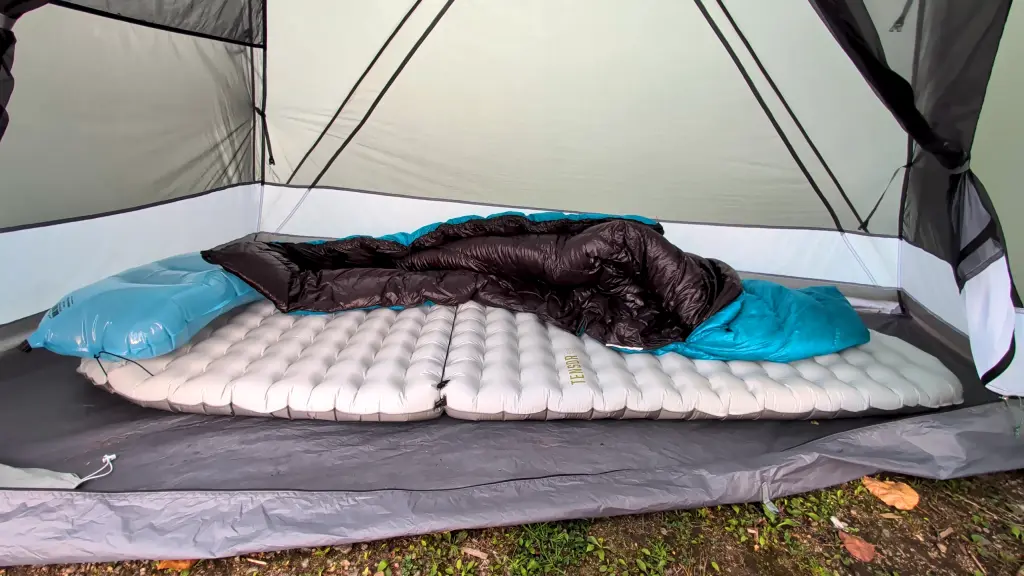
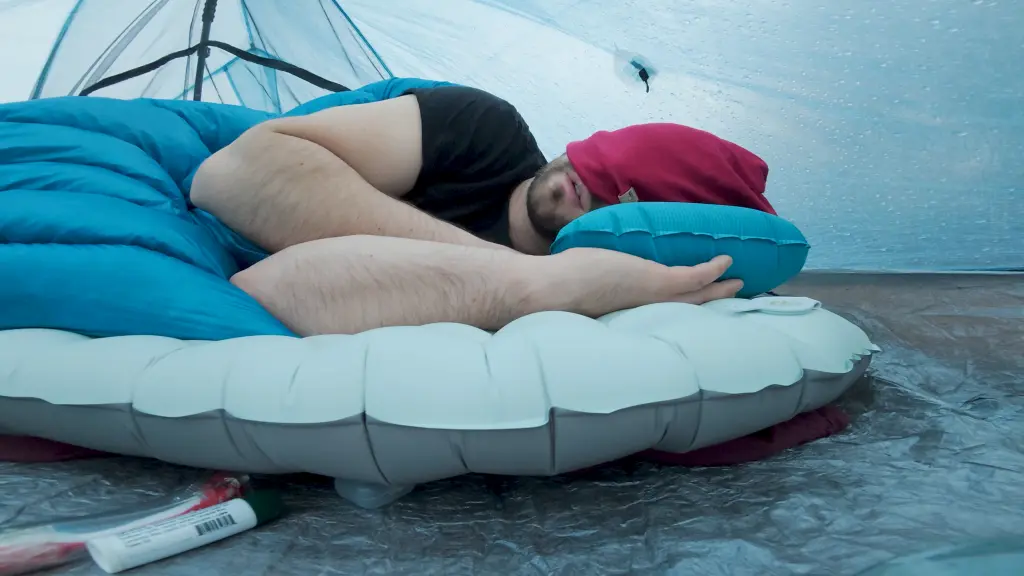
What we prioritized: The lightest pad that's still worth sleeping on.
Pros
- No real competition. Since the Therm-a-Rest UberLite was discontinued, the Tensor Elite has the category to itself at 301 g (10.6 oz) for the regular wide size.
- The thin materials give the top some stretch; which, when combined with the slightly dimpled horizontal baffles, leads to the pad sleeping more comfortably than expected.
- The regular/wide size takes comfort a step beyond the regular size and makes for a surprisingly comfortable pad.
- A summer pad and fragile by design. Through dozens of nights of use it has been surprisingly durable without much babying.
Cons
- One layer of reflective insulation does not provide a lot of insulation and leads to the pad having a lower limit for warmth of about 5°C (41°F).
Contenders: None, really. The Therm-a-Rest UberLite was the only comparable pad and it has been discontinued.
Exped MegaMat Ultra

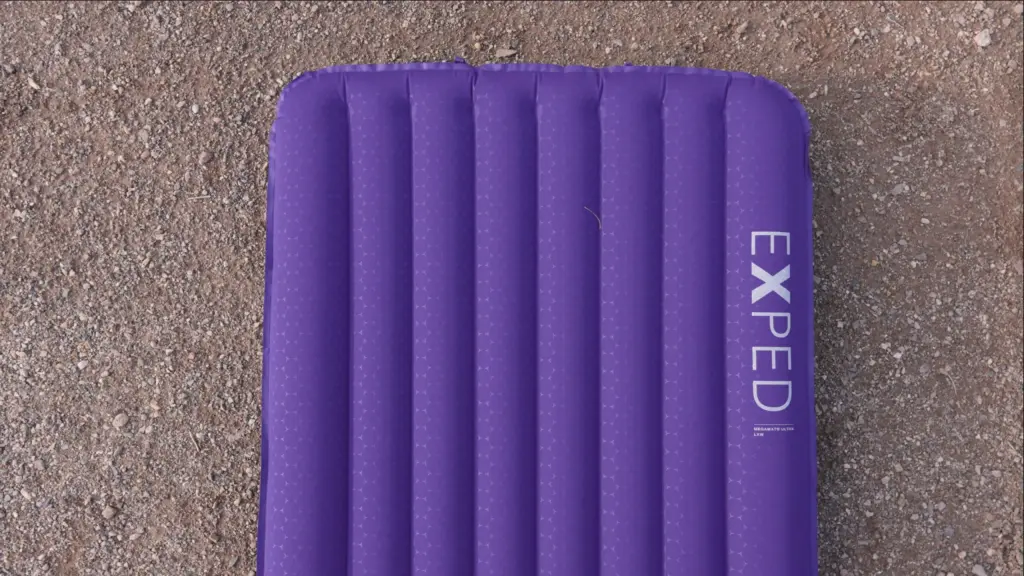
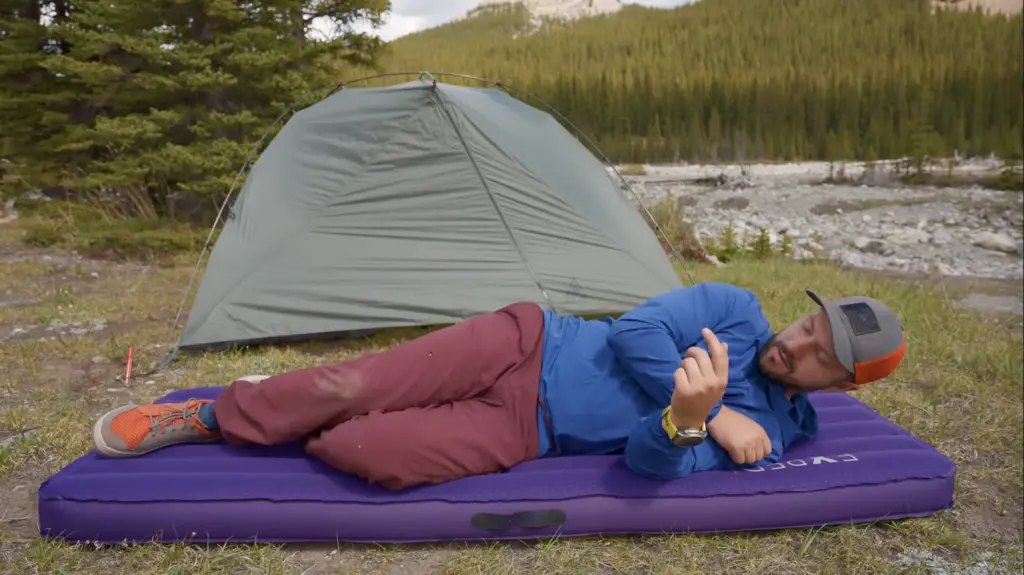
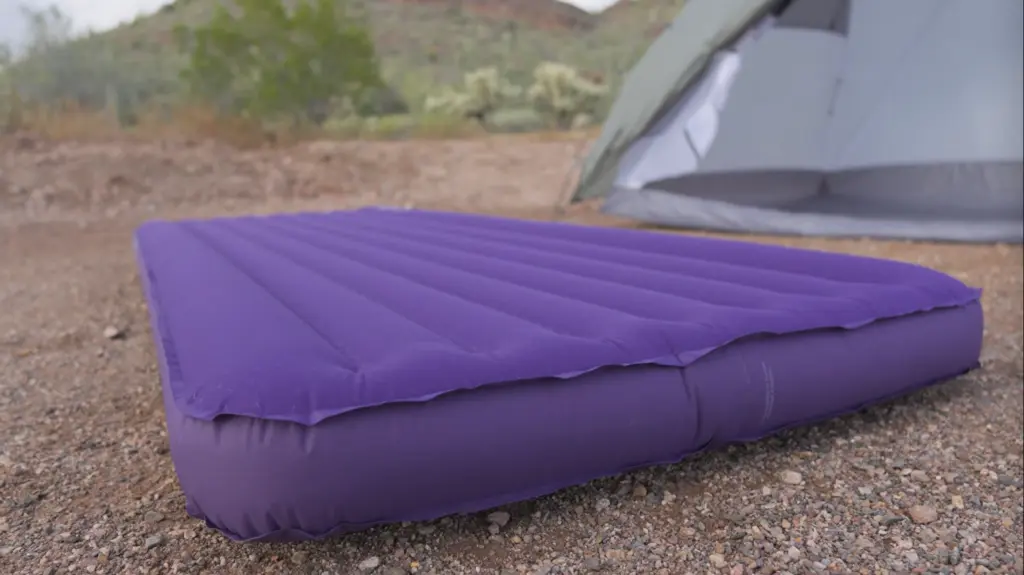
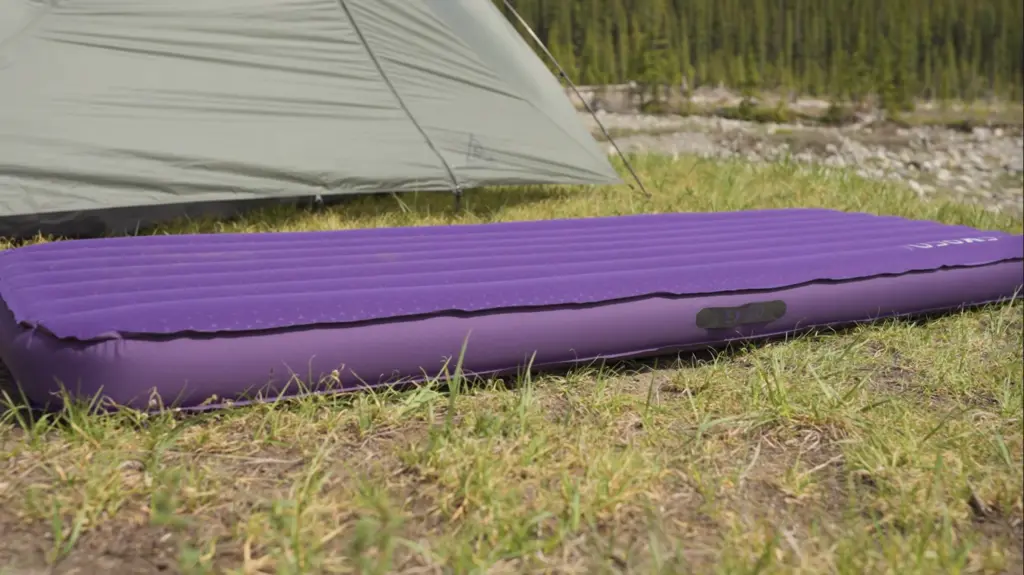
What we prioritized: Pressure relief, stability, warmth, and a good night's sleep.
Pros
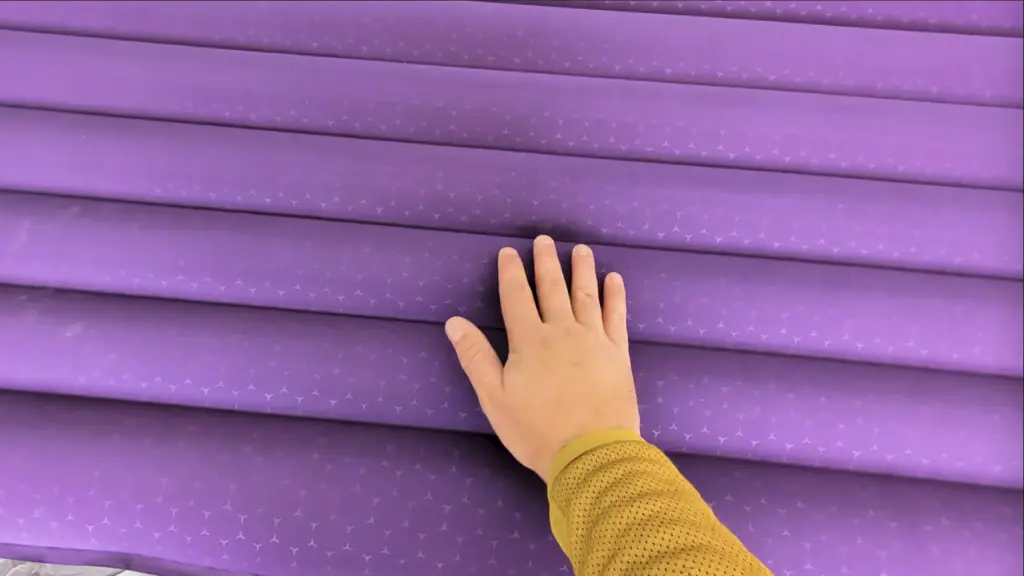
- The pad thickness, vertical baffles, and stretchy top material lead to excellent pressure relief. At no point have reviewers experienced pressure points or had their arms go numb when side sleeping.
- The vertical baffles and construction of the pad leads to solid stability. You can have the pad deflated a bit and it will still feel stable. It does not feel like you are laying on a balloon when shifting positions on the pad. The stability extends all the way from the centre of the pad to the edges.
- Synthetic insulation suspended in the pad leads to the pad being warm to just below freezing.
Cons
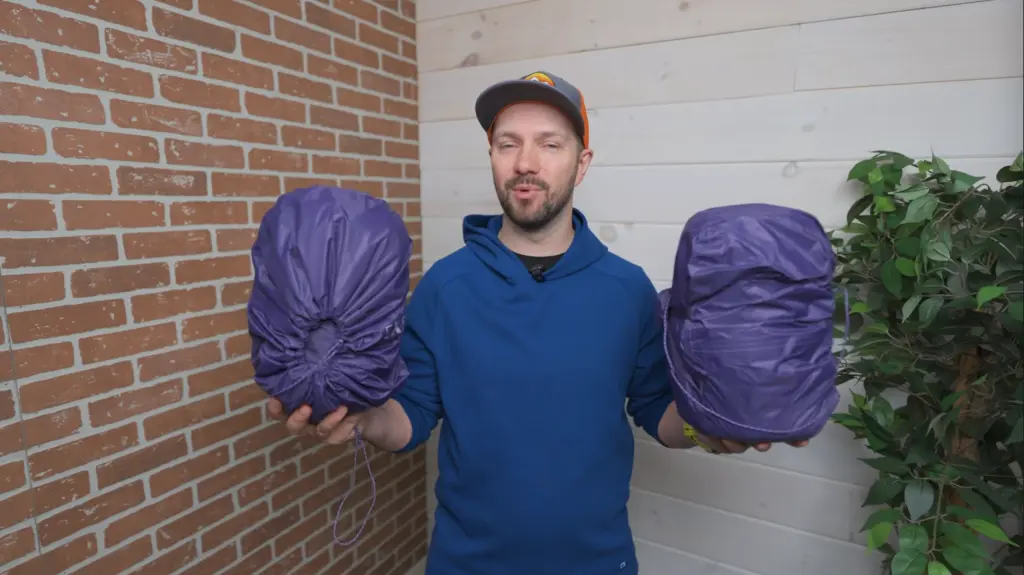
- The pad is heavy and bulky - right on the limit for bringing backpacking in the long/extra-wide size.
Contenders: Therm-a-Rest NeoLoft, REI Helix, Zenbivy Flex, NEMO Eclipse All-Season.
Alternative pick: Therm-a-Rest NeoLoft. Some will find it even more comfortable but others will find it balloon-y.
NEMO Eclipse All-Season

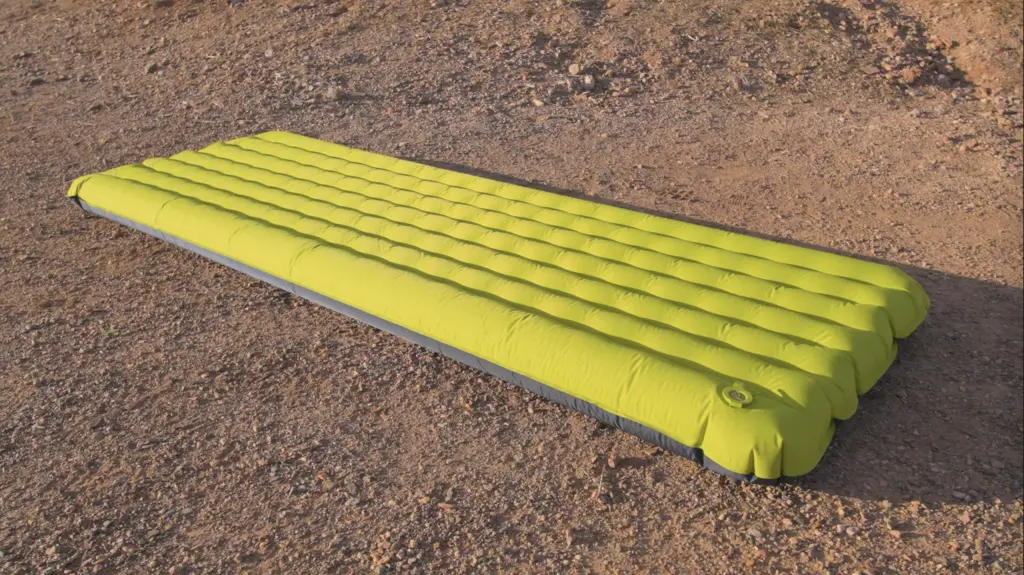
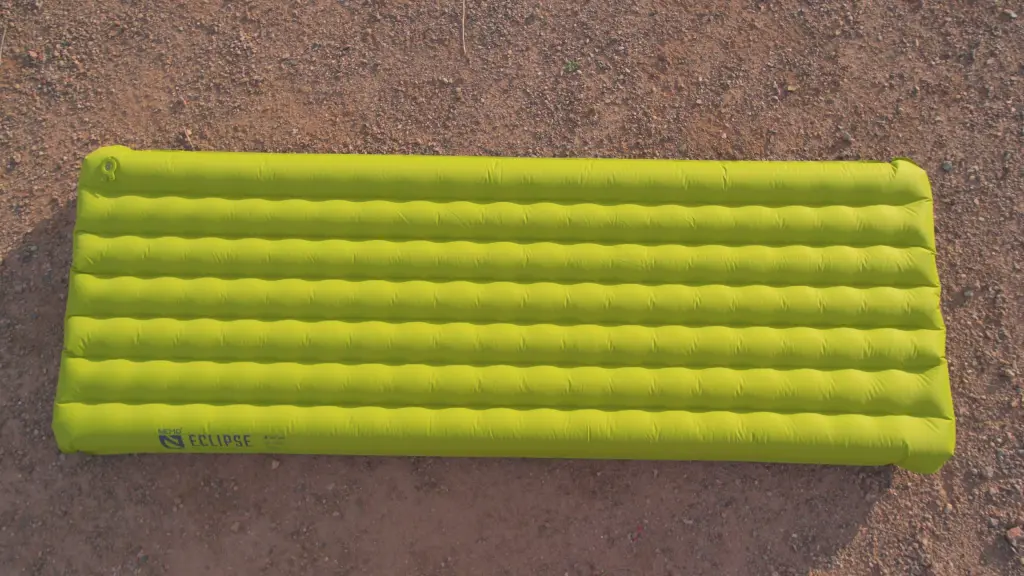
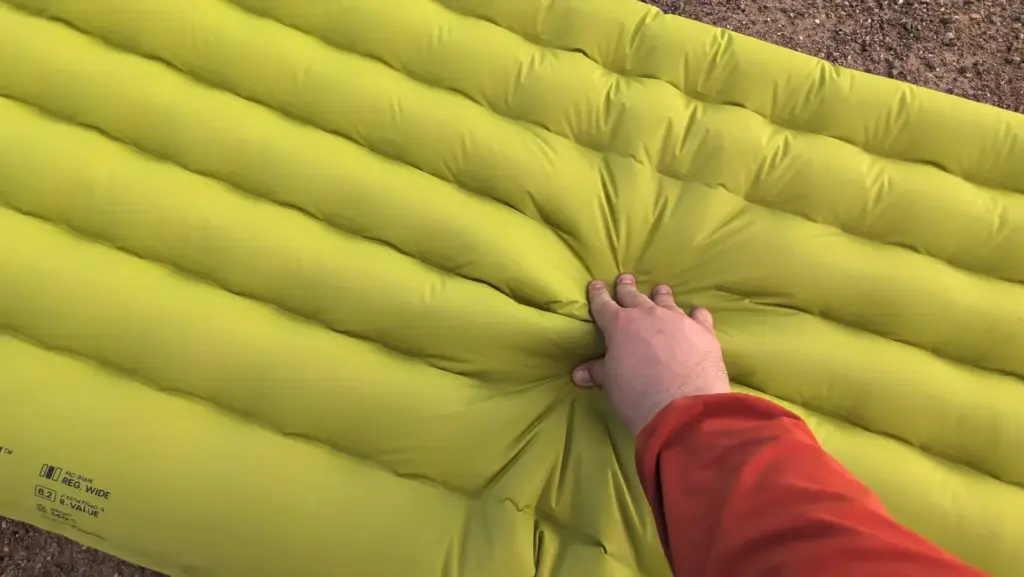
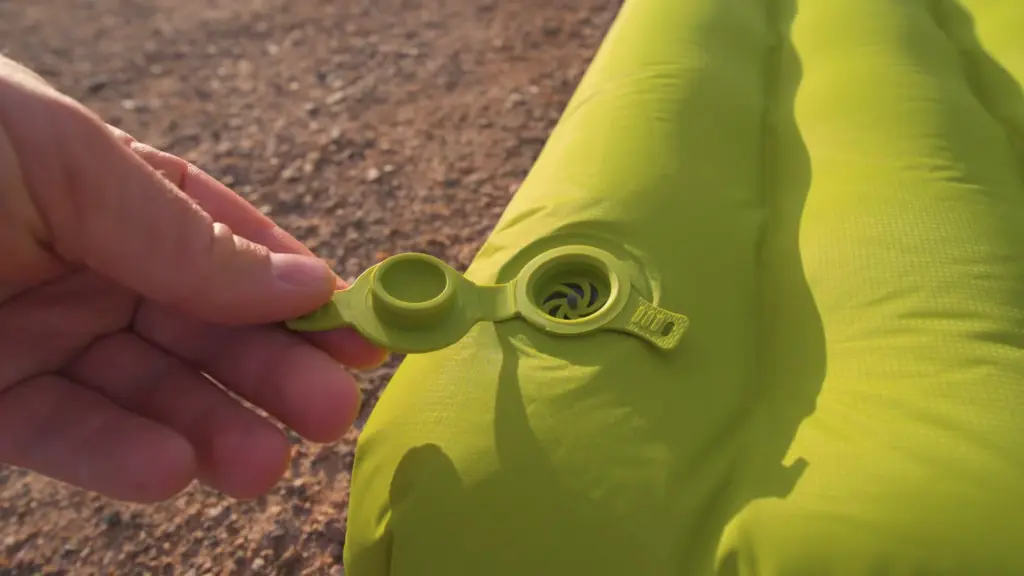
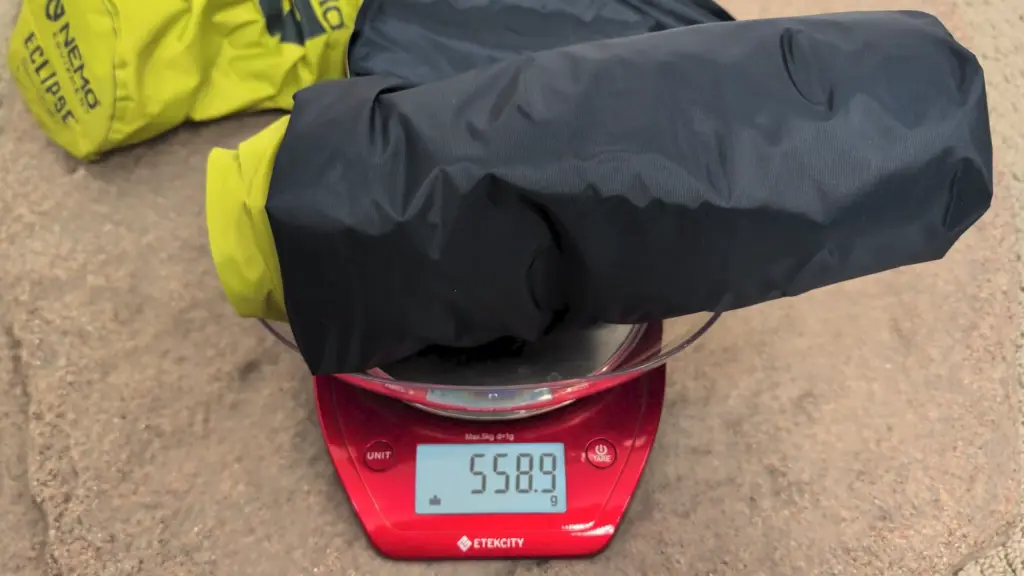
What we prioritized: A pad that does everything well (comfort, weight, ease-of-use, and warmth) without a major compromise anywhere… except maybe price.
Pros
- The slightly dimpled vertical baffles provide great pressure relief and solid stability. At about 60-70% inflation firmness, the pad hits its sweet spot for comfort and is one of the most comfortable pads on the market.
- Falls into the ultralight weight category, weighing 558 g (1.2 lb) for the regular/wide size.
- It is a compact pad that is easy to inflate, deflate, and adjust the inflation firmness using the awesome valve system.
Cons
- The warmth is less than what the R-value would predict but is enough for most people in most 3-season conditions. Warm enough to get just below freezing.
Contenders: NEMO Tensor All-Season, Zenbivy Ultralight, Sea to Summit Ether Light XR, Exped Ultra 6.5R.
Alternative pick: Exped Ultra 6.5R. The NEMO Eclipse All-Season and the Ultra 6.5R are the two great new entries this year, and both have made a real splash. Well done, NEMO and Exped.
Exped Ultra 6.5R

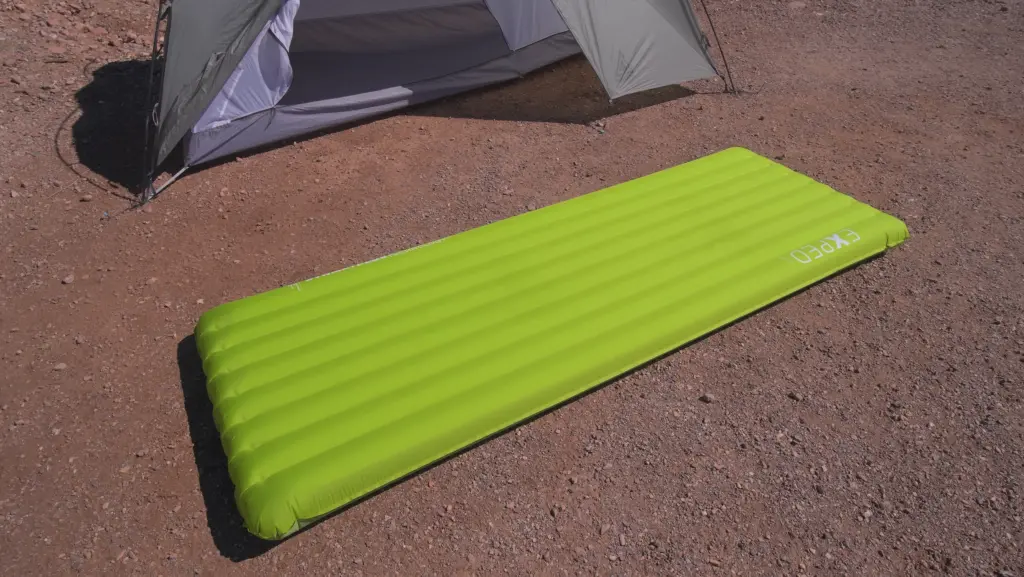
What we prioritized: A new approach to sleeping pads through a technological advance or approach change.
Pros
- Innovate implementation of the pad insulation. A layer of synthetic fill insulation is glued to the top of the pad and a layer of reflective film is attached to the synthetic fill insulation. This system places the insulation close to the sleeper and maximizes the insulations efficiency and effectiveness.
- The insulation results in a very light and compact pad while maintaining warmth performance.
Cons
- There is still room to refine the technology. Exped can likely get the pads sleeping warmer without increasing weight, but it is a strong first step.
Full Comparison
 Therm-a-Rest NeoAir XTherm NXT Therm-a-Rest NeoAir XTherm NXT |
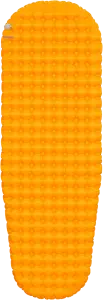 Bestway Ridgelite Bestway Ridgelite |
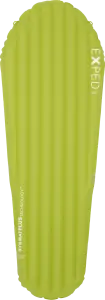 Exped Ultra 6.5R Exped Ultra 6.5R |
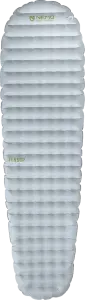 NEMO Tensor Elite NEMO Tensor Elite |
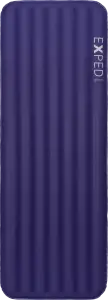 Exped MegaMat Ultra Exped MegaMat Ultra |
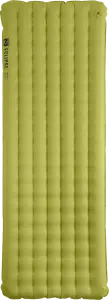 NEMO Eclipse All-Season NEMO Eclipse All-Season |
|
|---|---|---|---|---|---|---|
| Award | Warmest Pad | Best Budget Pad | Best Ultralight Pad, Most Innovative Pad | Best Super-Ultralight Pad | Most Comfortable Pad | Best All-Around Pad |
| R-value | 7.3 | 4.9 | 6.9 | 2.4 | 4.4 | 6.2 |
| Weight | 567 g (1.3 lb) | 700 g (1.5 lb) | 551 g (1.2 lb) | 301 g (10.6 oz) | 880 g (1.9 lb) | 558 g (1.2 lb) |
| Thickness | 7.6 cm (3 in) | 7.5 cm (3 in) | 9 cm (3.5 in) | 7.6 cm (3 in) | 10 cm (3.9 in) | 10.2 cm (4 in) |
| Overall Rating | B+ | A- | A | B+ | A- | A |
| Comfort score | 4/10 | 7/10 | 7/10 | 6/10 | 9/10 | 8/10 |
| Warmth score | 10/10 | 7/10 | 7/10 | 4/10 | 6/10 | 6/10 |
| Weight score | 7/10 | 6/10 | 7/10 | 10/10 | 3/10 | 7/10 |
| Ease of Use score | 4/10 | 10/10 | 8/10 | 10/10 | 6/10 | 10/10 |
| Durability score | 10/10 | 8/10 | 10/10 | 4/10 | 10/10 | 8/10 |
| Noise score | 6/10 | 8/10 | 10/10 | 8/10 | 10/10 | 8/10 |
Buying Guide
R-Value and Warmth
Weight vs. Comfort
Choosing the Right Size
Summary
If you just want one do-it-all pad, the NEMO Eclipse All-Season is the pad most people will want, with the Exped Ultra 6.5R right behind it. If you want the mummy-shape weight savings, the Exped takes it. Going as light as possible? The NEMO Tensor Elite has the super-ultralight category to itself. Chasing maximum comfort, the Exped MegaMat Ultra is the closest thing to a mattress you can still carry. On a budget, the Bestway Ridgelite delivers Helix-level performance at a quarter of the price. And for true deep-winter cold, the Therm-a-Rest NeoAir XTherm NXT remains the pad to trust below -25°C (-13°F). Seven categories, but the same rule everywhere: there's no single best pad, just the one that matches what you're actually planning to do.