
Durston Kakwa 55
One of the packs I recommend most – light, comfortable, and versatile for almost any trip.
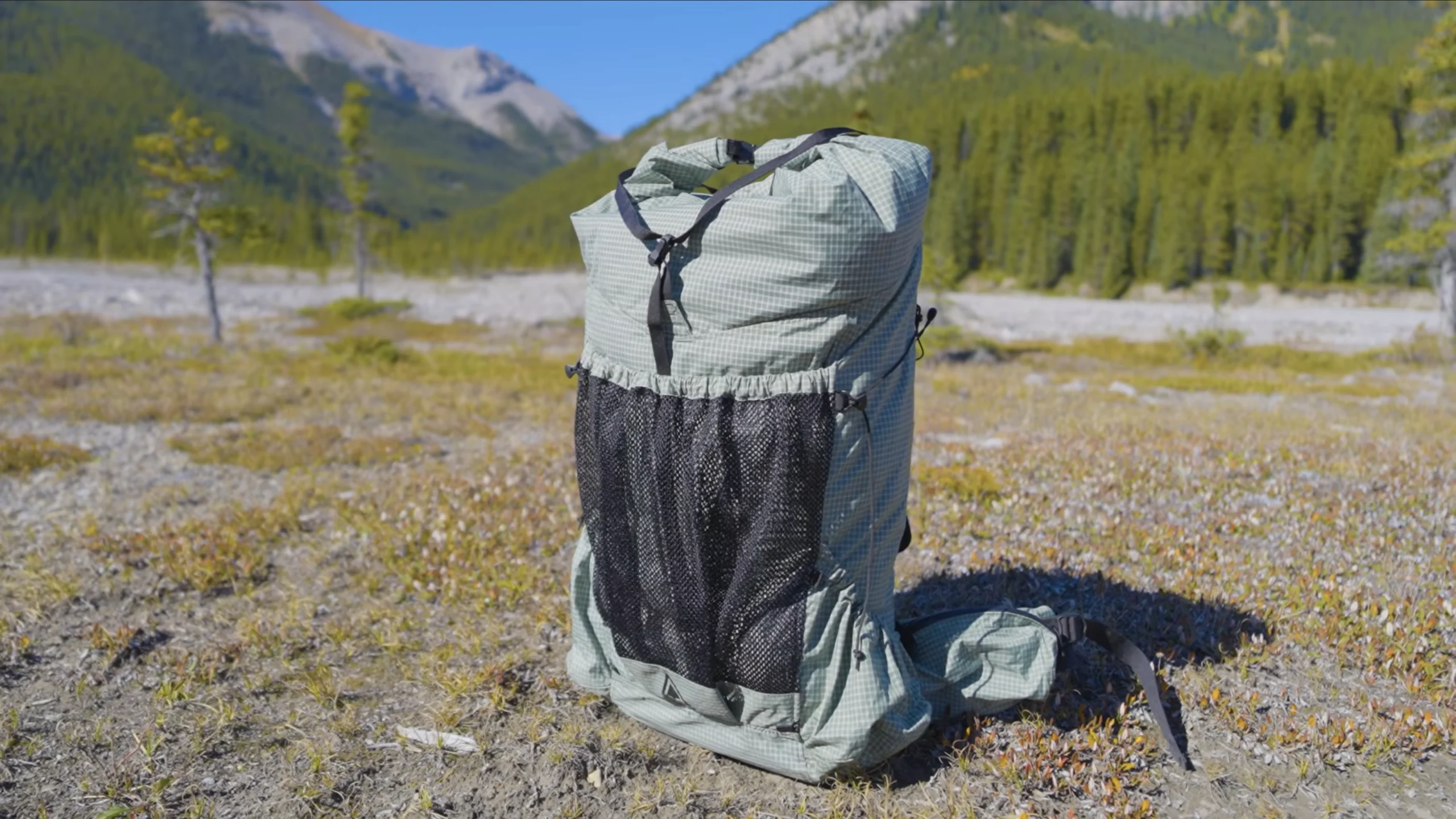
The Durston Kakwa 55 is a lightweight framed pack from Durston Gear. Durston designed it to give the most function, comfort, and usability possible in an ultralight pack. I have tested the Kakwa 55 over hundreds of miles in both the UltraGrid and Ultra 200X fabric variations. It carries 20.4 kg (45 lb) comfortably at only 870 g (1.9 lb), has a large set of easy to reach pockets, and weighs less and costs less than most packs it competes with. The Kakwa 55 is one of the best all-around lightweight packs on the market and one of the packs I recommend most.
Pros and Cons
Pros
- S-shaped shoulder straps and a lumbar pad on the hipbelt make it comfortable for a lightweight pack.
- Aluminum frame, load lifters, and solid hipbelt let it carry 20.4 kg (45 lb) comfortably while only weighing 870 g (1.9 lb) on my scale.
- Great access to items with two shoulder strap pockets, a mesh front pocket, and easy to use hipbelt pockets.
- Simple and polished design with very few parts that can fail.
- Available in a waterproof Ultra 200X fabric for rough environments or a more affordable UltraGrid fabric version.
Cons
- No adjustable torso. Only three torso sizes and two hipbelt sizes.
- Only one side pocket is designed for water bottles, which can make the load uneven.
- No bottom pocket.
- Seams are not sealed, so water can get in even with the waterproof Ultra 200X fabric.
Comfort score: 7.5/10
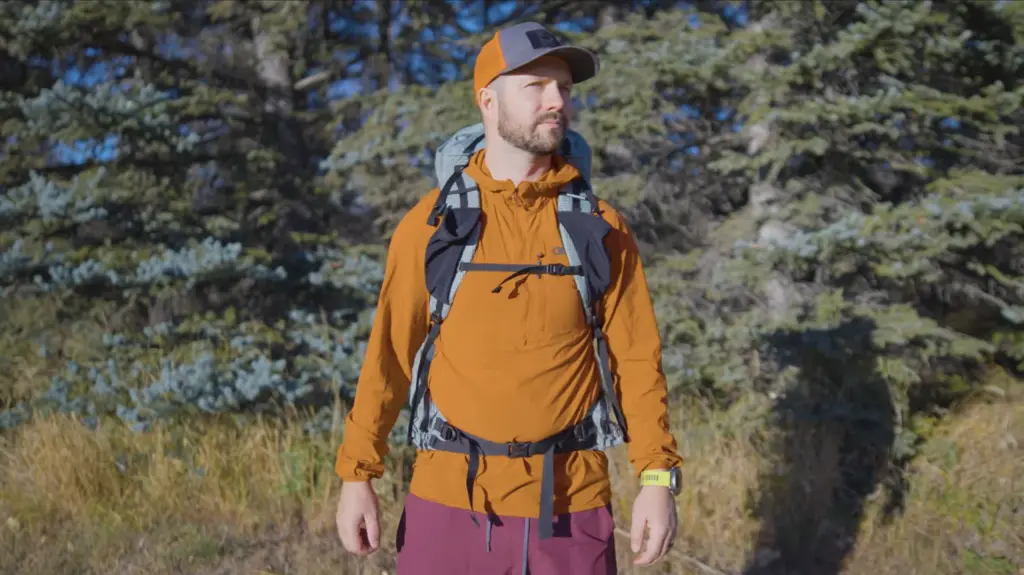
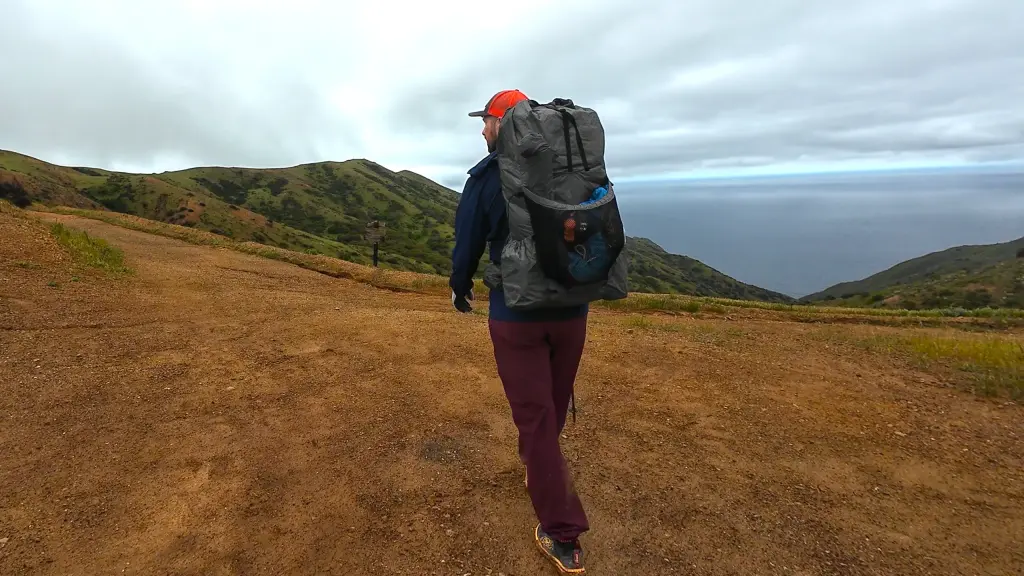
S-shaped shoulder straps hug the chest and curve under the arms, which fits more body types well.
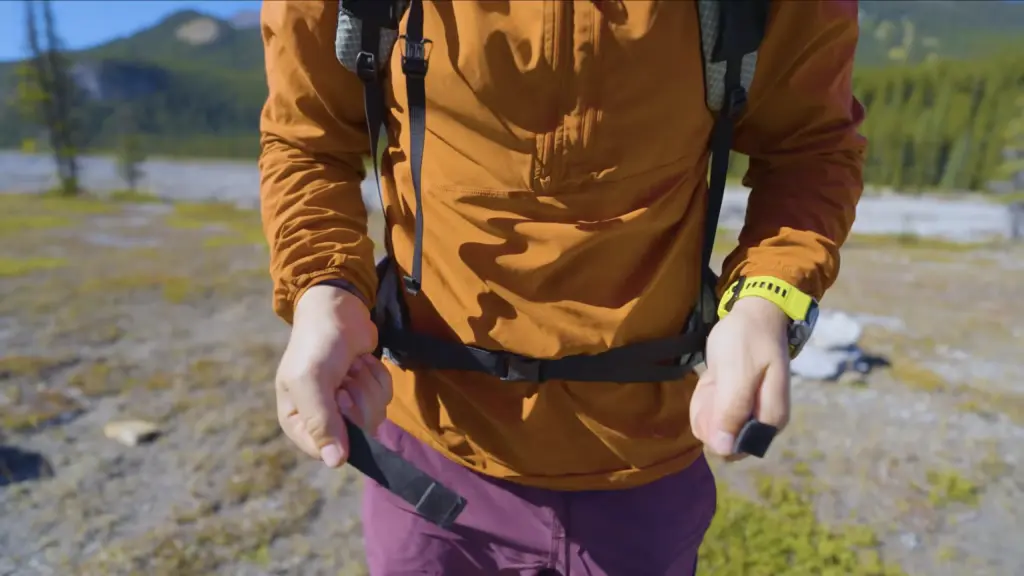
The hipbelt buckle has two attachment points and a forward pull that makes it easy to tighten.
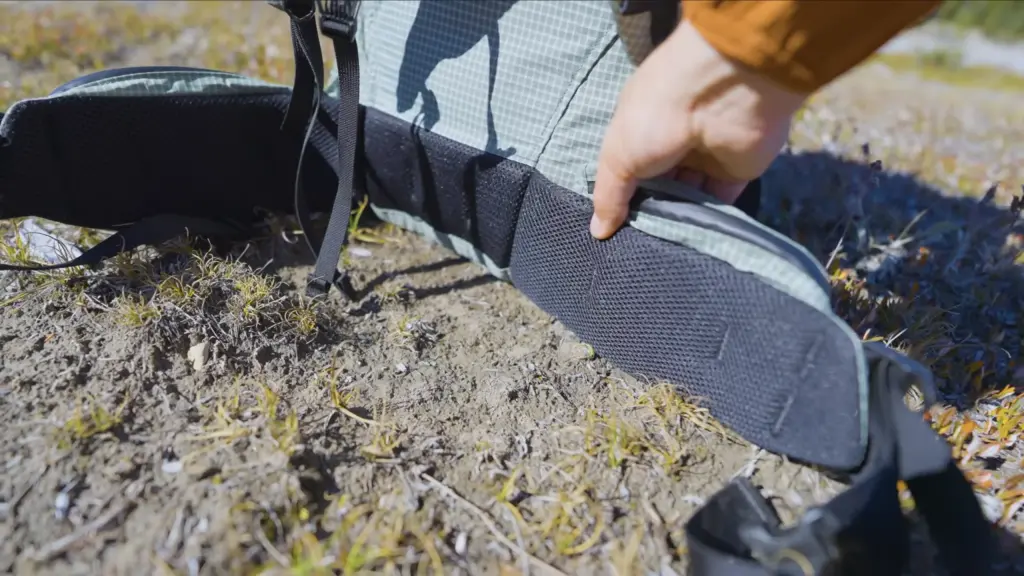
The hipbelt has a lumbar pad and a shape that hugs the hips well.
The frame and load lifters move a full load onto the hipbelt, shown here on the Ultra 200X version.
The Durston Kakwa 55 is very comfortable for its weight. It has a full frame, load lifters, and wrap-around hipbelt. The frame is a hollow aluminum inverted U-shape that gives the pack both vertical and horizontal structure. The frame and load lifters move weight to the hipbelt effectively. I can carry up to (and sometimes over) 20.4 kg (45 lb) comfortably, which is also the advertised load limit. Most people will fill the pack before they reach its comfortable carry limit.
The foam on the shoulder straps and hipbelt is not very thick and not very stiff but is good enough for an ultralight pack. The shoulder straps are S-shaped, which I prefer because they fit more body types well. They hug the chest and curve under the armpits better than J-shaped straps. I find the Kakwa shoulder straps very comfortable.
The hipbelt has a lumbar pad and a shape that hugs the hips well. The lumbar pad makes a big difference compared to the earlier version I tested. The front buckle has two attachment points and a forward pull that makes it easy to tighten. The hipbelt is not very thick but it carries weight well. A thin foam back panel gives the pack structure and keeps items inside the pack from pressing into my back.
The frame and back panel can be removed, which saves 105 g (3.7 oz) but I do not recommend removing it. The frame is a big reason the pack carries weight so comfortably and the frame and back panel are very hard to reinstall. Removing them is not something to do for one trip and undo for the next.
The Kakwa 55 is light enough that I am happy to bring it on a one or two night trip with an ultralight load but it also has the capacity and comfort for bigger trips with heavier loads.
Adjustability score: 6/10
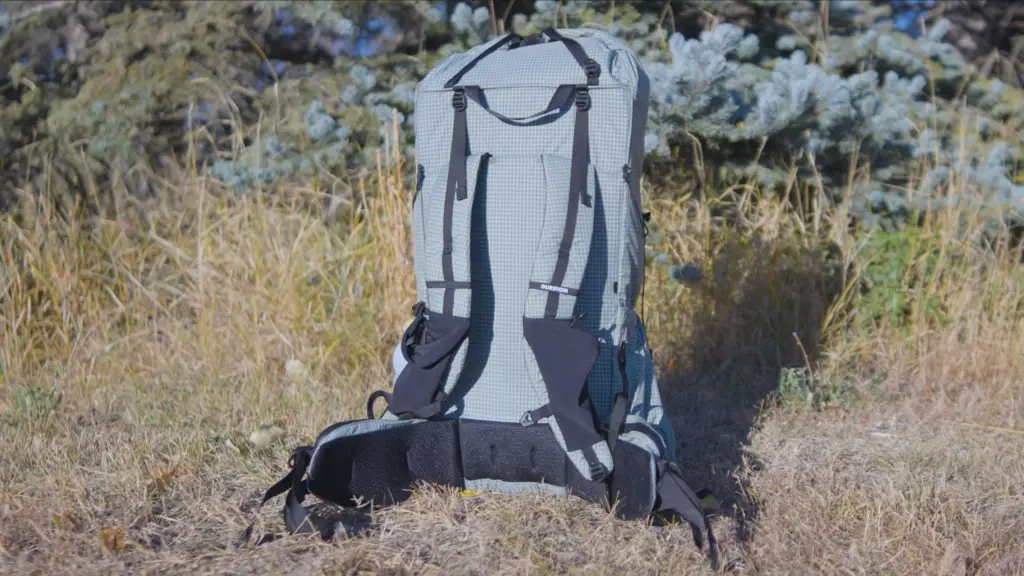
The Kakwa 55 has no adjustable torso. It comes in three torso sizes and two hipbelt sizes.
Adjustability is the main weakness of the Durston Kakwa 55. The Kakwa does not have an adjustable torso. Instead, it comes in three torso sizes: small fits a 38.1 to 45.7 cm (15 to 18 in) torso, medium fits a 43.2 to 50.8 cm (17 to 20 in) torso, and large fits a 48.3 to 55.9 cm (19 to 22 in) torso. The hipbelt comes in two sizes that fit hips from 73.7 to 106.7 cm (29 to 42 in).
The size medium fits me well but is slightly small; this is the compromise of a pack without an adjustable torso. You choose the torso size that fits best and the pack will be a little long or a little short if your torso falls between sizes.
I would like to see a version of the Kakwa with an adjustable torso so that it could fit even more people well. But an adjustable torso does have compromises; it adds complexity, which can increase the price and weight and adds more parts that can fail. Without an adjustable torso, I would like to see more sizes. A 38.1 cm (15 in) torso is not very small and many smaller people cannot fit any Kakwa size. Two hipbelt sizes is also not enough for a modern pack.
The shoulder straps come in one size, which is normal for packs. Durston pairs the shoulder strap length well with each torso size, so most people will not have any issues with shoulder strap fit.
Access to Items score: 7/10
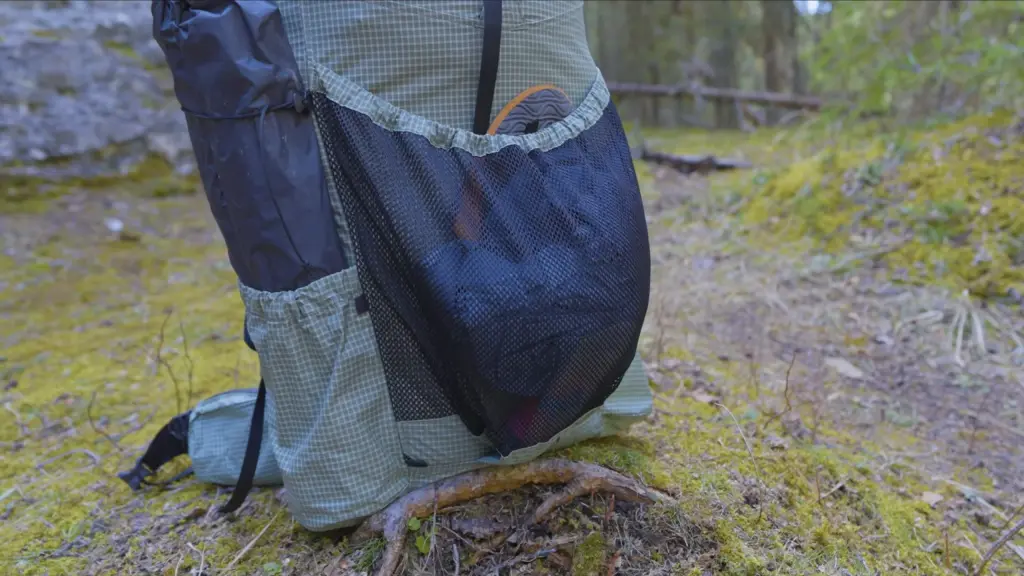
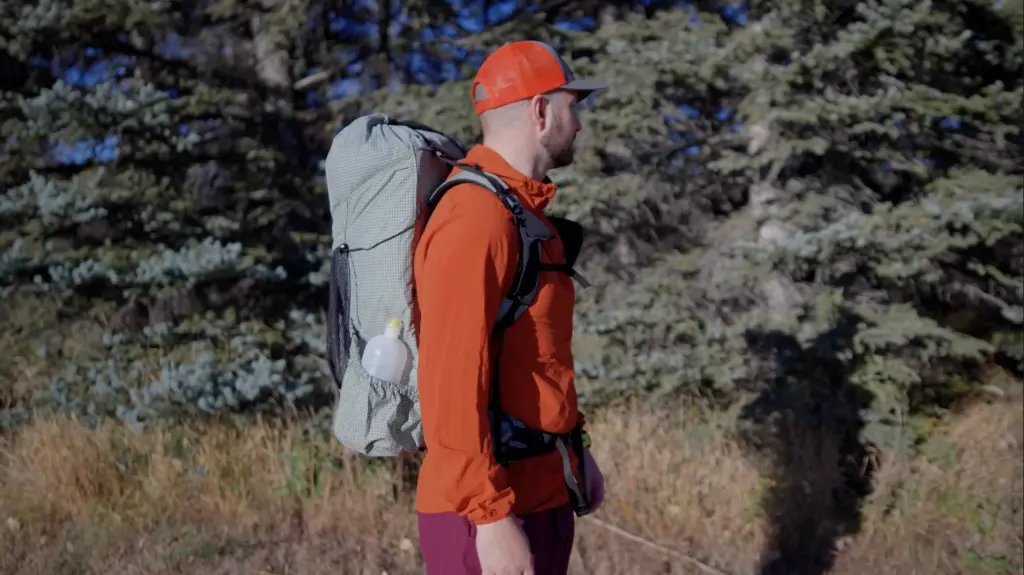
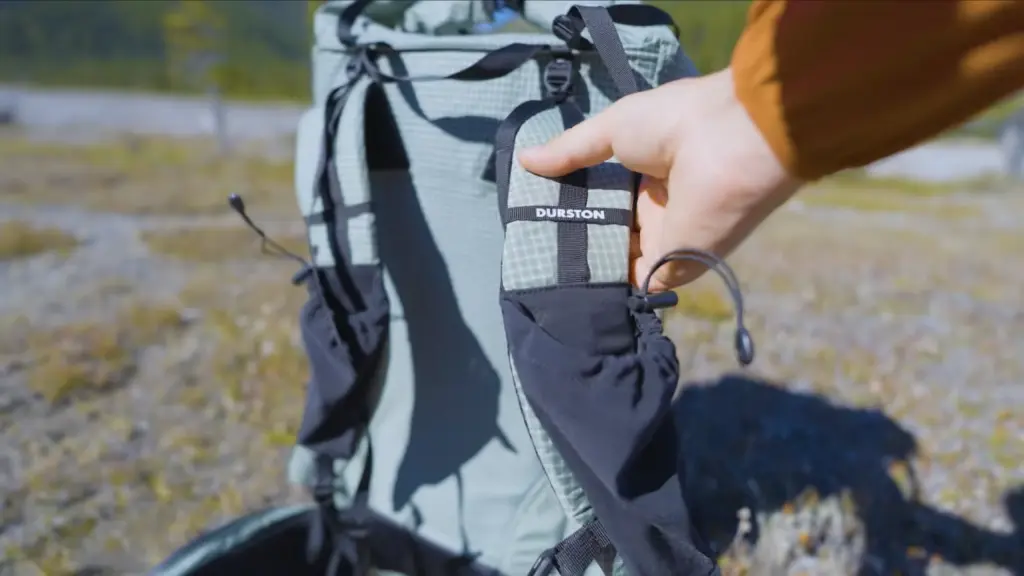
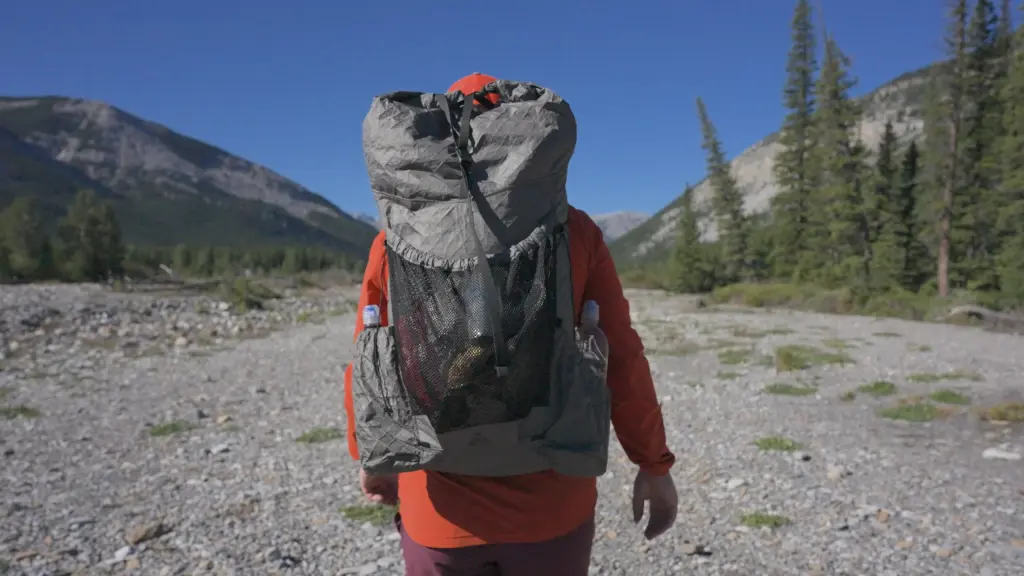
The large mesh front pocket fits a lot of gear and lets wet items dry.
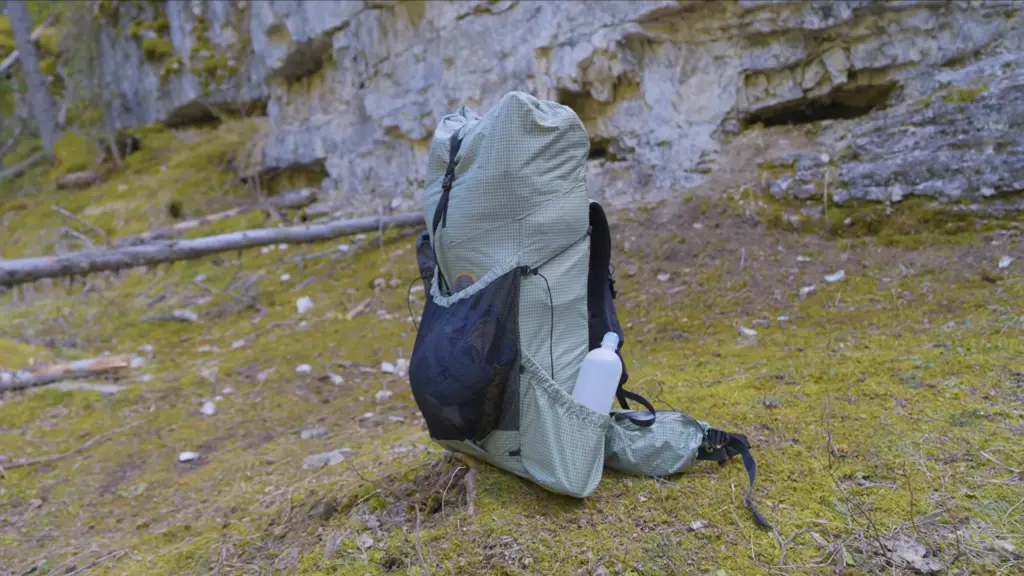
The right side pocket is designed for a water bottle.
I can reach back, grab the bottle, and put it back while hiking.
Two shoulder strap pockets come standard.
The mesh front pocket holds a lot of gear and lets wet items dry, shown here on the Ultra 200X version.
Access to items on the Durston Kakwa 55 is average for a lightweight pack, with one design choice I do not like. The size medium has a 55 L main compartment with a roll top closure and a hydration port for a water bladder. If your base weight is around 4.54 kg (10 lb), the Kakwa can fit about 10 days of food. The 55 L capacity also works well for shorter shoulder season trips and mild winter trips where bulkier gear is needed.
The Kakwa has two hipbelt pockets that can fit many snacks or a large phone - the zippers are very smooth and easy to open with one hand. Two shoulder strap pockets come standard and I keep bear spray in one and my satellite messenger, sunscreen, and lip balm in the other. The large front pocket is made from mesh and fits a lot of gear. The mesh lets wet items like a tent fly dry instead of holding in moisture like a stretchy spandex pocket.
The side pocket on the right is designed for a water bottle and I can easily reach back, grab the bottle and put it back while hiking. The left side has a taller pocket for items like tent poles and a zippered pocket inside it gives a secure place for items like keys. The left side pocket is a design choice I do not like. The hipbelt pockets already give me a secure zippered place for small items. I would prefer the left pocket to match the right so it could hold a water bottle. Instead I carry two water bottles on the right side which adds about 2.27 kg (5 lb) to one side of the pack and makes the load uneven.
I also wish the Kakwa had a bottom pocket. A bottom pocket makes it easy to pull snacks out of one side and put garbage in the other while hiking. It is one of my favorite access to item features.
Overall, the Kakwa 55 has decent organization for its weight. Many other packs with this many pockets weigh more and cost more.
Durability score: 8/10
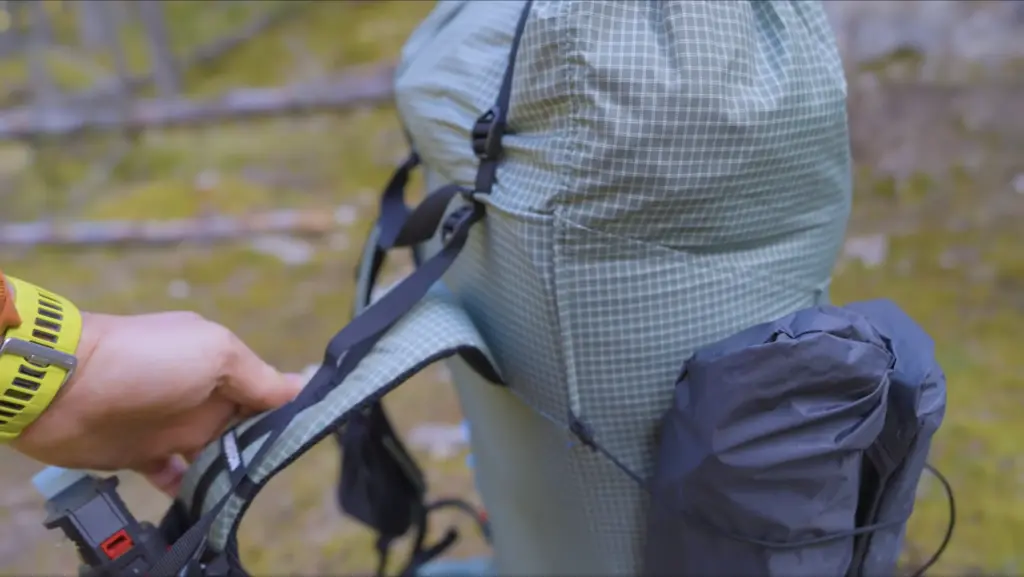
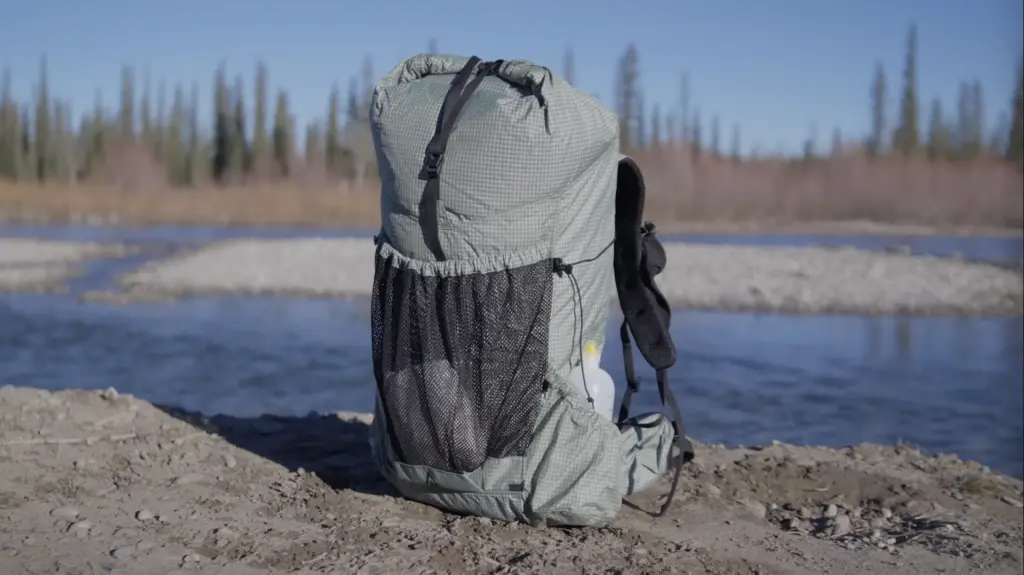
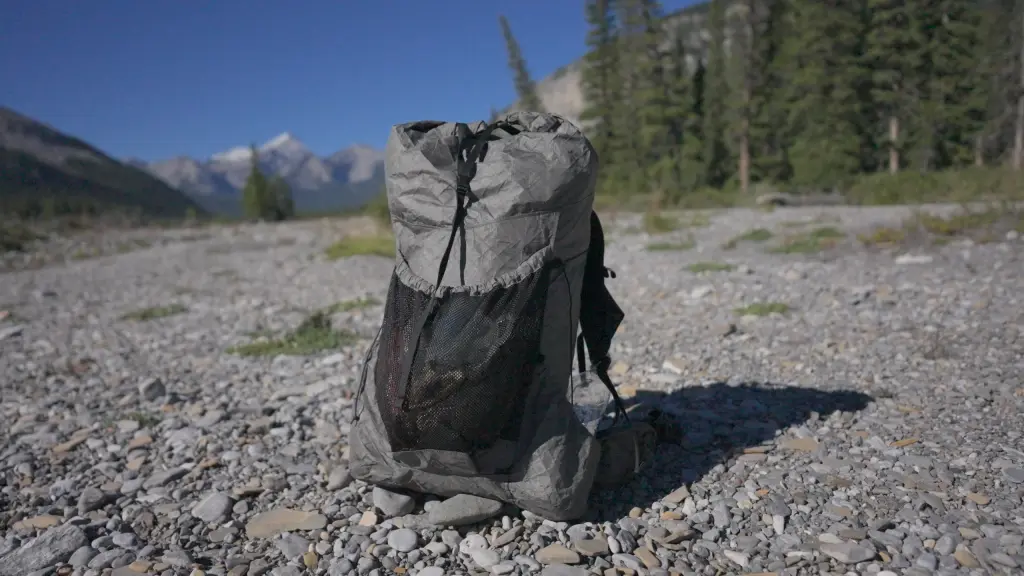
UltraGrid is a 210-denier nylon reinforced with a woven UHMWPE grid.
Neither of my Kakwa packs has any abrasion damage, rips, or tears.
The Ultra 200X version uses woven UHMWPE fibers laminated to a waterproof film, so it does not absorb water.
The Durston Kakwa 55 is durable for a lightweight pack. It comes in two fabric options: UltraGrid and Ultra 200X. The UltraGrid version is a 210-denier nylon with an ultra-high-molecular-weight polyethylene (UHMWPE) grid woven through it. UHMWPE is the fiber used in Dyneema and Spectra - the grid reinforces the nylon. The UltraGrid has a soft feel and does not crinkle like the Ultra 200X. The nylon absorbs some water in the rain and does not keep the inside of the pack as dry as the Ultra 200X. The Ultra 200X version is made mostly of woven UHMWPE fibers laminated to a waterproof film. It is more resistant to abrasion than the UltraGrid and does not absorb water. The Ultra 200X is the better choice for abrasive environments, such as canyoneering or dragging the pack over gritty ground and rocks. In other environments, the UltraGrid saves weight and costs less.
The Kakwa uses bound seams and the seams are not sealed on either version. Even with the waterproof Ultra 200X fabric, some water will get in at the seams.
Durability has not been an issue on either of my packs. Neither pack has any abrasion damage, rips, or tears, and all the seams are still strong. The design is simple, with few buckles and zippers that can fail. Some earlier Kakwa packs had hipbelt issues but Durston has continually reinforced the hipbelt on each new version, so I am not concerned about that area anymore.
The Kakwa is a lightweight pack, close to an ultralight pack. If you carry 27.2 kg (60 lb) in it every day for a long time, it will wear out quickly. For a handful of weekend trips each year, it will last a long time. It will also last a thru-hike of about six months or longer with loads of 9.07 to 13.6 kg (20 to 30 lb).
Durston sells the Kakwa 55 on its own website, where it has over 1,200 reviews and most are five stars. The few complaints include a hole worn in the bottom from carrying a bear canister there over rocks, and the zippered side pocket being hard to reach when the side pocket is full. The official warranty is one year and Durston has a history of supporting customers well when there is an issue with their gear.
Features score: 6/10
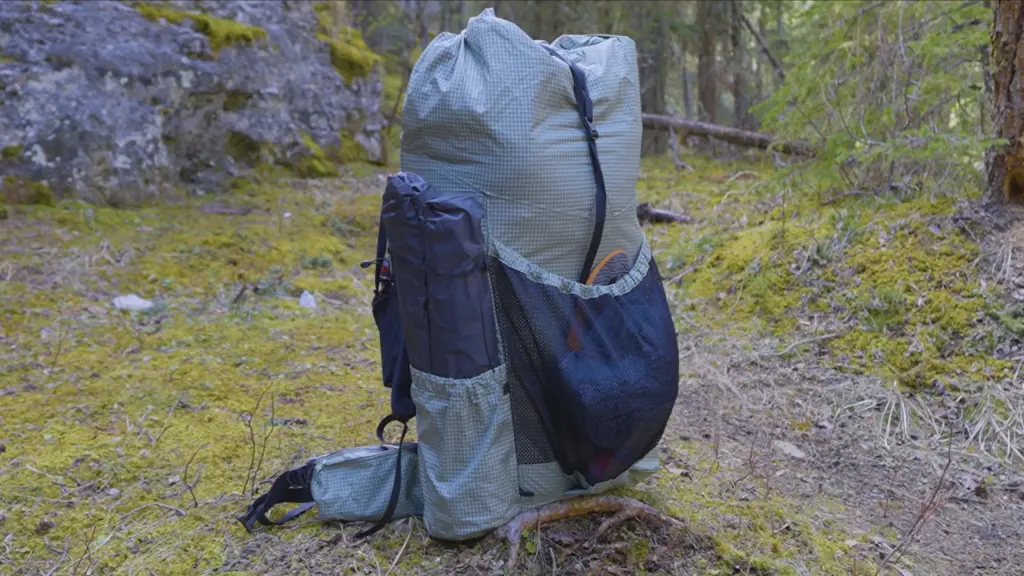
The tall left side pocket holds items like tent poles.
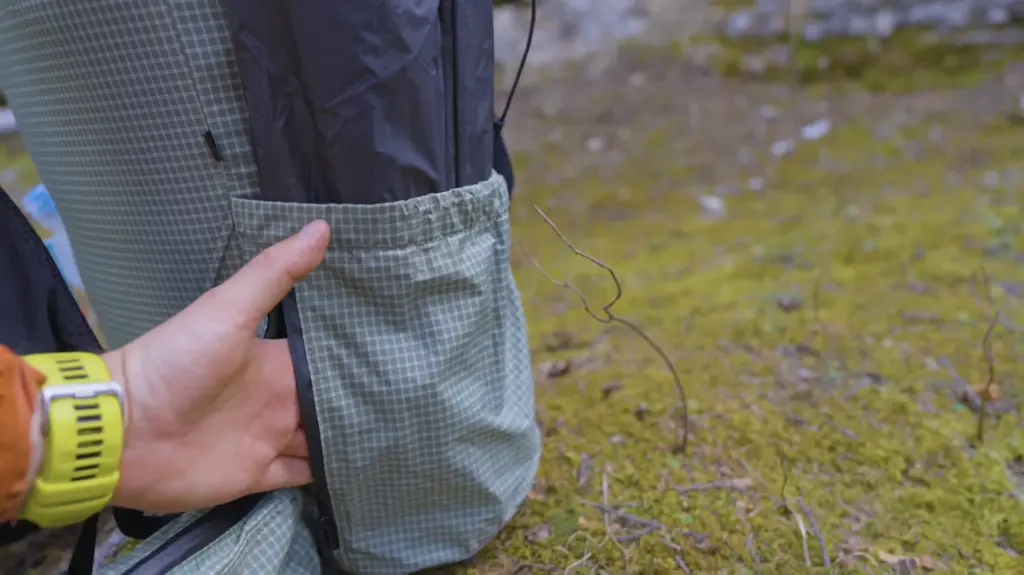
A zippered pocket inside the left side pocket gives a secure place for items like keys.
The Durston Kakwa 55 is a basic pack with a very polished design. Everything on the Kakwa works well and the pack is easy to use. It does not have a feature that stands out. The tall left side pocket with its zippered pocket is the most unique part of the design, but I do not find it useful.
The Kakwa has very little modularity. The frame and back panel are removable but very hard to put back in, so I do not recommend removing them. The shoulder strap pockets are permanently attached.
Weight score: 6/10

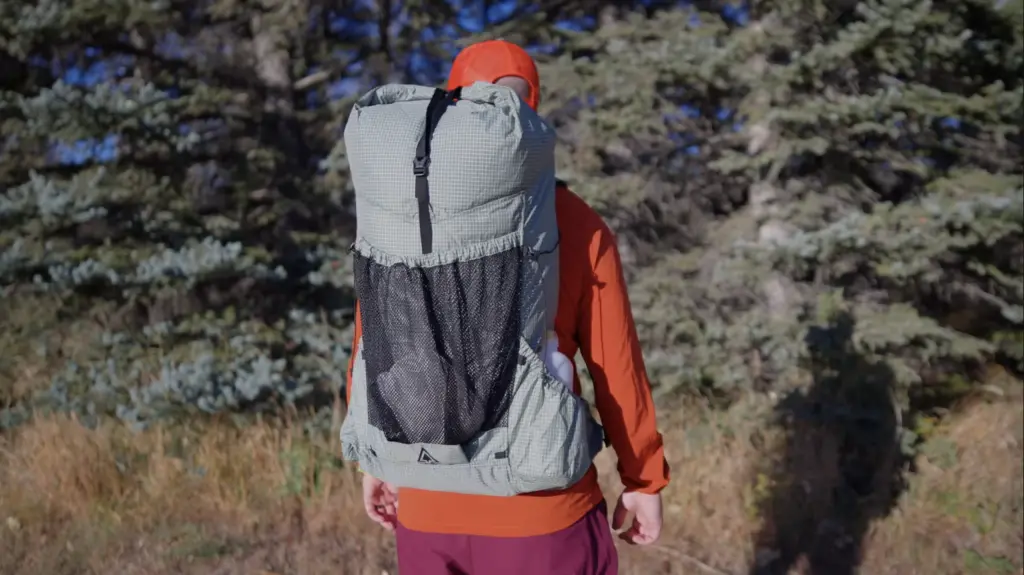
The Kakwa 55 is light enough for an ultralight overnight and carries heavier loads for longer trips.
The aluminum frame, foam back panel, and hipbelt make up most of the weight.
The Durston Kakwa 55 is very light for a framed pack. The size medium UltraGrid version weighs 870 g (1.9 lb) on my scale, which matches the advertised weight. The size medium Ultra 200X version has an advertised weight of 895 g (2 lb). The Kakwa weighs less than almost all packs it competes with. The aluminum frame, foam back panel, and hipbelt make up most of the weight, and they are also what make the pack comfortable. The Kakwa is not a super ultralight pack. Frameless packs without a hipbelt weigh closer to 400 to 500 g (14.1 oz to 1.1 lb).
Final Thoughts
The Durston Kakwa 55 excels at comfort, organization, and versatility for its weight. It weighs less and costs less than most of its competition, which makes it one of the packs I recommend most. The Kakwa 55 is a great choice for almost anyone who backpacks. It works for ultralight trips, heavy loads, thru-hikes, and light winter trips. The Kakwa is not the best choice for super ultralight trips, where a frameless pack is lighter. Because the torso does not adjust, getting the right size is the most important step. Double check the Durston sizing chart before you buy.
More Backpack Reviews
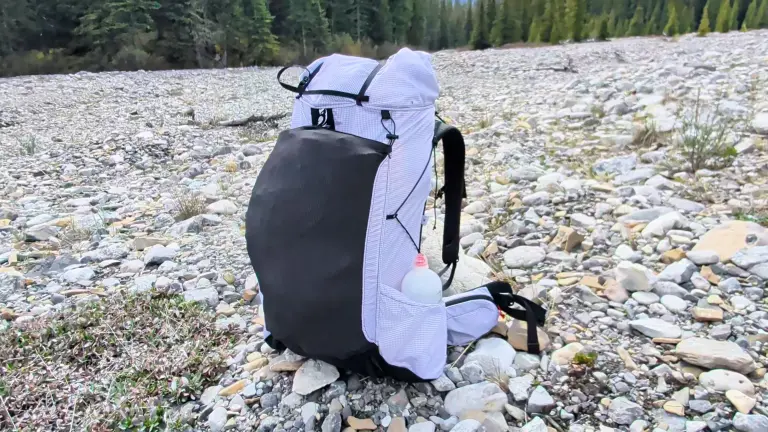
Outdoor Vitals Carbon Evo 50
Simple ultralight pack that will get the job done.
The Outdoor Vitals Carbon Evo 50 is an lightweight pack weighing 839g on my scale. It is a simple design consistenting of a rolltop main body,…
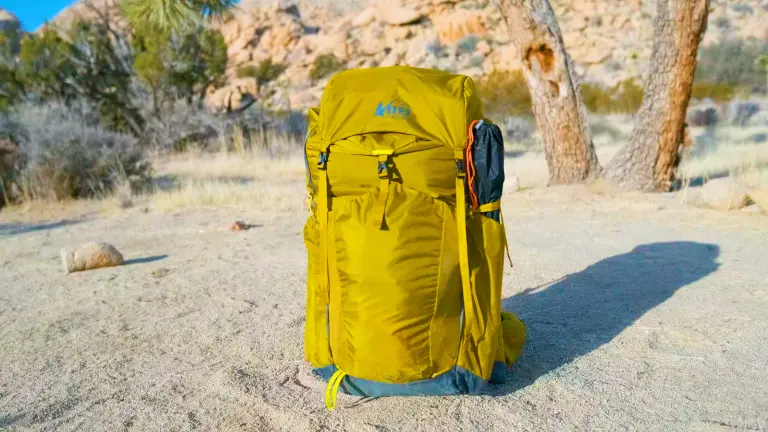
REI Flash 55
User-friendliness and heavy carrying capacity with a lot of fit adjustability.
The REI Flash 55 is the flagship backpacking pack sold under REI’s own brand. It is an excellent all-around pack that carries weight comfortably, has more…