
Six Moon Designs Lunar Solo
A roomy ultralight single-pole trekking pole tent at a budget price, with a pitch that takes practice.
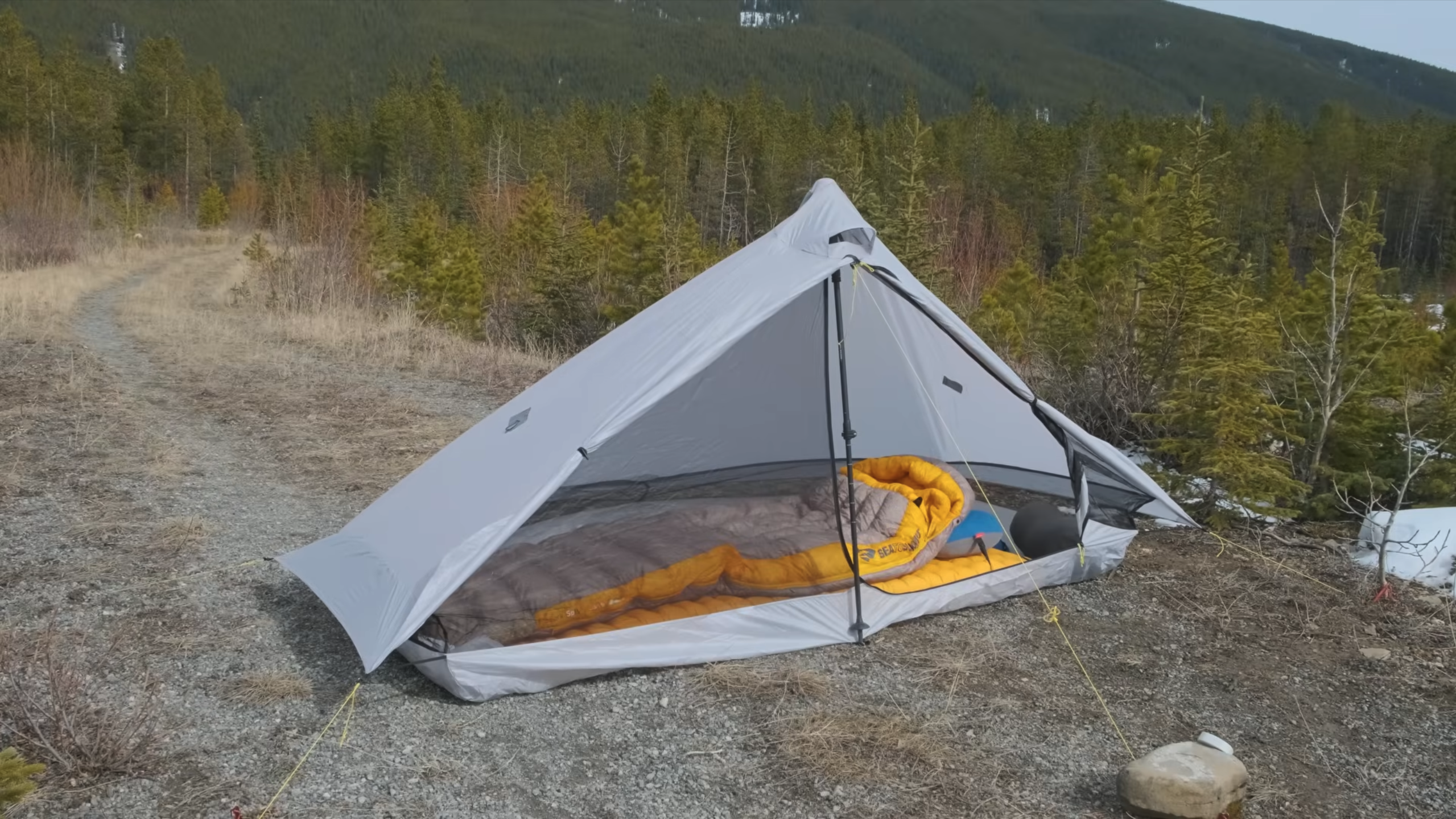
The Six Moon Designs Lunar Solo is a single-wall, one-person tent that pitches with one trekking pole. Six Moon Designs describes it as an ultralight tent with room for a hiker and their gear. After over 20 nights in the Lunar Solo in all types of conditions, including rain, snow, and wet ground, it has become one of my favourite solo backpacking tents. It is light, it is one of the widest one-person trekking pole tents available, and it costs far less than most ultralight tents. The tradeoff is setup and space.
Pros and Cons
Pros
- One of the widest one-person trekking pole tents available, with room for a long extra wide pad plus gear or a dog beside it.
- No tent poles to carry, so it is light and packs small.
- The polyester fly does not sag when wet, and the tall bathtub floor stopped all splashback in rain.
- A large peak vent and a mesh band above the floor keep condensation well controlled for a single-wall tent.
- The fly door slides on a prusik, so it can cover a pack in the vestibule while still letting air in.
- Costs far less than most ultralight tents.
Cons
- Hard to pitch well at first, taking about eight pitches before it went up right on the first try.
- The seams are not sealed from the factory and must be sealed before the tent is waterproof.
- Sloped walls limit headroom and make it hard to move around inside.
- A lot of mesh lets sand and snow blow in.
- The curved inner door zipper takes two hands.
• Inner tent (if applicable)
• Tent floor
• Poles (if applicable)
• Any pre-attached guylines
Tap outside the box to close
• Attached and optional included guylines
• Included tent stakes
• Poles (if applicable)
Tap outside the box to close
Weight score: 7/10
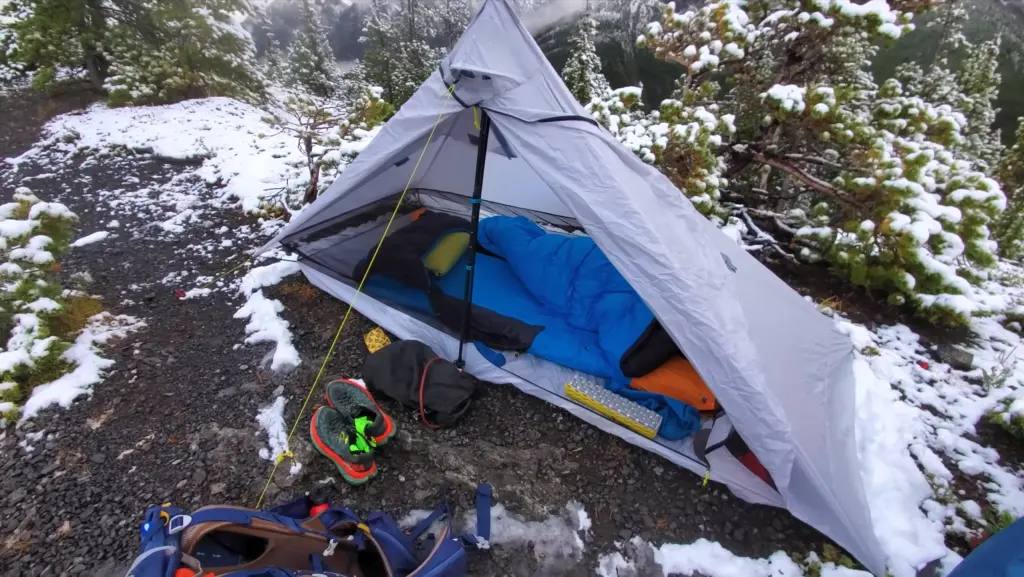
The Lunar Solo is light to carry into camp at just 740 g (1.6 lb).
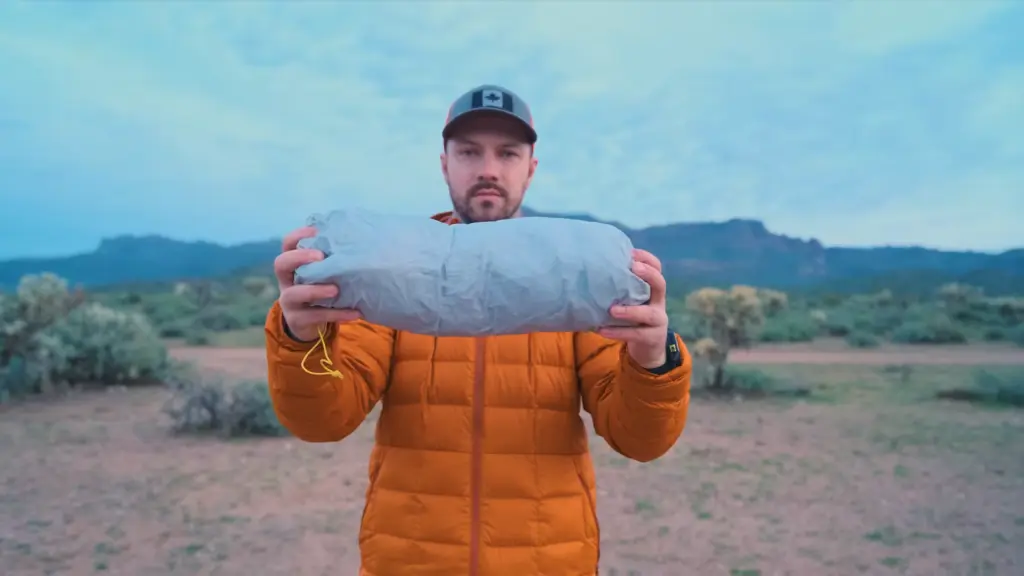
The tent is highly compressible and packs down nicely.
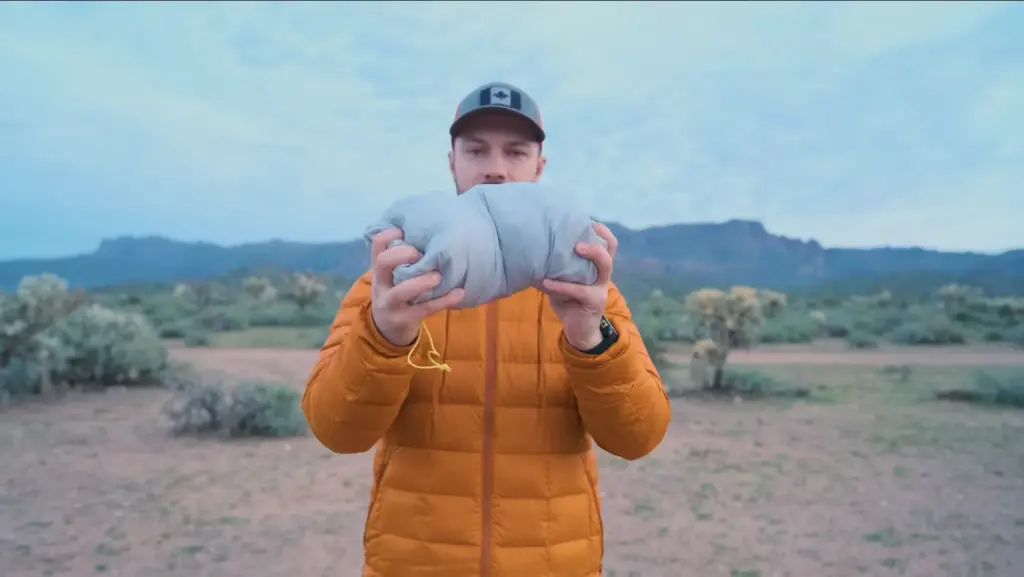
The tent packed down and compressed.
I tested the standard Lunar Solo with no optional pole and no footprint. On my scale, the tent weighs 740 g (1.6 lb), which matches the advertised weight. That weight does not include stakes or the trekking pole used to pitch it.
The Lunar Solo is light because it is a trekking-pole tent. It has no pole set of its own. A comparable tent with a full pole structure would weigh about 200 g (7.1 oz) to 300 g (10.6 oz) more. The 20-denier polyester fly and single-wall design also keep the weight low.
The tent packs to about 28 cm (11 in) by 11 cm (4.3 in) in its stuff sack. The Lunar Solo packs down small because it has no tent poles and its silpoly fabric is highly compressible. Because the only pole is a trekking pole, there is nothing rigid to store in or on the pack.
Ease of Use score: 7/10
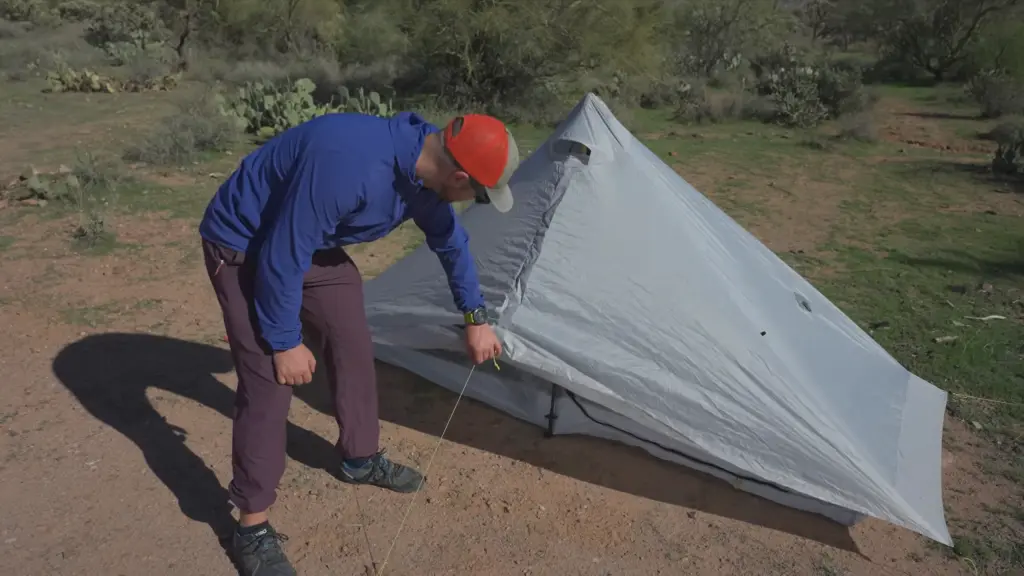
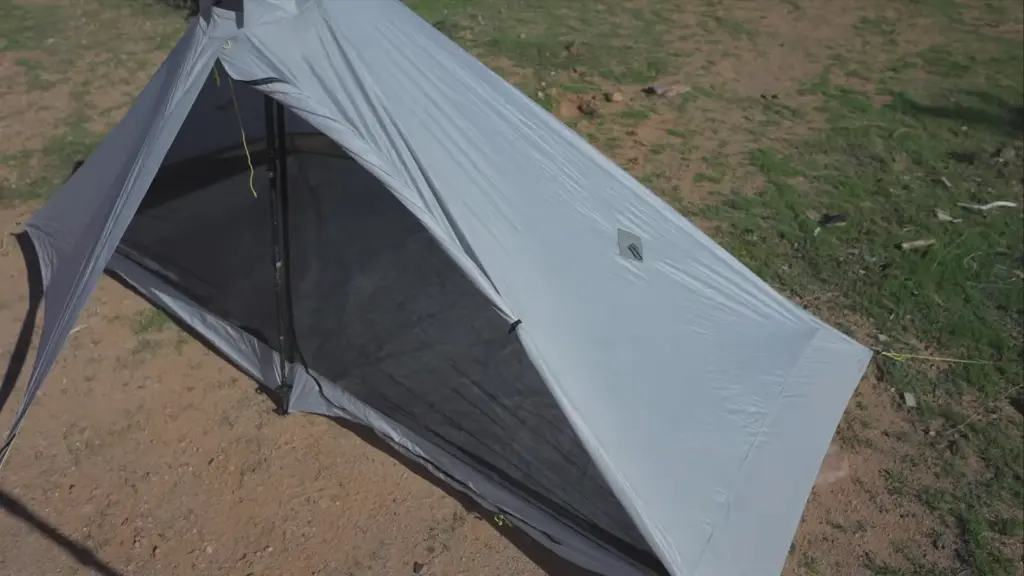
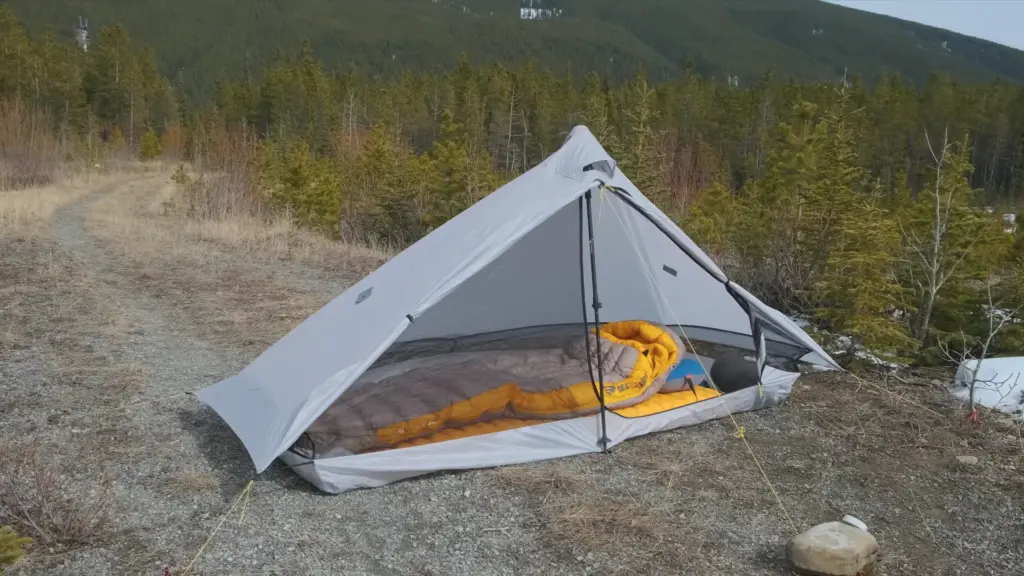
Sliding the prusik on the main guyline raises or lowers the fly door.
The L-shaped inner door stays off the ground when it is open.
The whole tent goes up as one piece around a single trekking pole at the peak.
The Lunar Solo is an all-in-one pitch. The floor and mesh are sewn to the fly, so the whole tent goes up as one structure around a single trekking pole. There is no separate inner and fly to pitch or to separate. The all-in-one pitch is the only way to set up the Lunar Solo. The benefit of an all-in-one pitch is that gear can be placed inside the tent before it goes up. In rain the inside of the tent stays dry during setup. All-in-one pitches are also simpler to set up than tents that require setting up multiple parts of the tent separately (e.g., inner first or fly first). The Lunar Solo needs a minimum of 6 stakes for setup.
The drawback is that the Lunar Solo is harder to pitch well than other single-pole trekking pole tents I have used. The trekking pole height, the angle and length of each guyline, and the tension on the whole tent all need to be right and each one affects the others. With most single-pole tents, I need two or three pitches to get the setup dialled in. The Lunar Solo took me about eight pitches before I could set it up correctly on the first try. Once I was familiar with the setup though, it was very fast. Single-pole trekking pole tents are one of the easiest types to set up. The trekking pole needs to be set to 125 cm (49.2 in) to pitch the tent at its full peak height. This is not a tent to take on a trip without pitching it at home first, because a first pitch in rain or wind will be frustrating. Those who are used to traditional tents may need some extra set ups before it becomes quick.
The tent has one L-shaped door in the mesh inner, on one side of the tent. The L-shape means the door does not fall to the ground when it is open. The two panels of the fly door tie back with elastic toggles that hold them tight and the fly door closes with a zipper. The fly door zipper can be operated with just one hand. The inner door zipper is curved so it takes two hands. Getting in and out of the tent is quite easy with the tall peak next to the pole.
The fly door also has a prusik knot on the main guyline that runs from the peak. Sliding the prusik up or down the guyline raises or lowers the fly door. This is my favourite feature of the door. The fly can be lowered all the way for full storm protection, raised part way to keep a pack in the vestibule covered while adding ventilation, or raised all the way for a view.
Stormworthiness score: 7/10
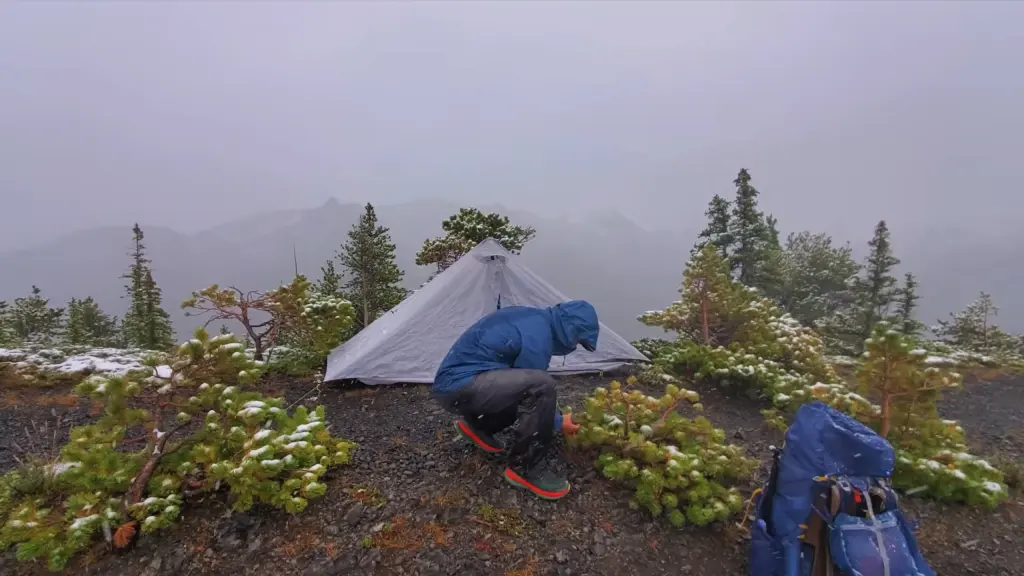
Steep walls deflect wind and the polyester fly stays tight in rain.
Stormworthiness consists of the ability of a tent to hold its structure in strong wind and how the tent performs in rain. The Lunar Solo is a hexagonal single-pole pyramid tent and its steep sloping walls deflect wind well. The tent has six stakeout points around the bottom edge of the fly and four optional guyout points on the fly walls. The guyout points help in wind but are not necessary in light to moderate wind. They do also open up the space inside the tent, so I usually use the optional guyout points even in calm conditions.
I have not fully tested the wind limit of the Lunar Solo, but I estimate that it can handle winds of over 80 km/h (50 mph). The pole structure of the tent is very strong. It is likely the cordage or tent material would fail first in strong winds. The best orientation for the tent in strong winds is either the head or foot end towards the wind. With the fly door lowered fully on its prusik, wind is blocked from the inside of the tent. The tent is made with a lot of mesh though, so sand and snow can blow in easily.
For rain, the fly is 20-denier silicone-coated polyester. Polyester absorbs very little water and does not sag or stretch when wet, which is a problem with nylon flies. The bathtub floor rises 15 cm (5.9 in) up the walls and I had no splashback in the rain. With the prusik set part way up the guyline, the fly door still covers a pack underneath it while the door is open. When the rain is coming straight down, the rain coverage with the door open is good. The noise in the tent in the wind and rain is minimal.
One thing to know before the first trip is that the Lunar Solo does not come seam sealed. The seams must be sealed with a silicone sealant before the tent is waterproof, either at home or by paying Six Moon Designs to seal them before shipping.
Condensation score: 7/10
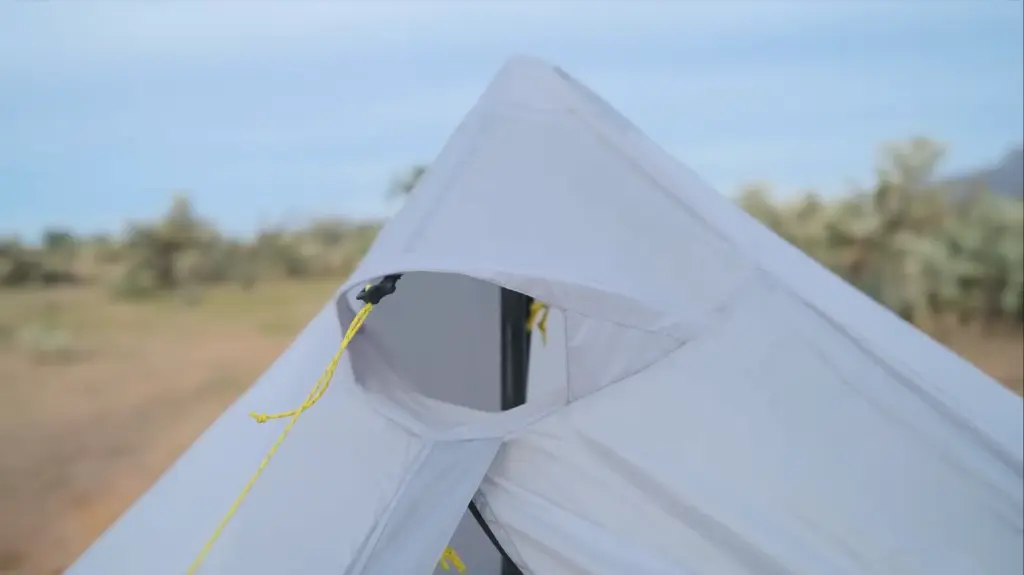
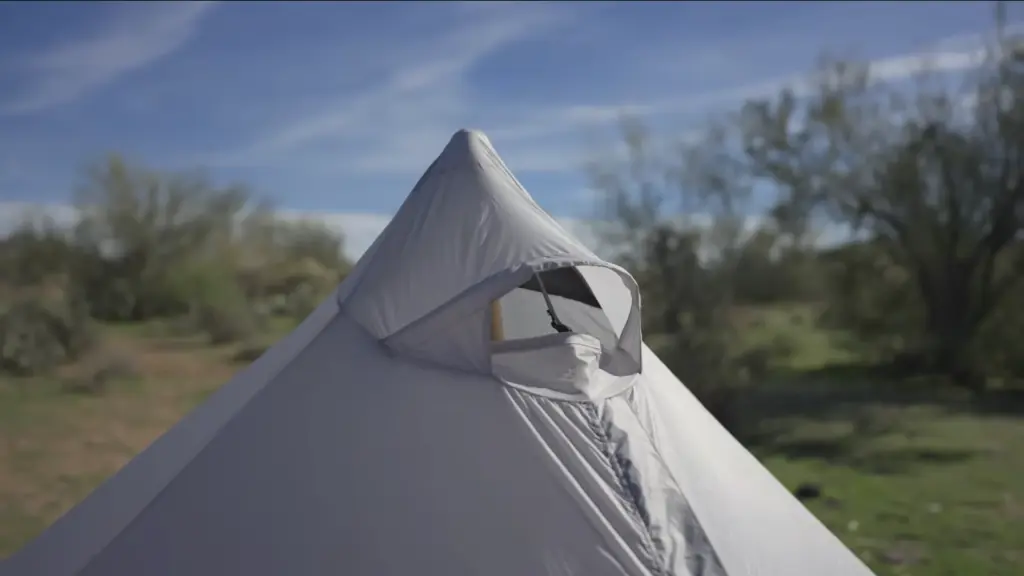
The Lunar Solo's unique 3D top vent.
One of the largest and most unique vent structures I have seen.
Condensation is less of a problem with the Six Moon Designs Lunar Solo than with other single trekking-pole tents I have used. The Lunar Solo is a single-wall tent, so there is no inner to provide a physical barrier between the sleeper and the fly. Any condensation forms on the inside of the fly itself. The tent reduces condensation with ventilation. There is one large vent at the peak with a three-dimensional structure that holds it open and allows a large amount of airflow. Above the bathtub floor, a 15 cm (5.9 in) band of mesh runs around the tent between the floor and the fly. The fly door can also be raised on its prusik to add ventilation without losing rain protection.
When condensation does form, the single-wall design makes it easy to wipe the inside of the fly with a cloth and the polyester dries quickly afterward. The same is true of rain on the outside of the tent. Overall, condensation on the Lunar Solo is well controlled for a single-wall tent.
Livability score: 5.5/10
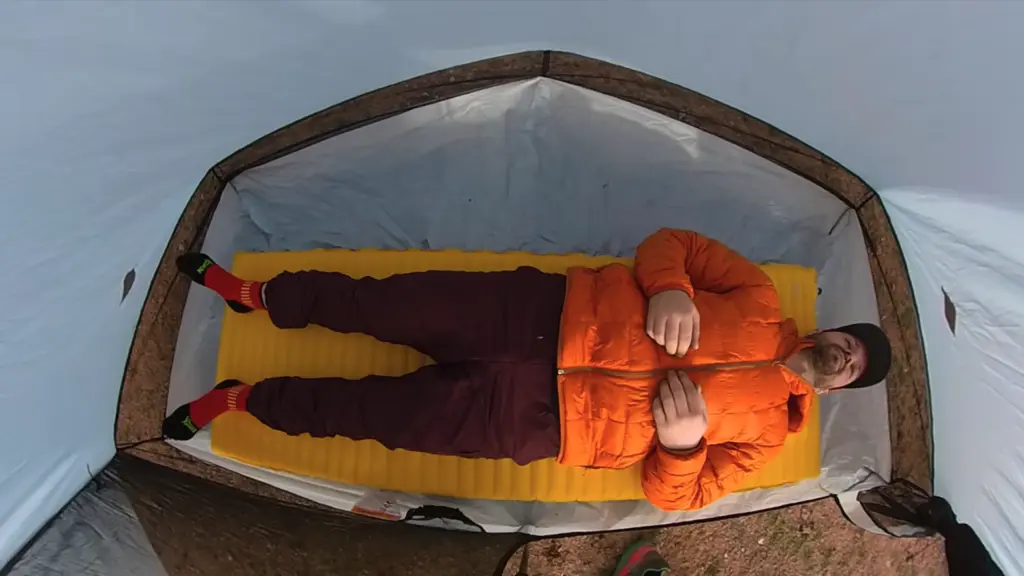
There is lots of room in the Lunar Solo for a large sleeping pad, gear, and maybe even a dog.
The doors fully opened provides exceptional views, airflow, and ease of getting in and out.
For livability, the Six Moon Designs Lunar Solo is closer to a one-and-a-half-person tent than a one-person tent. The floor is 228 cm (89.8 in) long and 121 cm (47.6 in) at its widest point. A wide sleeping pad fits with a large amount of space left over. A long extra wide pad, at 198 cm (78 in) by 76 cm (29.9 in), fits inside the Lunar Solo with room at the head, the foot, and the side. For a hiker backpacking with a dog, the Lunar Solo has room for a pad and a medium or even a large dog beside it.
The peak height is 124.5 cm (49 in) at the trekking pole. Because the tent pitches on one pole, the walls slope from the peak to the edges. I can only sit up in the middle of the tent by the trekking pole. The sloped walls also make it so the fly is close to my face when lying down. Moving around in the tent is difficult and, when there is condensation, it is difficult to avoid touching the walls. The tent has one mesh pocket for small items.
The vestibule under the fly door gives about 0.8 m² (8.6 sq ft) of covered space. There is plenty of room in the vestibule for a backpack and shoes - even a fully assembled camp chair. Overall, the Lunar Solo can handle a storm, but it is not a comfortable tent to wait out a storm in because of its limited headroom.
Durability score: 9/10
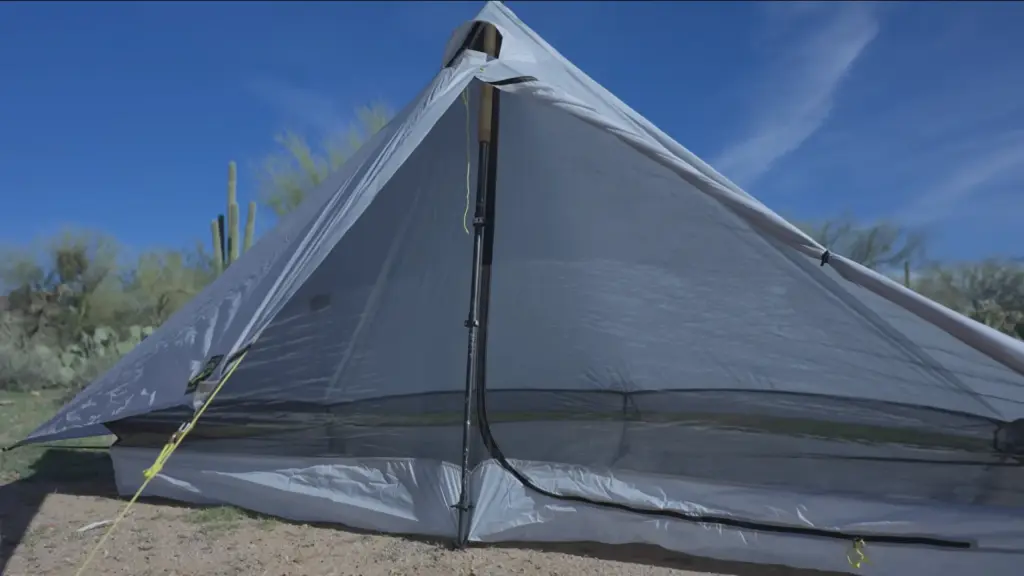
The Lunar Solo uses strong materials and good quality zippers.
The floor floats inside the fly instead of being sewn tight to it, which reduces stress on the floor.
Durability is good for the Six Moon Designs Lunar Solo. The fly is 20-denier silicone-coated polyester and the floor is 40-denier silicone-coated polyester. The zippers are #3 YKK. The floor is a floating floor, which means it is not sewn tight to the fly. Six Moon Designs says this reduces stress on the floor and lowers the chance of punctures. The sewing quality is good, as is the durability of the accessories. Because the Lunar Solo is a one-person tent that pitches on one trekking pole, there is redundancy when using two trekking poles if one of your trekking poles breaks.
Six Moon Designs has made the current version of the Lunar Solo since 2019 and the company has been building ultralight shelters since 2002. Of the roughly 300 reviews on the Six Moon Designs site, at the time of writing, there are almost no durability issues reported. Six Moon Designs backs its tents with lifetime product support for repairs. The one construction item to keep an eye on is seam sealing. The seams are not sealed from the factory and a poor sealing job will leak.
Final Thoughts
The Six Moon Designs Lunar Solo excels at livability and weight for the price. It is one of the widest one-person trekking pole tents available, it weighs well under a kilogram, and it costs far less than most ultralight tents. It is for the solo hiker who wants extra room, or who hikes with a dog, and who is willing to practice the pitch at home before the first trip. The Lunar Solo is a very strong option for ultralight trips.
How it compares
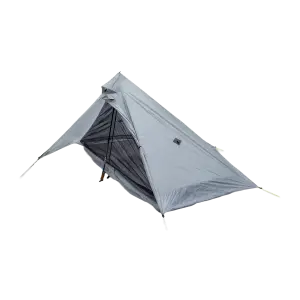 Six Moon Designs Lunar Solo Six Moon Designs Lunar Solo |
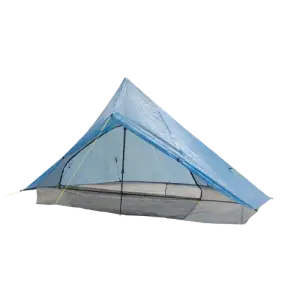 Zpacks Plex Solo Lite Zpacks Plex Solo Lite |
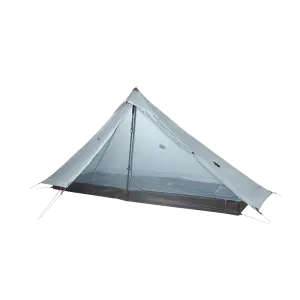 3F UL Gear Lanshan 1 Pro 3F UL Gear Lanshan 1 Pro |
|
|---|---|---|---|
| Trail weight (measured)×Trail weight• Tent fly • Inner tent (if applicable) • Tent floor • Poles (if applicable) • Any pre-attached guylines Tap outside the box to close |
740 g (1.6 lb) | 334 g (11.8 oz) | 671 g (1.5 lb) |
| Packed weight (advertised)×Packed weight• Entire tent structure • Attached and optional included guylines • Included tent stakes • Poles (if applicable) Tap outside the box to close |
740 g (1.6 lb) | 357 g (12.6 oz) | 788 g (1.7 lb) |
| Capacity | 1-person | 1-person | 1-person |
| Peak height | 124.5 cm (49 in) | 132 cm (52 in) | 125 cm (49.2 in) |
| Interior space | 2.4 m² (25.8 sq ft) | 1.91 m² (20.6 sq ft) | 2.07 m² (22.3 sq ft) |
| Setup | Trekking Pole | Trekking Pole | Trekking Pole |
| Overall Rating | A- | A- | B+ |
| Weight score | 7/10 | 8/10 | 7/10 |
| Ease of Use score | 7/10 | 7/10 | 6/10 |
| Stormworthiness score | 7/10 | 7.5/10 | 7/10 |
| Durability score | 9/10 | 8.5/10 | 9/10 |
| Livability score | 5.5/10 | 5/10 | 4.5/10 |
| Condensation score | 7/10 | 6/10 | 6/10 |
| Check price | Check price | Check price |
The tents I would compare the Six Moon Designs Lunar Solo to are the Zpacks Plex Solo Lite and 3F UL Gear Lanshan 1 Pro. Both comparables are single trekking pole one person tents with the Plex Solo costing significantly more while weighing significantly less. The Lanshan 1 Pro is a similar weight but less expensive and has less internal space than the Lunar Solo. All three options are excellent and which one to choose depends on how you prioritize price, weight, and space.
More Tent Reviews
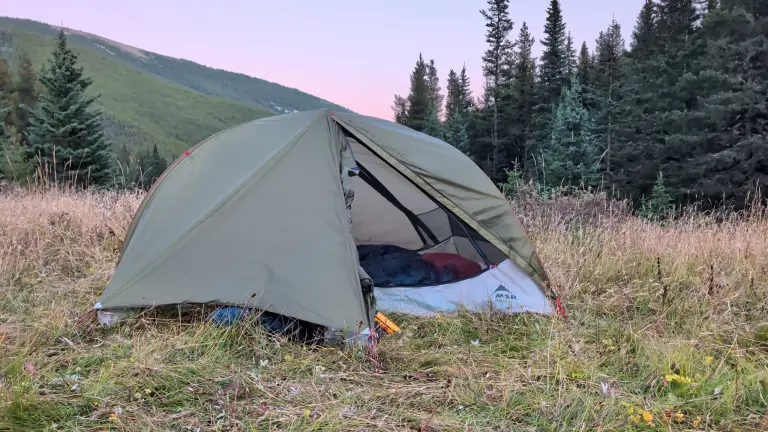
MSR FreeLite Stash 2P
Light and compact semi-freestanding true 2-person tent with lots of good livability.
The MSR FreeLite Stash 2P is a 2-person double walled semi-freestanding tent meant for lightweight backpacking trips. The trail weight for the tent is ## on…
Durston X-Dome 2
Roomy, versatile, and light two-person fully freestanding tent that can handle a big storm.
The Durston X-Dome 2 is a double walled, fully freestanding two-person tent. Durston claims it provides unprecedented space and protection for its weight. I have tested…
NEMO Dragonfly OSMO 2P
A roomy, easy-living freestanding tent for two, with a tapered floor that limits pad choice.
The NEMO Dragonfly OSMO 2P is a double-walled, freestanding two-person tent. It has a wide crossbar, tall doors, and generous interior space. NEMO says it is…