
Therm-a-Rest NeoLoft
One of the most comfortable backpacking pad I have used, with a weight and stability tradeoff.

Therm-a-Rest describes the NeoLoft as a combination of the comfort of car-camping mattresses with the weight and packed size of an ultralight backpacking pad. After more than 30 nights on it in the backcountry, the comfort claim is accurate; but, two issues keep it from being an easy recommendation for everyone and this review covers both and who the pad is ultimately for.
Available Sizes
Scroll sideways to see every size.
Comfort score: 8/10
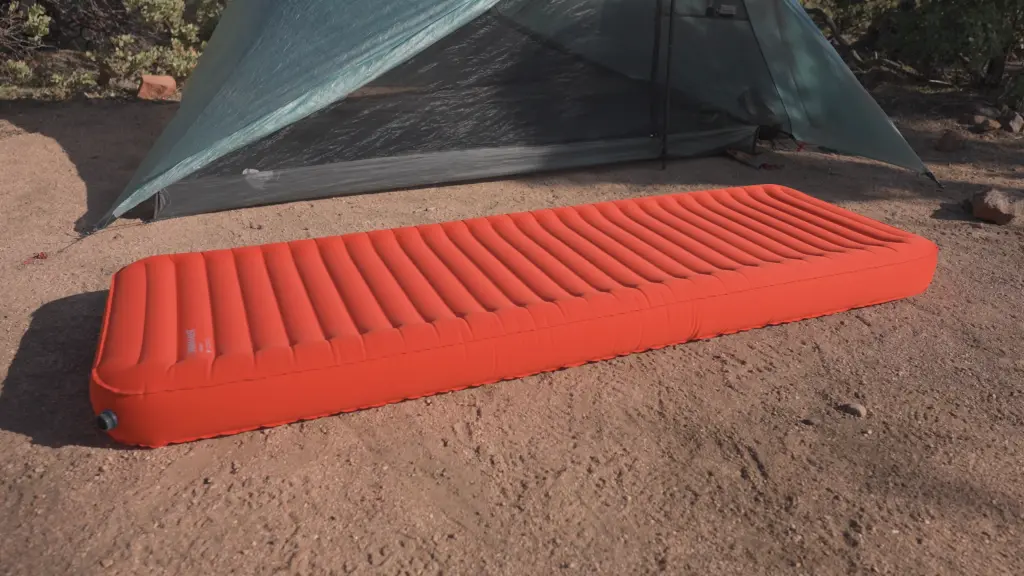
The raised side walls that help keep you centered.
Comfort is a strength for the Therm-a-Rest NeoLoft. Two design features are responsible:
1. The pad is 11.7 cm (4.6 in) thick, so bottoming out with a hip or shoulder does not happen unless a large amount of air has been released. There is enough thickness to release some air for added pressure relief without contacting the ground. The NeoLoft uses a 3D construction with sidewalls instead of the traditional sandwich-style construction seen in most pads. The edges of the pad are slightly thicker than the middle, which helps keep you centred and makes the pad feel wider than its measured width.
2. The top material is a stretch knit that is soft and stretchy. I sink into the NeoLoft when I lie down, with minimal pressure on my hip and shoulder when laying on my side. The softness of the top material makes it comfortable to lay on the pad with bare skin.
The combination of the thickness and the stretchy top material makes the NeoLoft an amazing pad for pressure relief. It works for back, stomach, and side sleepers, and most people would find it among the most comfortable backpacking pads they have slept on.
Stability is a weak point for the NeoLoft. Fully inflated, the NeoLoft is decently stable. But when some air is released, it becomes less stable; especially near the edges, where it can feel like rolling off is possible. The lack of stability is also noticeable when shifting positions (e.g., from side to back sleeping), where it moves like a waterbed and feels “balloony”. People under 81 kg (180 lbs) might not notice the lack of stability while it will be more noticeable for those over 81 kg (180 lbs). If comfort is the top priority and some movement in the pad is not a concern, the NeoLoft is an excellent choice.
Warmth score: 5/10
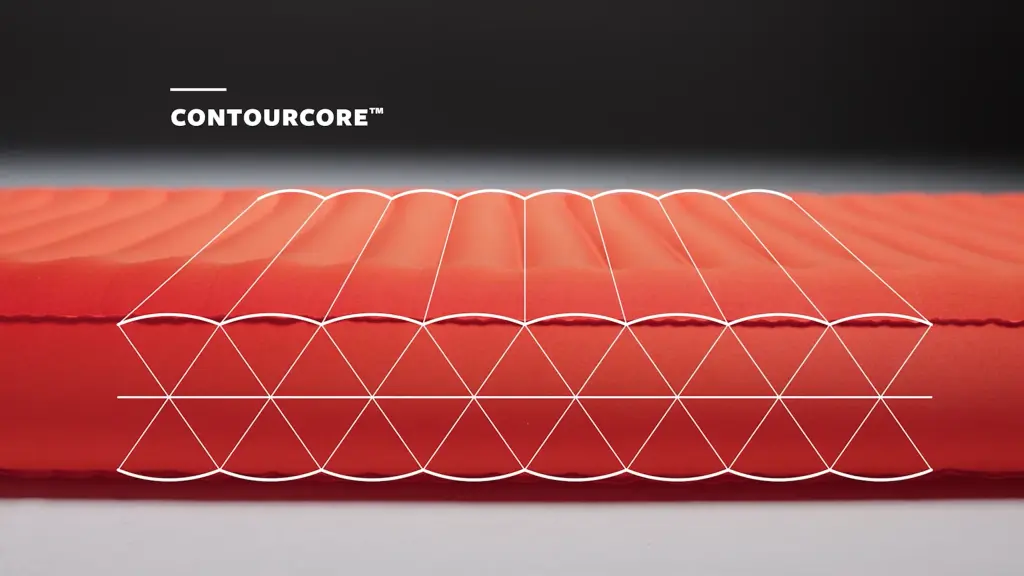
Contourcore's convective heat-loss layer.
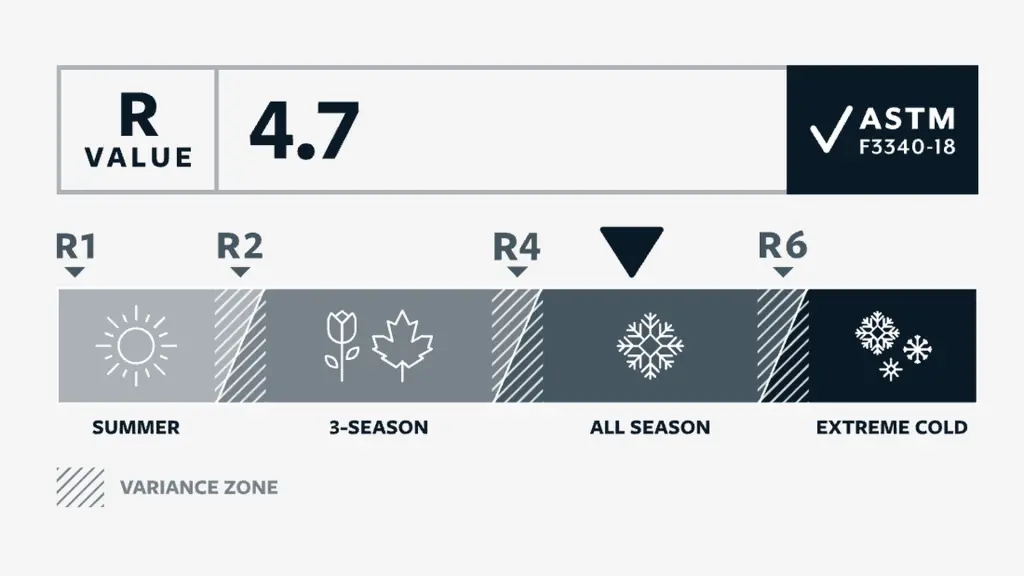
Therm-a-Rest scale puts this pad dead-center in their all season category which I didn't find to be quite accurate.
For warmth, Therm-a-Rest markets the NeoLoft as an all-season pad with an ASTM-tested R-value of 4.7. Two technologies provide insulation for the pad: the ContourCore Matrix and Thermacapture. The ContourCore Matrix is a baffle structure that limits air movement inside the pad and reduces convective heat loss. ThermaCapture is a reflective film suspended in the pad that reduces radiative heat loss.
I found the warmth limit to be right at freezing (0°C [30°F]) on warm ground. Reports of people sleeping cold on the NeoLoft are common online with most of those reports coming from use below freezing. The reason the NeoLoft sleeps colder than expected based on the lab-tested R-value is the thickness of the pad. Like other large, thick pads, the NeoLoft has more surface area exposed to cold air and loses more heat than a smaller pad with the same R-value. In my testing it performs like a three-season pad rather than an all-season pad. An R-value of 4.7 should be warm enough for temperatures a little below freezing, so for anyone using the pad in those conditions, the warmth is slightly disappointing.
Weight and Packability score: 3/10
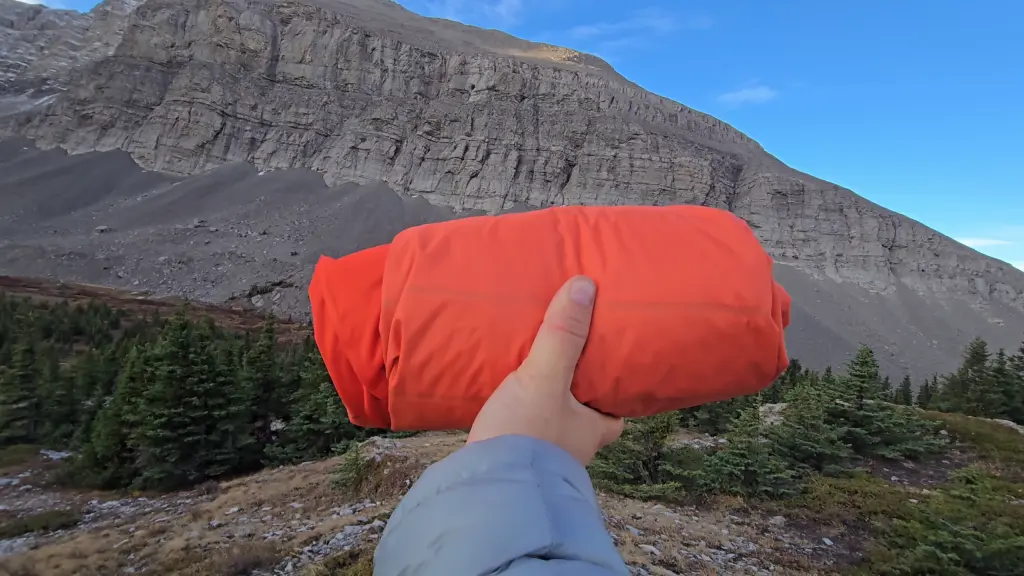
Packed down and ready to go.
The Therm-a-Rest NeoLoft is a heavy pad for backpacking. The regular wide rectangular version weighs 833 g (1.8 lb) on my scale, which is below the advertised 850 g (1.9 lb). For a comfort-focused pad, the NeoLoft is on the heavier end of the category, but it is lighter than its two closest competitors: the Exped MegaMat Ultra weighs 880 g (1.9 lb) and the Big Agnes Campmeister Deluxe Insulated has an advertised weight of 907 g (2 lb) for the regular wide sizes. When I first saw the NeoLoft, I expected it to weigh over 1,000 g (2.2 lb) based on its size and comfort focus. Most of the weight comes from the features that provide comfort.
The pack size of the NeoLoft is larger than most other backpacking pads but, like the weight, smaller than you’d expect for its inflated size. The regular wide size packs to about 29 cm (11.4 in) by 15 cm (5.9 in). The weight and packed size are the cost of the comfort.
Ease of Use score: 4/10
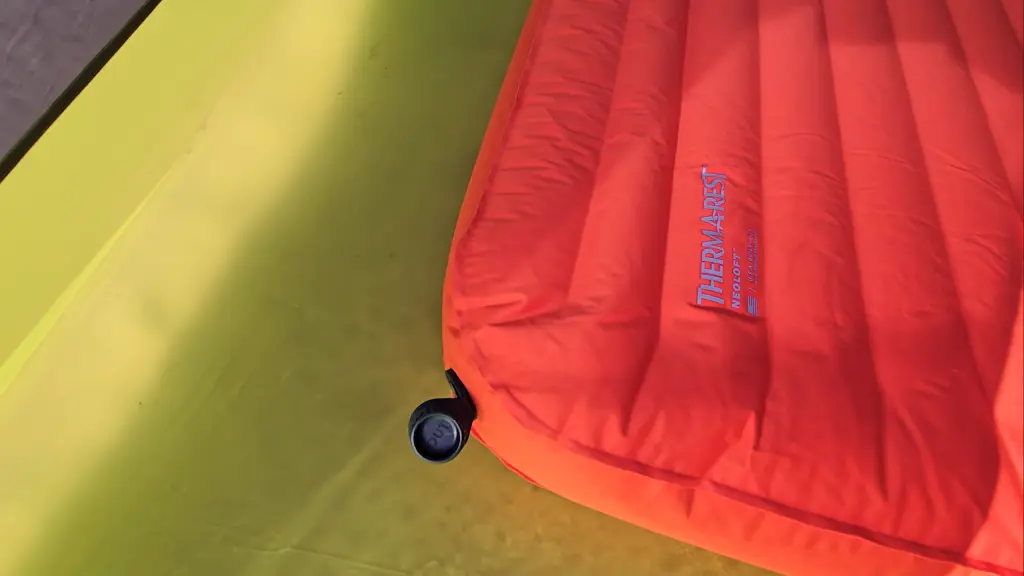
The NeoLoft's dedicated deflation valve.
Ease of use is mediocre for the Therm-a-Rest NeoLoft. The NeoLoft used two valves for the pad, which Therm-a-Rest's calls the TwinLock system. One valve is a one-way valve at the outside corner of the headend of the pad that allows you to inflate the pad. The second valve is at the opposite corner and fully opens up for deflation of the pad. Inflation and deflation are fast, making it easy to set up the pad and fold and roll it to put it away. Adjusting firmness while lying on the NeoLoft is difficult because you have to slightly open up the deflation valve. But if you accidentally open it up too much, you will release all of the air from the pad. While the two-valve system is a benefit for such a large pad, it does add weight and a second possible failure point compared to a single valve.
The included pump sack has the same weakness I have found with other Therm-a-Rest pump sacks. It tends to detach from the valve during use and loses air through its seams. The pad is compatible with battery-powered inflation pumps, which is my preferred method for inflation.
Durability score: 6/10
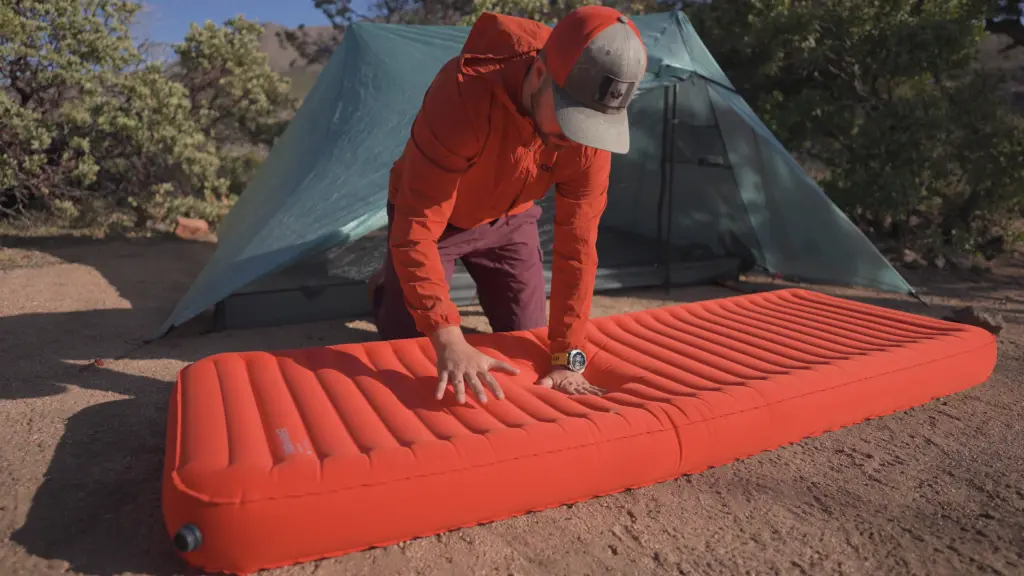
The unit that developed a slow overnight leak.
Durability is a concern with the Therm-a-Rest NeoLoft. The pad uses a 50-denier polyester knit top and a 75-denier polyester bottom. Therm-a-Rest has more than five decades of experience making sleeping pads and is one of the most reliable brands in the category, which makes the problem with my unit more surprising. It developed a slow leak that I could not locate, losing air overnight even when left inflated in my house. This happened after 20 to 30 nights of use, which is early for a pad at this price. Therm-a-Rest replaced it under its lifetime warranty without difficulty and across other review sites and retailer reviews, I have not seen widespread reports of leaks or durability issues with the Neoloft. Every pad will experience manufacturing defects and my experience seems like it may be a case of receiving a defective unit rather than a pattern to be concerned about. But stretch fabric use in backpacking sleeping pads is a relatively new development and durability with the technology is something to keep an eye on.
Noise score: 10/10
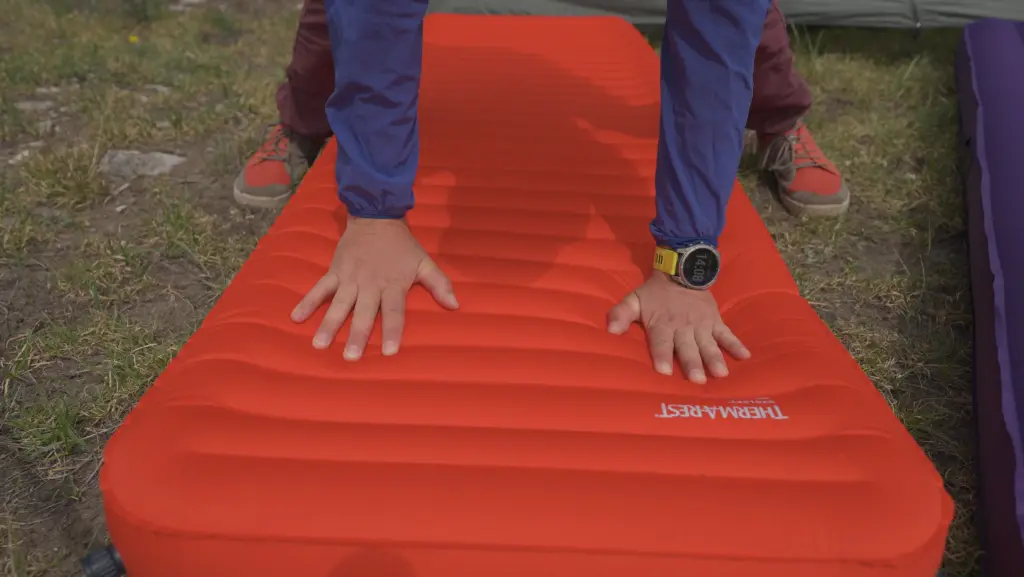
Dead quiet through dozens of nights of use.
Noise is not a concern with the Therm-a-Rest NeoLoft. The two components that usually make a pad noisy are internal reflective films, which can crinkle, and the outer material, which can squeak on tent floors. On the NeoLoft, the stretch-knit top does not result in any noise on tent floors or other objects it may rub against. The layer of reflective film inside the NeoLoft does not crinkle or produce any noticeable noise. The NeoLoft is one of the quietest pads I have used.
Final Thoughts
The Therm-a-Rest NeoLoft excels at comfort and noise. It is for anyone who prioritizes the comfort that the best-in-class pressure relief from the stretchy top material provides. The compromise with the NeoLoft is weight, pack size, and stability. It is currently the favourite pad of both my wife and my dad, and many other people feel the same.
How it compares
 Therm-a-Rest NeoLoft Therm-a-Rest NeoLoft |
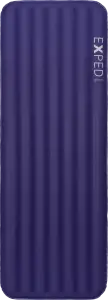 Exped MegaMat Ultra Exped MegaMat Ultra |
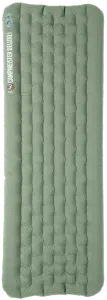 Big Agnes Campmeister Deluxe Insulated Big Agnes Campmeister Deluxe Insulated |
|
|---|---|---|---|
| R-value | 4.7 | 4.4 | 7 |
| Weight | 833 g (1.8 lb) (Regular Wide, Rectangular, as tested) | 880 g (1.9 lb) (Regular Wide, Rectangular, as tested) | 992 g (2.2 lb) (Long Wide, Rectangular, as tested) |
| Thickness | 11.7 cm (4.6 in) | 10 cm (3.9 in) | 8.9 cm (3.5 in) |
| Overall Rating | B- | A- | B- |
| Comfort score | 8/10 | 9/10 | 7/10 |
| Warmth score | 5/10 | 6/10 | 7/10 |
| Weight score | 3/10 | 3/10 | 1/10 |
| Ease of Use score | 4/10 | 6/10 | 6/10 |
| Durability score | 6/10 | 10/10 | 8/10 |
| Noise score | 10/10 | 10/10 | 8/10 |
| Check price | Check price | Check price |
The closest comparison to the NeoLoft is the Exped MegaMat Ultra. The stretch-knit top on the NeoLoft is stretchier and provides better pressure relief but the MegaMat Ultra is a more stable pad. Both are excellent and the choice depends on whether the priority is the NeoLoft's stretch top or the MegaMat Ultra's stability.
More Sleeping Pad Reviews
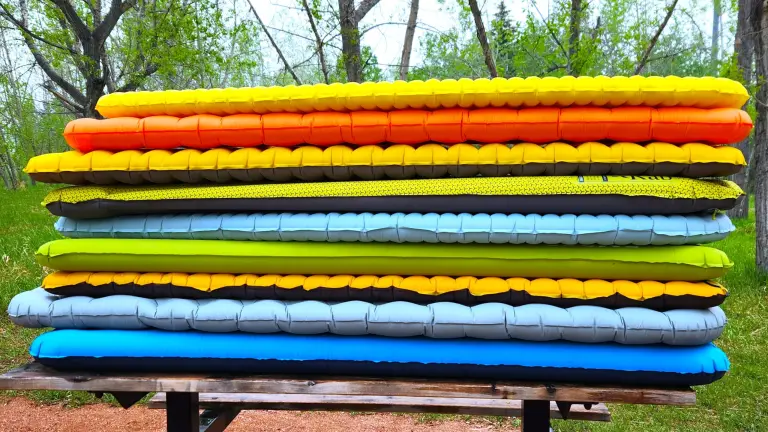
Best Backpacking Sleeping Pads – 2026 Awards
Seven categories. Seven winners.

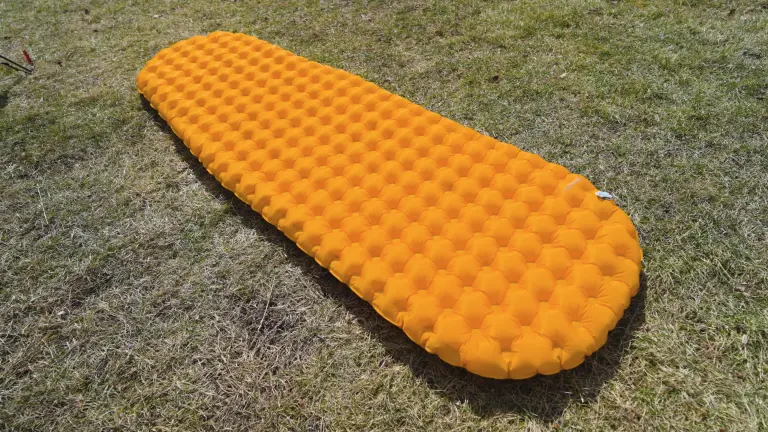
Bestway Ridgelite
Best budget pad on the market: warm, comfortable, and easy to use.
Bestway describes the Ridgelite as warm, comfortable, and light. During over 12 nights of testing, I have been warm below freezing and had comfortable sleeps on…
Exped Ultra 10R
Does one of the highest ASTM-tested R-values translate to real world warmth?
The Exped Ultra 10R has one of the highest ASTM-tested R-values ({{exped-ultra-10r:r-value}}) I have seen with a pad under [gp_measure value="1" unit="kg"]. Exped claims that the…