
Best Backpacking Gear of 2026
Sixteen categories. Sixteen winners.
Over the last year the team at GearPriority spent more than 100 days out in the cold, rain, and wind testing sleeping pads, tents, packs, and everything else you need to go on backpacking trips. Which pads are the best? Which packs stand out? Which sleeping pad pump is the one to buy? Here are the winners in every main category.
Durston Kakwa 55 UltraGrid
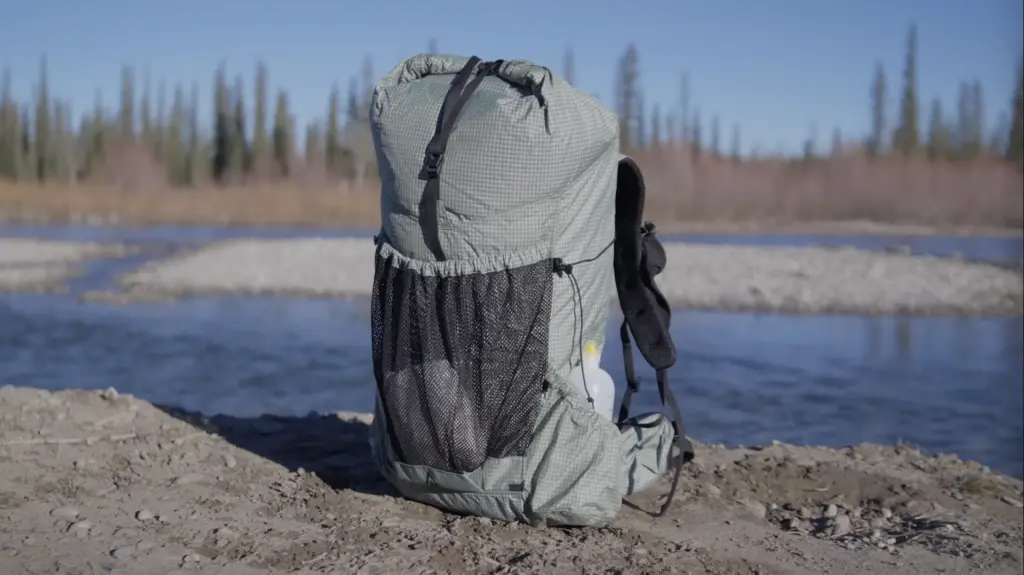
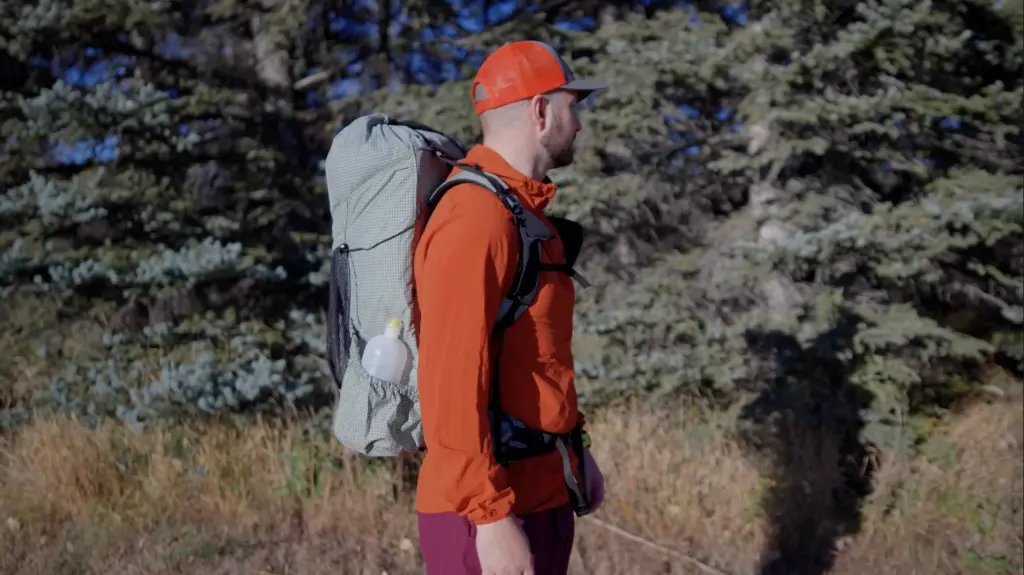
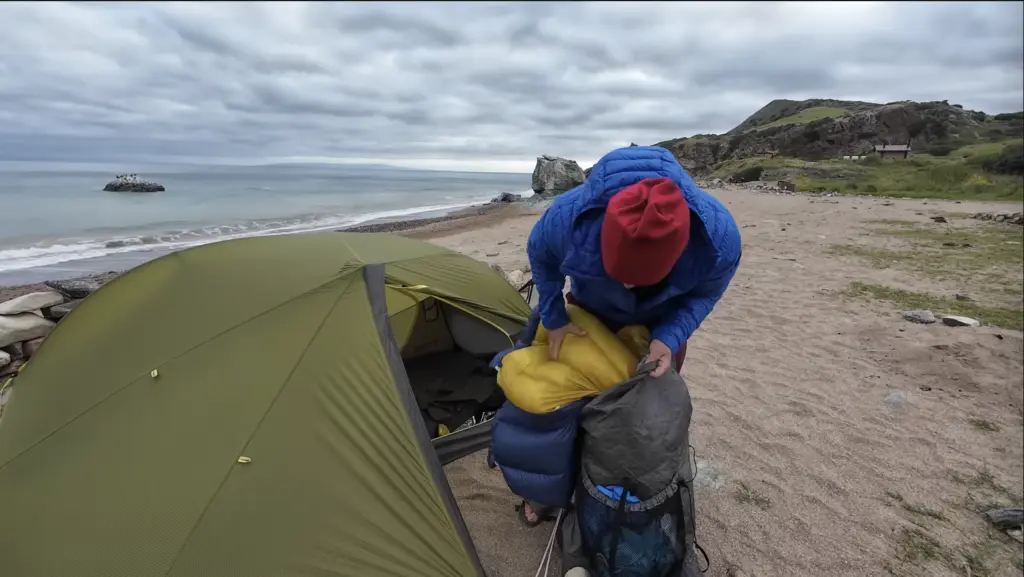
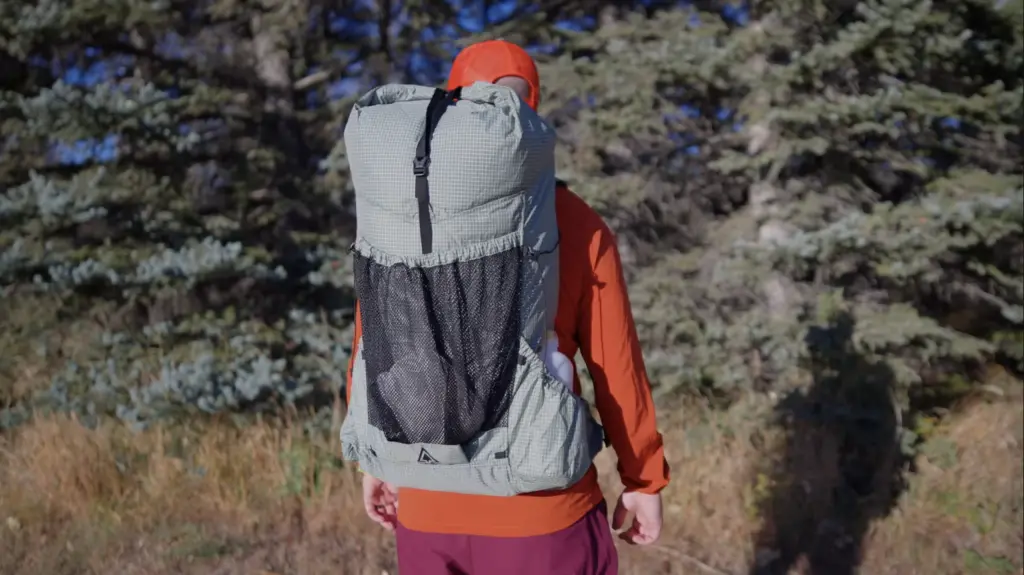
What we prioritized: Low weight, carrying ability, and durability.
Pros
- Very light at 870 g (1.9 lb) while being able to carry 20.4 kg (45 lb) comfortably.
- Great capacity. It can easily fit a 4.54 kg (10 lb) base weight with seven to ten days worth of food.
- Intuitive design allows the pack to be used with minimal “fiddle factor”.
- Versatile pack that will accommodate everything from an ultralight weekend trip to 3-season multi-day trips.
Cons
- Some reviewers would prefer a water bottle compatible side pocket instead of the tall zippered side pocket on the left side.
Alternative pick: The REI Flash 55 is the alternative. It is heavier at 1.3 kg (2.9 lb), but is a feature-rich pack that can carry over 20.4 kg (45 lb) easily, has an adjustable torso, and dedicated water bottle pockets in front of the side pockets for easy access to water.
Exped MegaMat Ultra
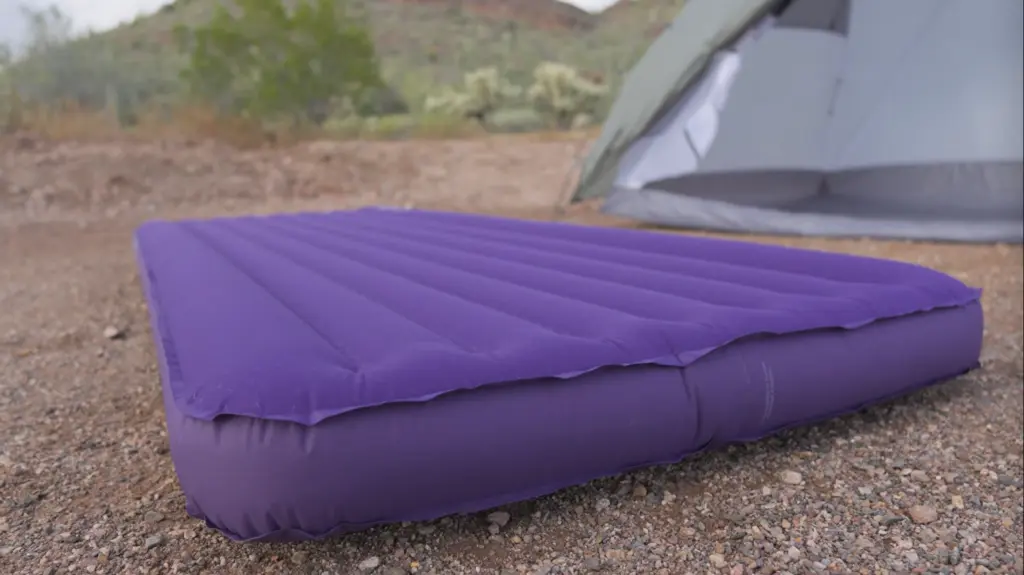
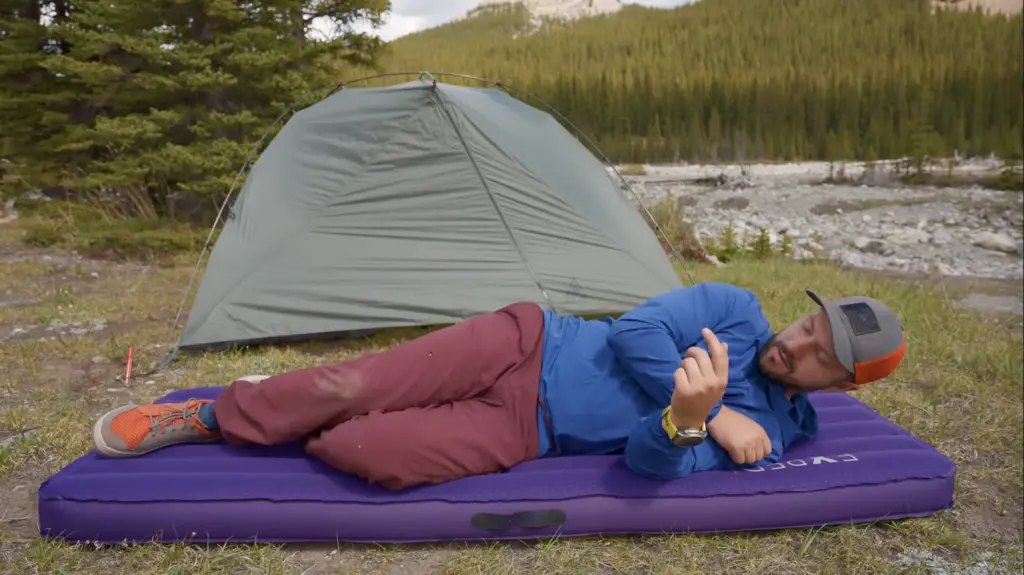
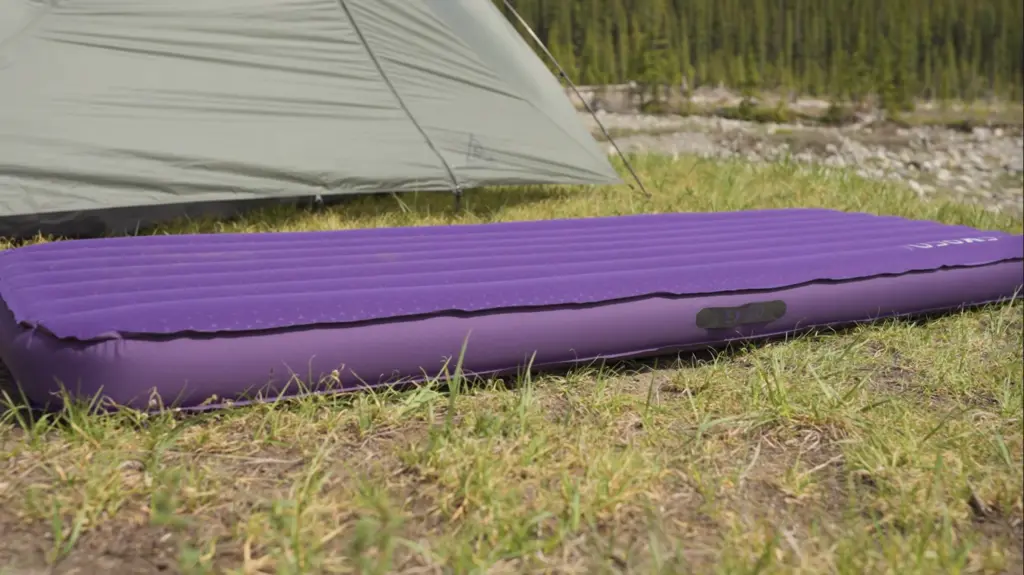
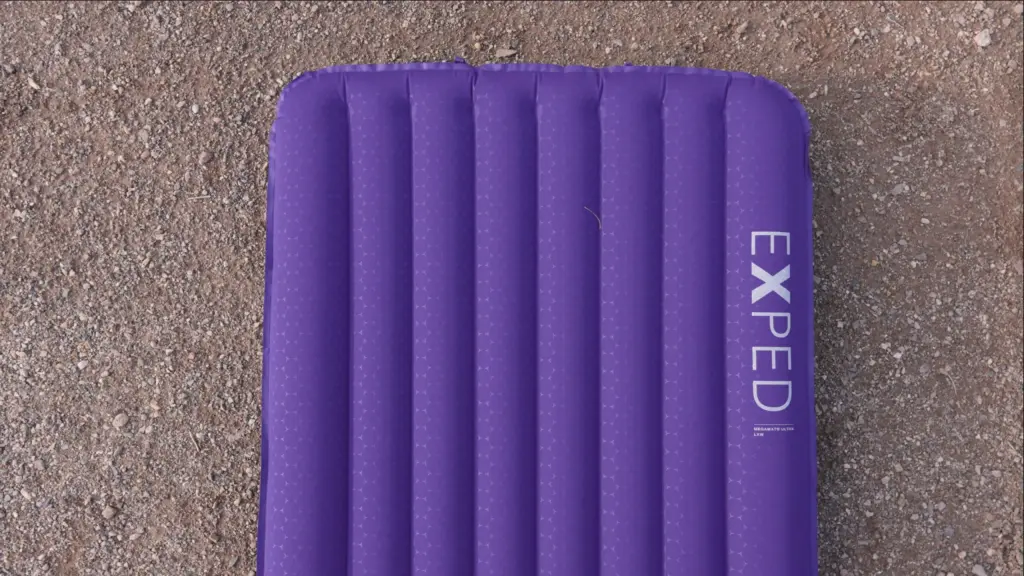
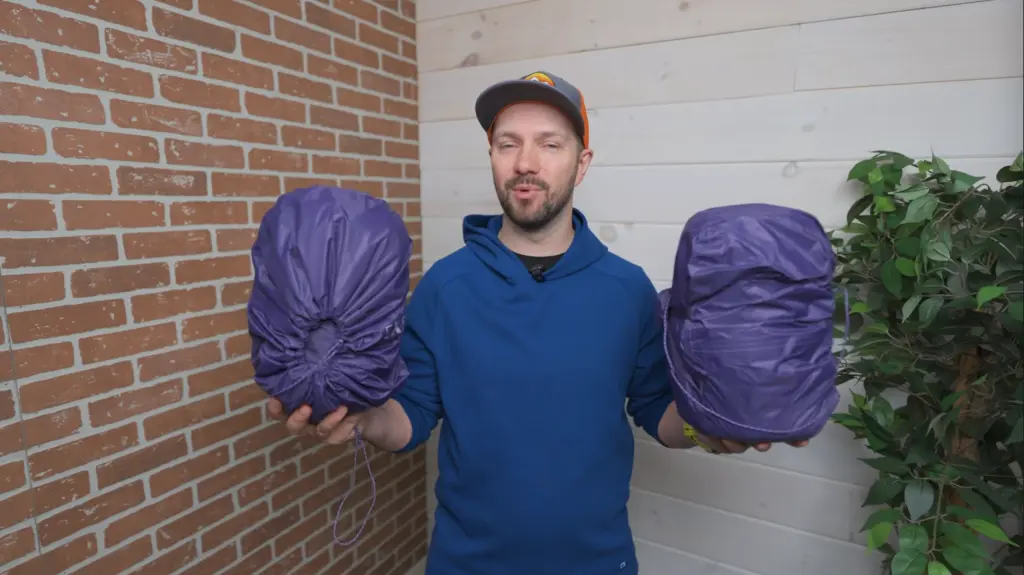
What we prioritized: Comfort above everything else.
Pros
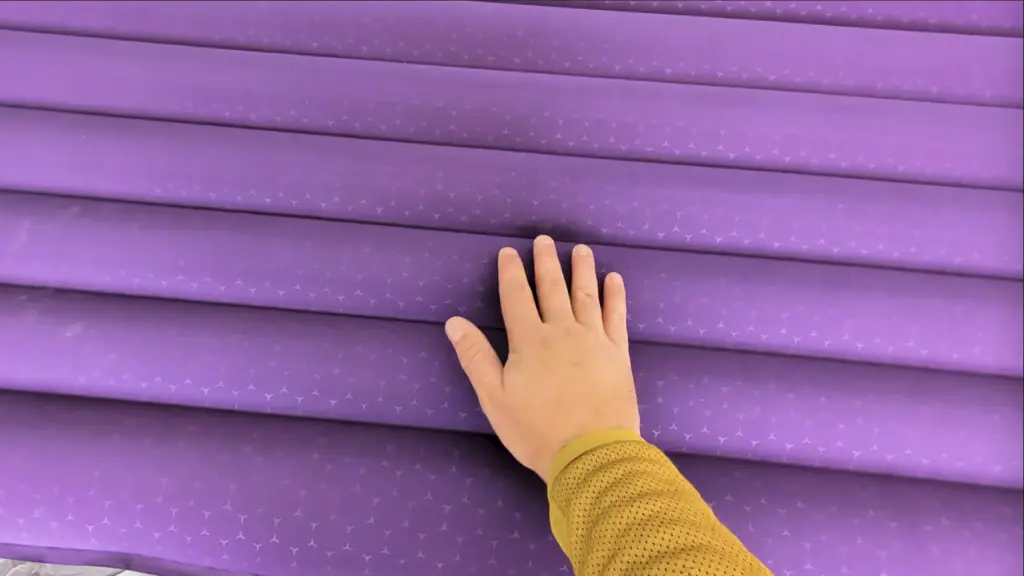
- Arguably the most comfortable sleeping pad on the market.
- Feels more supportive than the Therm-a-Rest NeoLoft, its main competition - it does not feel as much like lying on a balloon.
- Very thick at 10 cm (3.9 in), with sidewall construction and raised outer tubes.
- The stretchy top material and vertical baffles provide excellent pressure relief.
- Comes in an extra wide 76.2 cm (30 in) version.
Cons
- Some people will find the NeoLoft's stretchier top more comfortable, while others will prefer the MegaMat Ultra's more stable construction.
- Very heavy for a backpacking pad, especially in the extra wide version.
Alternative pick: The Therm-a-Rest NeoLoft is the other pad to consider. Many people will find it more comfortable than the MegaMat Ultra, with a few trade-offs to accept. Honourable mention goes to the NEMO Eclipse All-Season, one of the most comfortable pads GearPriority has used and much lighter and more compact than either, which makes it the pad that goes on most of the team's trips.
Zenbivy Ultralight Bed
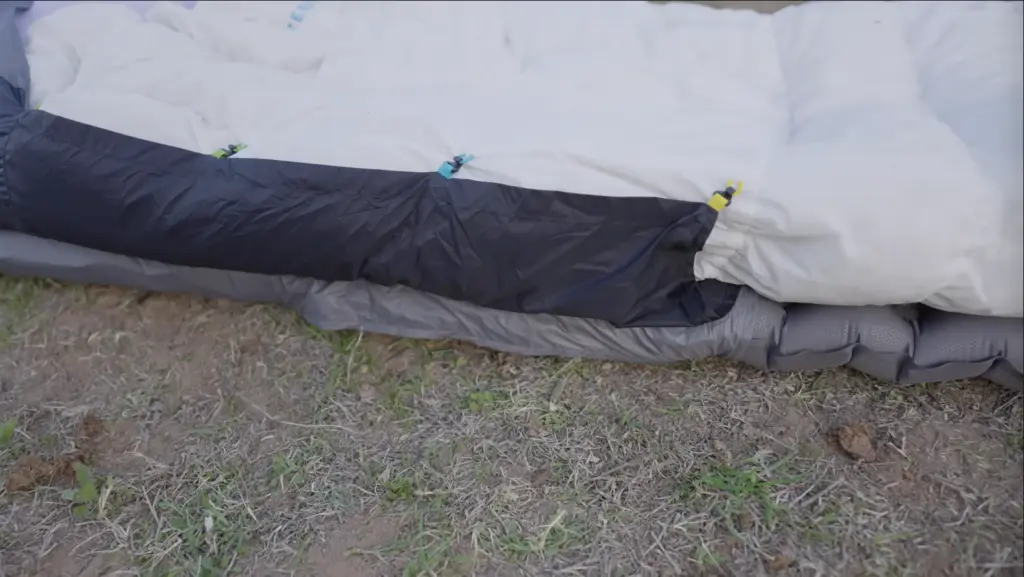
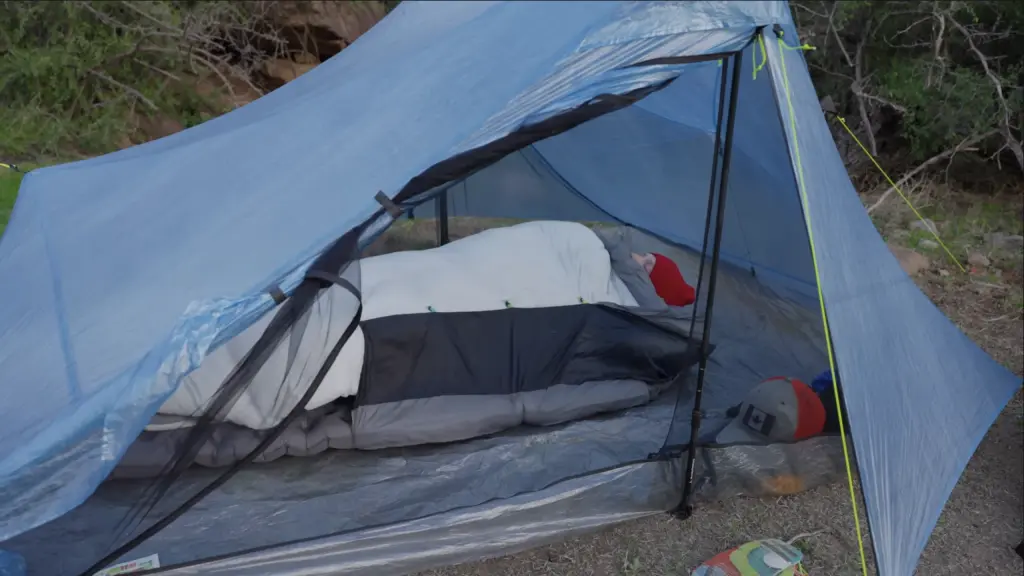
What we prioritized: Comfort and warmth in one system.
Pros
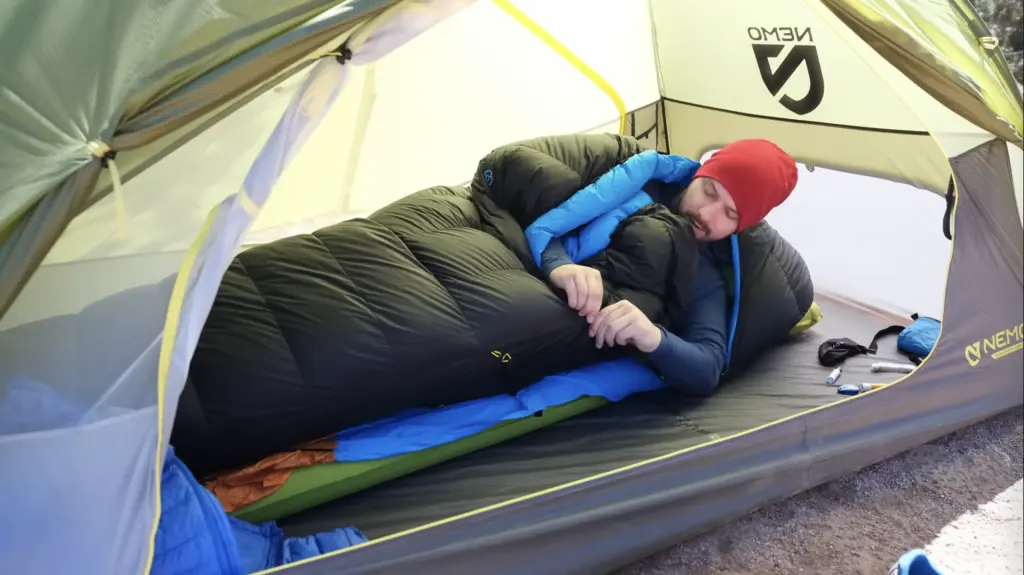
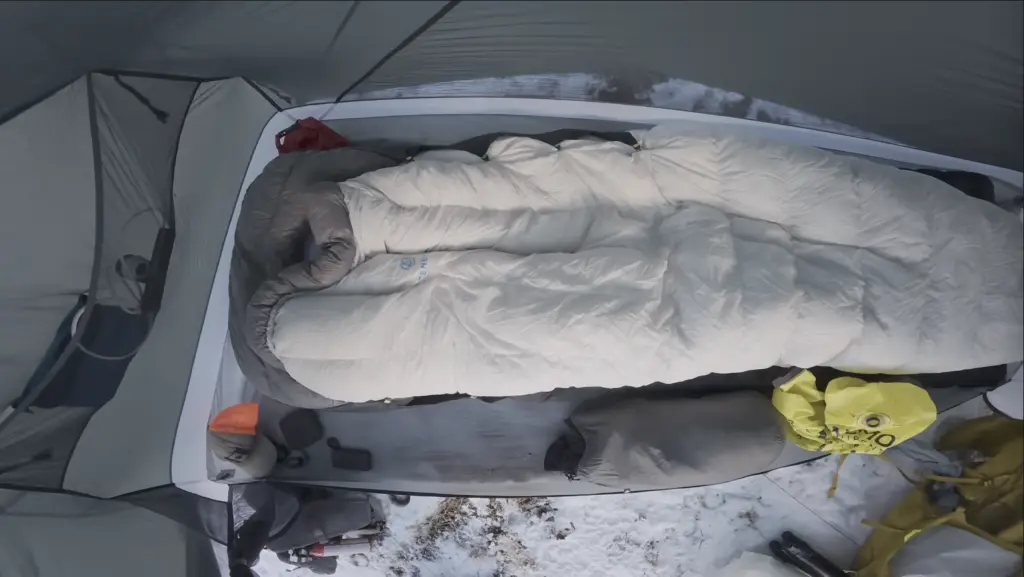
- The sheet attaches to your sleeping pad and the quilt attaches to the sheet, so you can toss and turn under the quilt just like a blanket at home.
- The overlapping panels where the quilt meets the pad keep drafts out and keep you warm.
- Zenbivy offers several versions of the quilt and sheet system (like a full length sheet), so you can choose how much weight to trade for price and comfort.
- The ultralight version is remarkably light for everything you get.
Cons
- It is not cheap.
- There is a learning curve clipping the sheet onto the pad and getting in and out of the clips, especially when you need to get up in the middle of the night.
Exped Mega Pillow
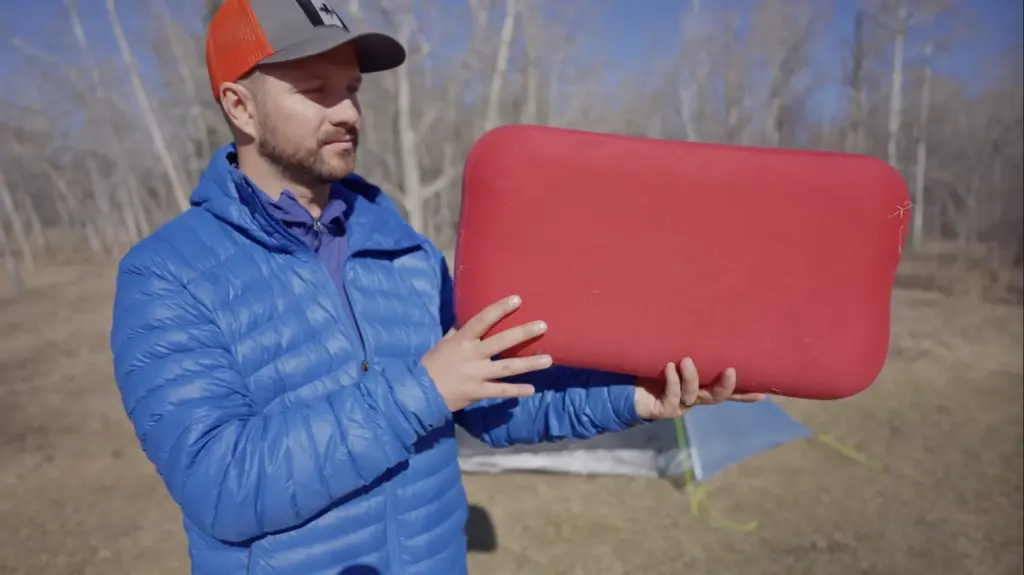
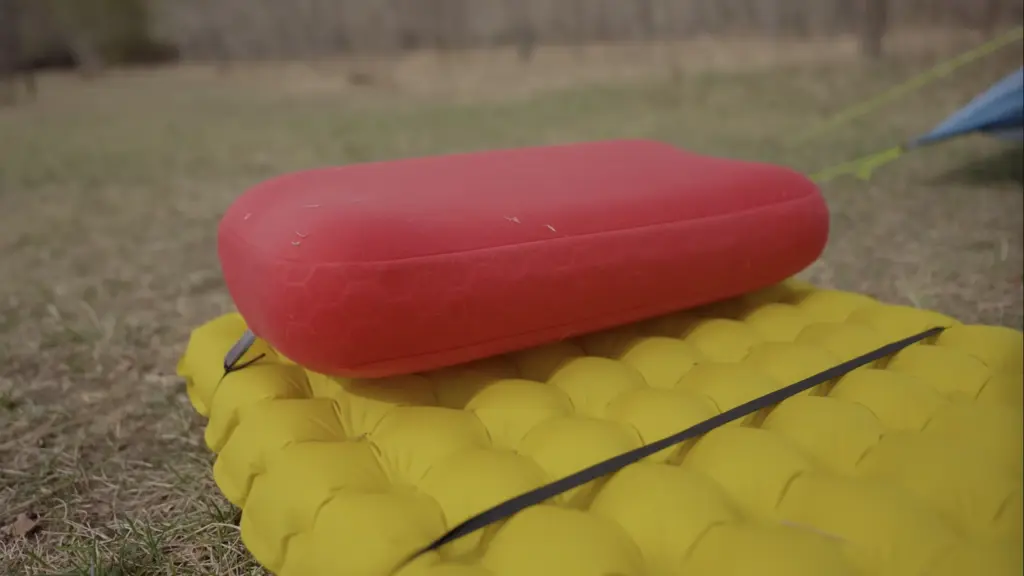
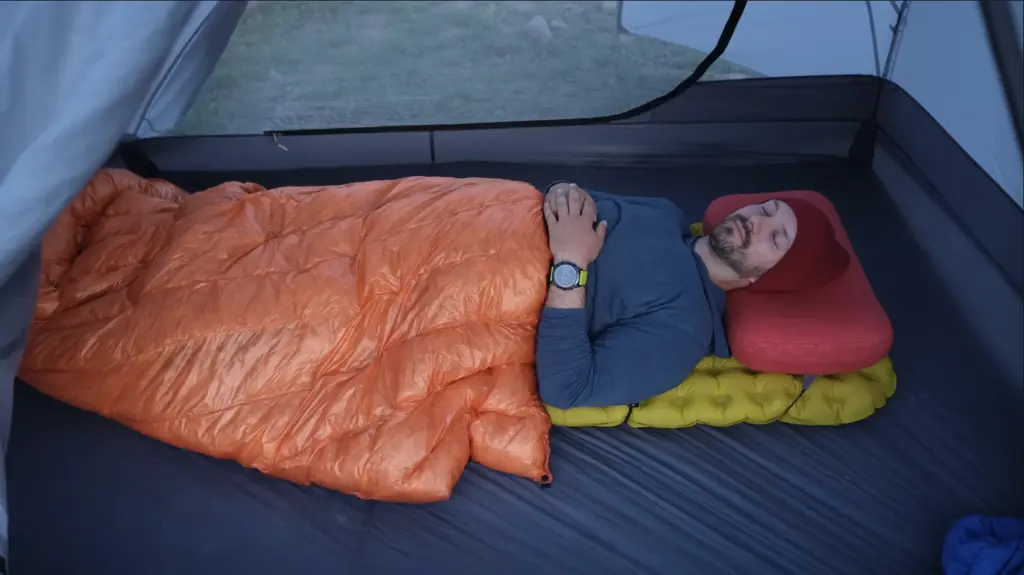
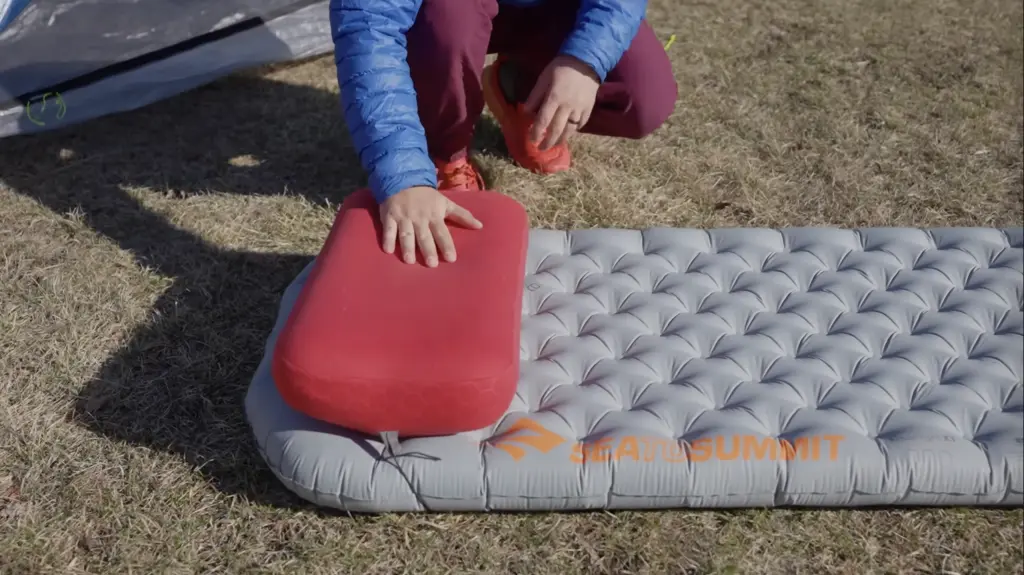
What we prioritized: Size, a way to attach it to the pad, and support.
Pros
- Tall. The height is great for side sleepers.
- Wide. It takes up almost the full width of a pad, so you do not fall off it.
- Loops on both sides let you tie on a piece of shock cord and wrap it around your sleeping pad. A way to attach the pillow to the pad is a must-have feature.
- Very supportive. It does not feel like lying on a balloon.
- Comes with a soft pillowcase.
Cons
- Expensive for a pillow.
- Heavy and bulky.
Alternative pick: The Trekology Aluft 2.0 is a great option if the Mega Pillow is more than you want to spend or you want to save weight. It is an amazing pillow that weighs under 100 g (3.5 oz), costs much less, and comes with a pad strap. Zenbivy users should just use the Zenbivy Soft Top pillow, which is extremely comfortable and integrates with the sleep system very well.
Durston X-Dome 1+
• Inner tent (if applicable)
• Tent floor
• Poles (if applicable)
• Any pre-attached guylines
Tap outside the box to close
• Attached and optional included guylines
• Included tent stakes
• Poles (if applicable)
Tap outside the box to close
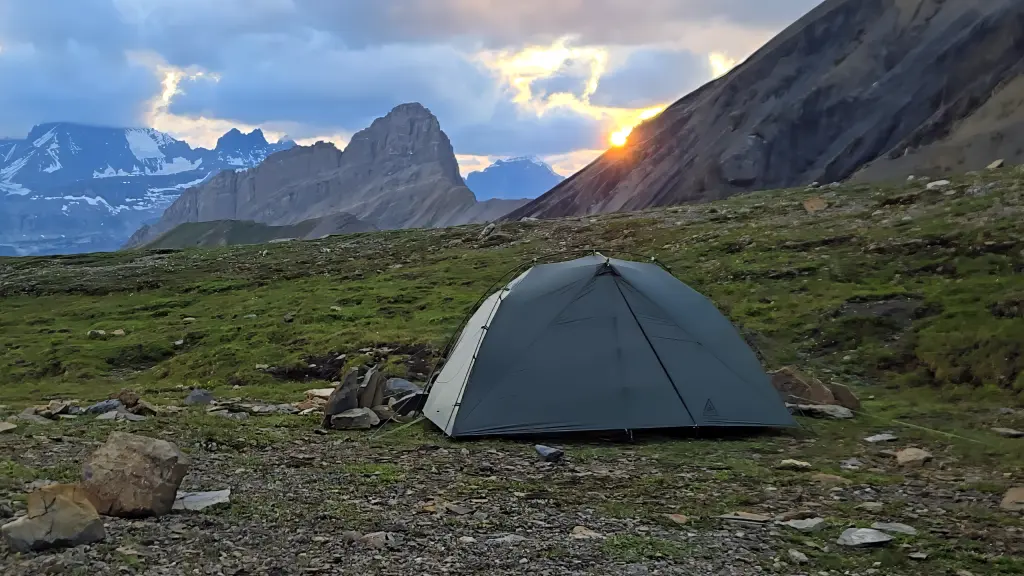
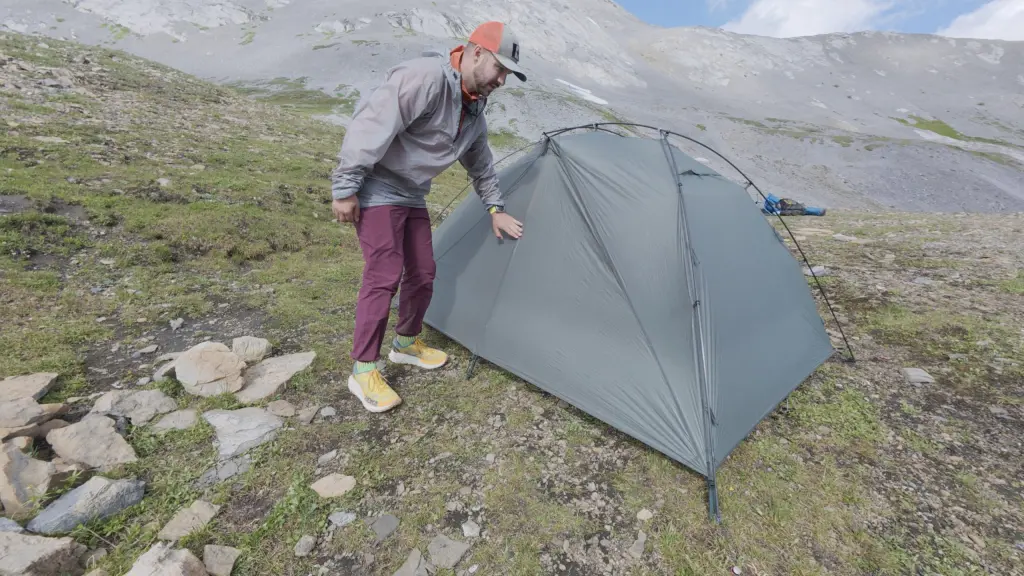
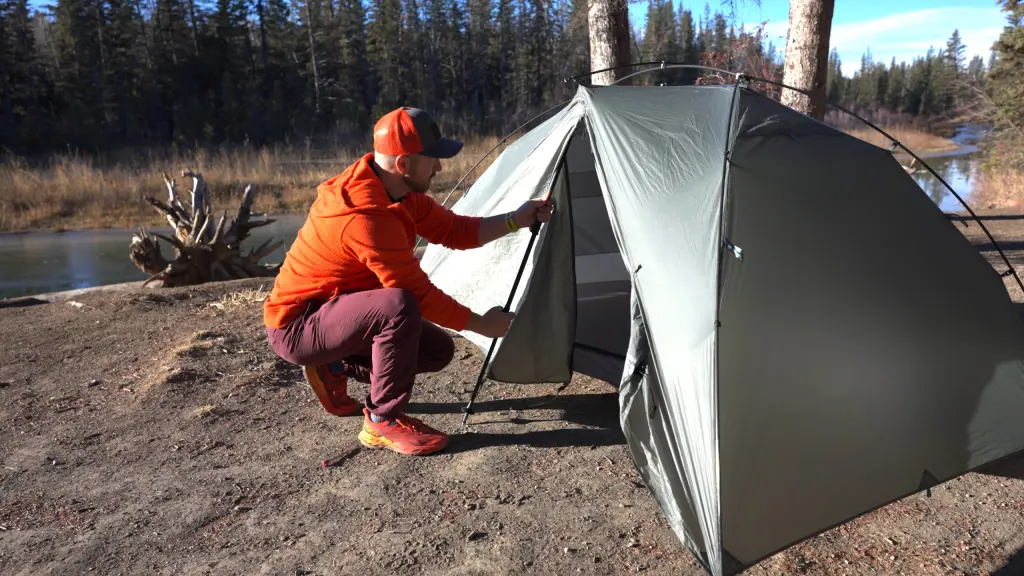
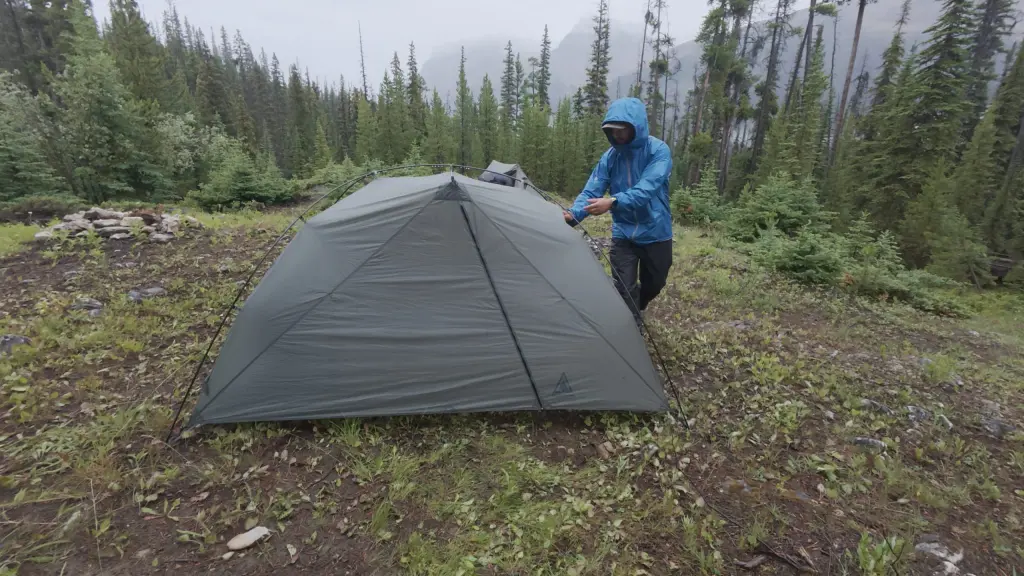
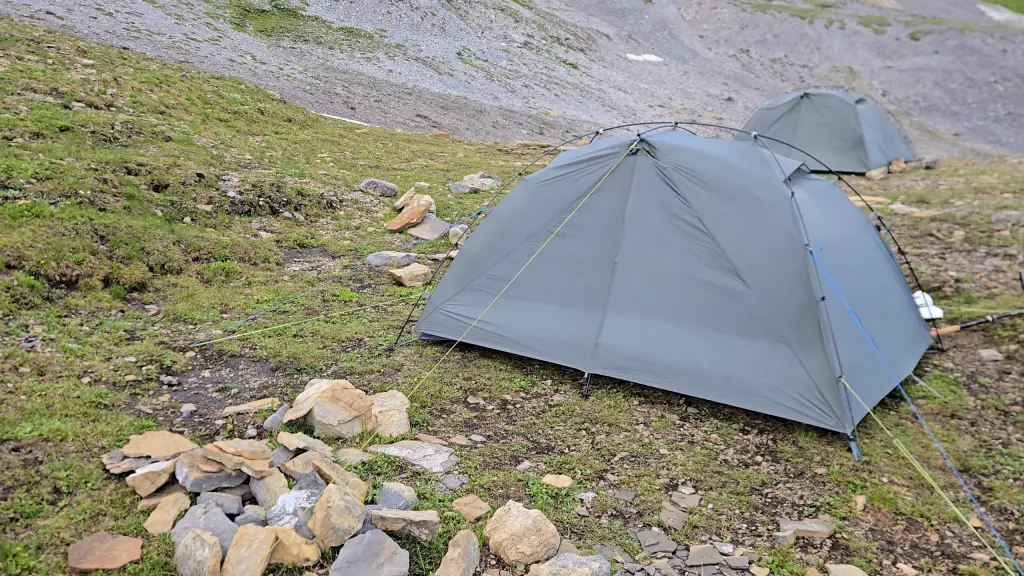
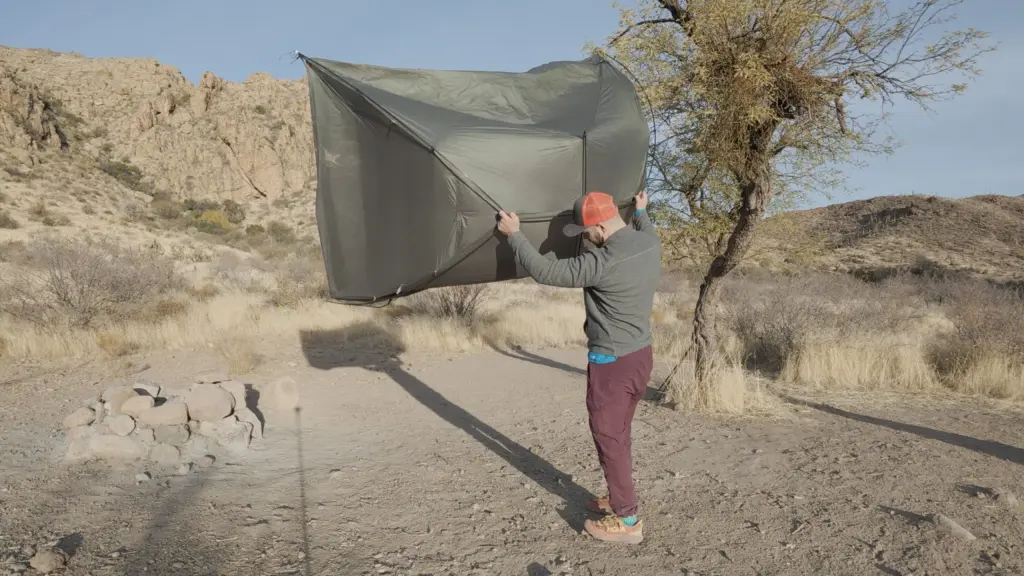
What we prioritized: Weight, stormworthiness, and spaciousness.
Pros
- Very light for a double-walled freestanding tent.
- Extremely stormworthy. It has held up during wind gusts of 70 km/h (43 mph) and would likely handle 100 km/h (62 mph) easily.
- Roomy inside, with extra space beside your sleeping pad due to the asymmetrical floor to store gear.
- The polyester fly material does not sag or stretch when wet and can be stuffed into the stuff sack when storing the tent.
- Can be set-up with an all-in-one pitch, fly-first pitch, or inner-first pitch.
- The go-to tent at GearPriority for nearly every type of trip over the last year, and possibly the best tent the team has ever used.
Cons
- Not as light as trekking pole tents.
- The feet where the poles insert can be difficult to use during setup.
Durston X-Dome 2
• Inner tent (if applicable)
• Tent floor
• Poles (if applicable)
• Any pre-attached guylines
Tap outside the box to close
• Attached and optional included guylines
• Included tent stakes
• Poles (if applicable)
Tap outside the box to close
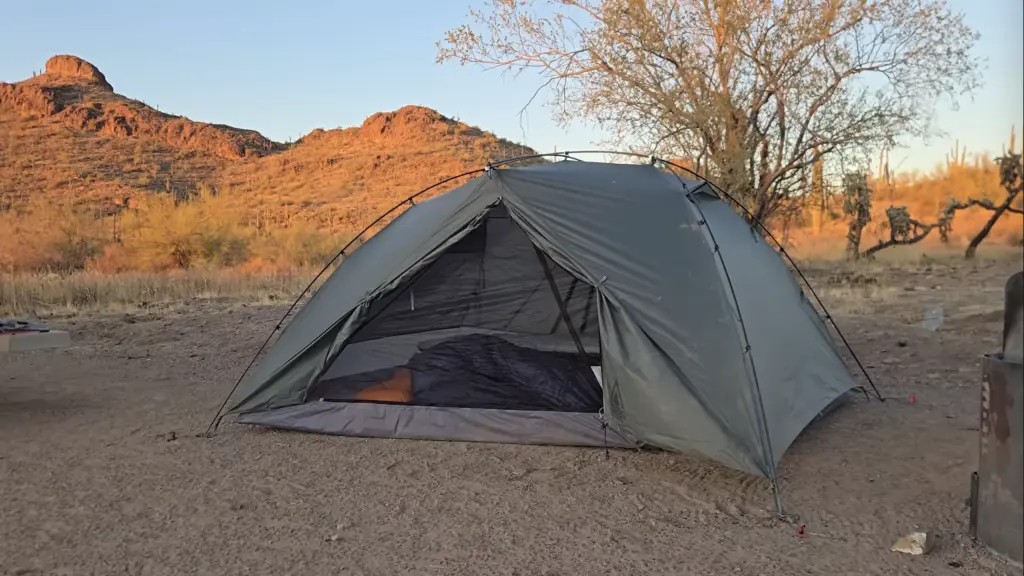
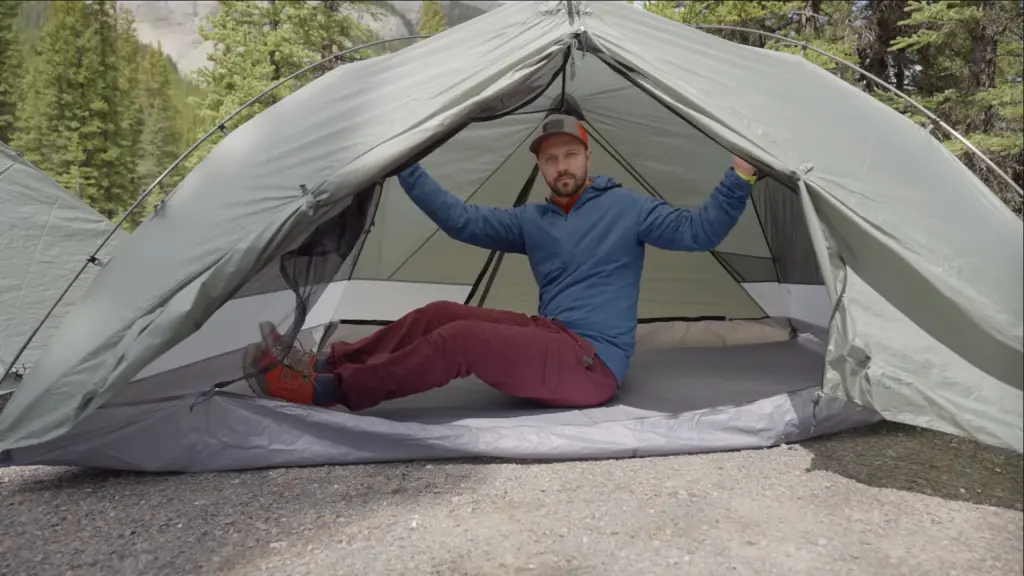
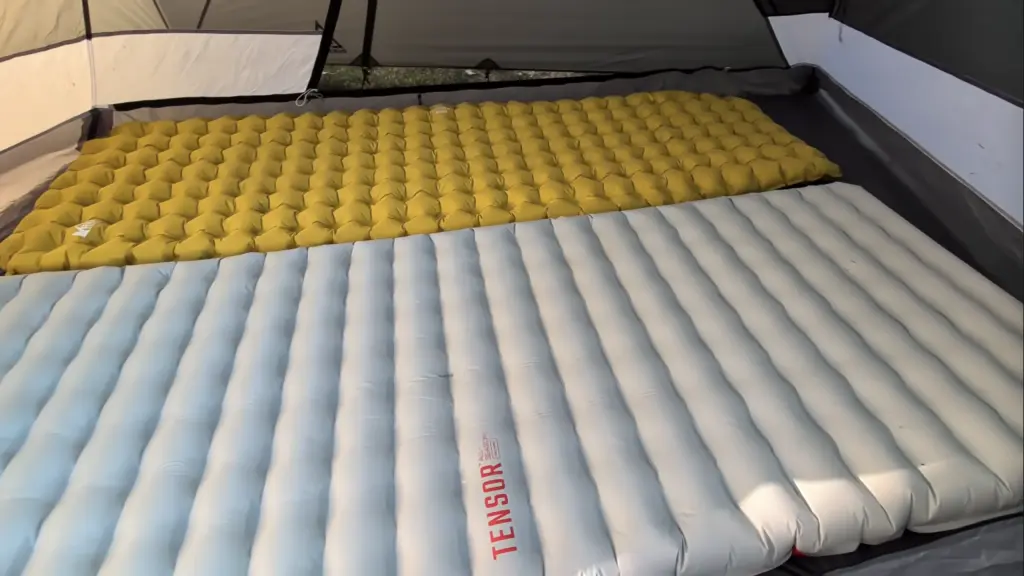
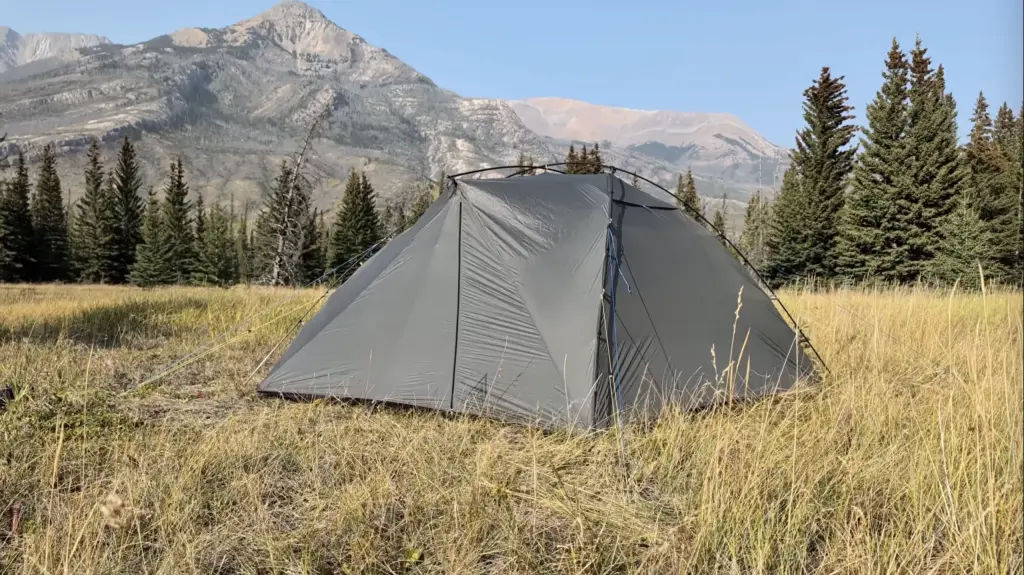
What we prioritized: Weight, stormworthiness, and space for two.
Pros
- Light for a double-walled, fully freestanding two-person tent.
- Three ways to pitch it: all-in-one (keeps the inner dry when setting up in rain), fly-first, or inner-first.
- The silpoly fly does not sag or stretch when wet, and the tent stuffs into its sack instead of needing to be folded.
- Vertical walls on all four sides, so you can sit up anywhere in the tent.
- A wide brow pole keeps rain off the inner when the door is open.
- Two large roof vents keep condensation low.
- Fits two 63.5 cm (25 in) wide pads.
Cons
- Large vertical side panels on the fly catch wind and make the tent less stormworthy than some other two-person tents.
- Not as light as trekking pole tents.
- The feet where the poles insert can be difficult to use during setup.
Alternative pick: The Durston X-Mid 2 is also a great choice if you want something lighter or less expensive. It is roomy, double-walled, uses silpoly for the fly, and is the best option on the market for anyone happy to pitch with trekking poles.
Fire Maple Petrel Pot and Greenpeak Stove
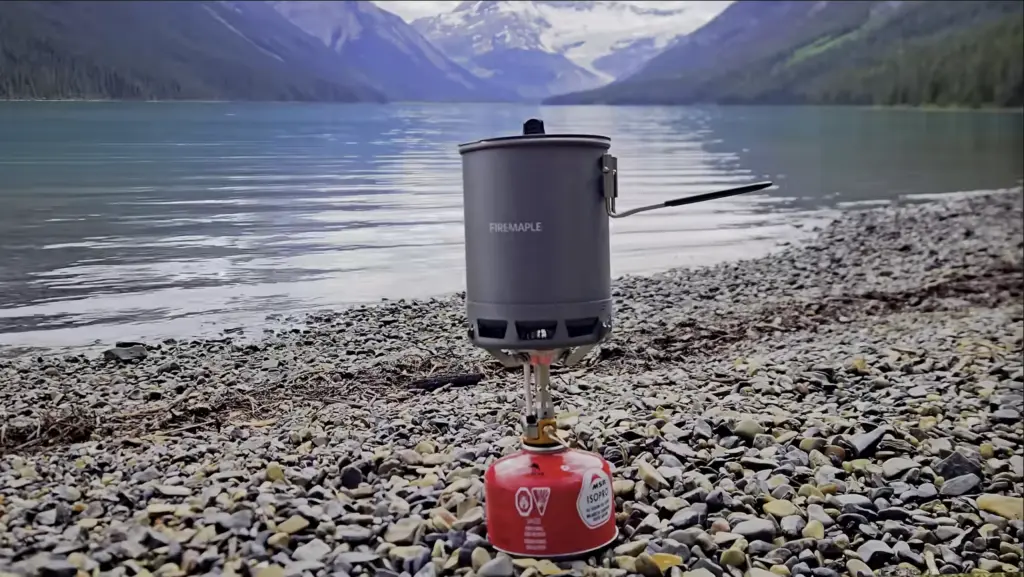
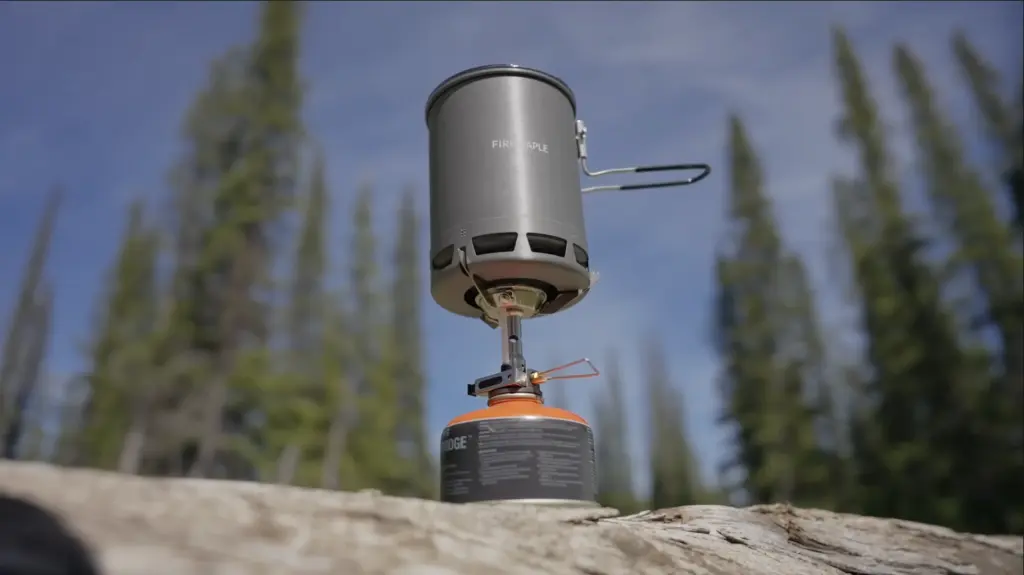
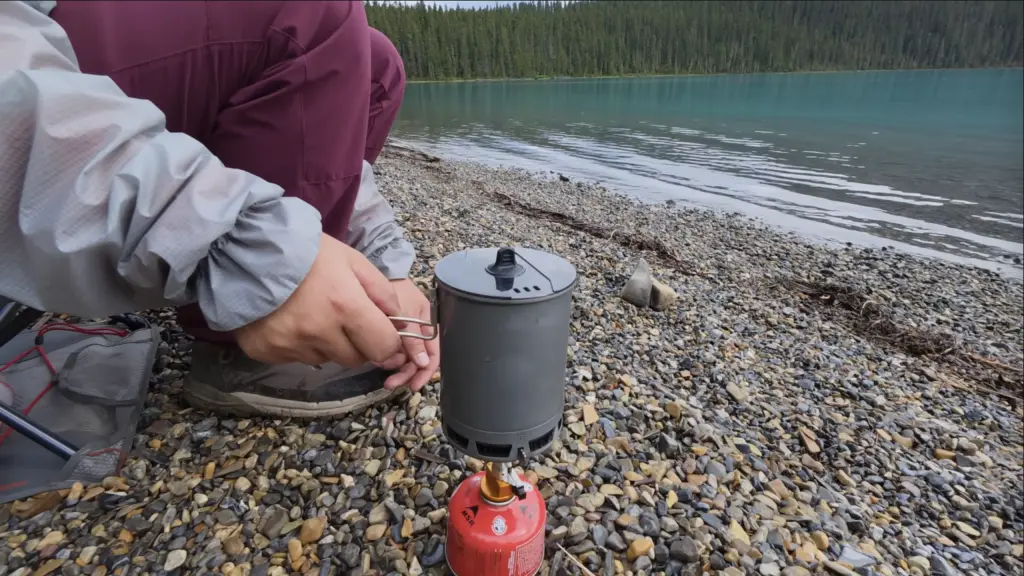
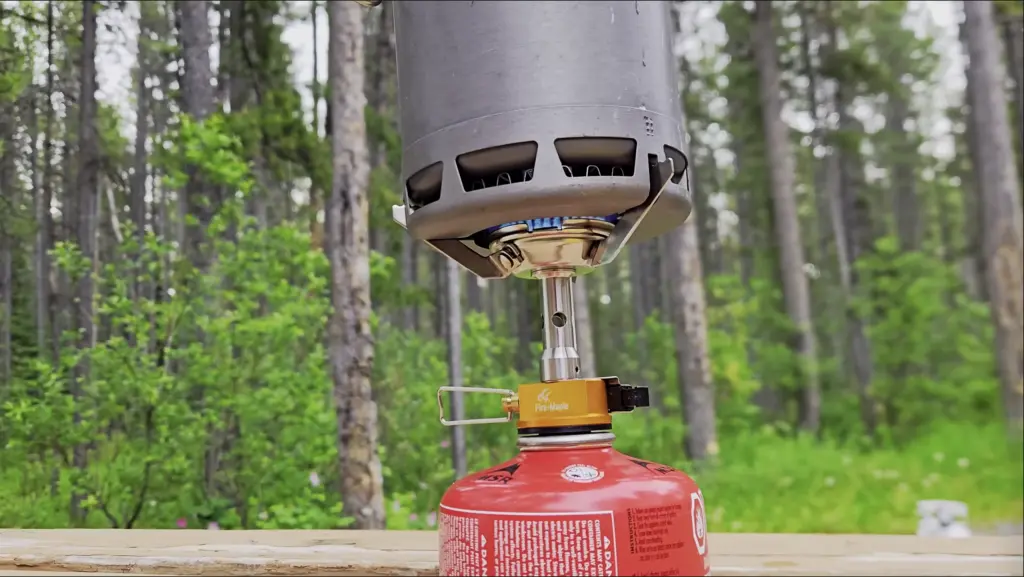
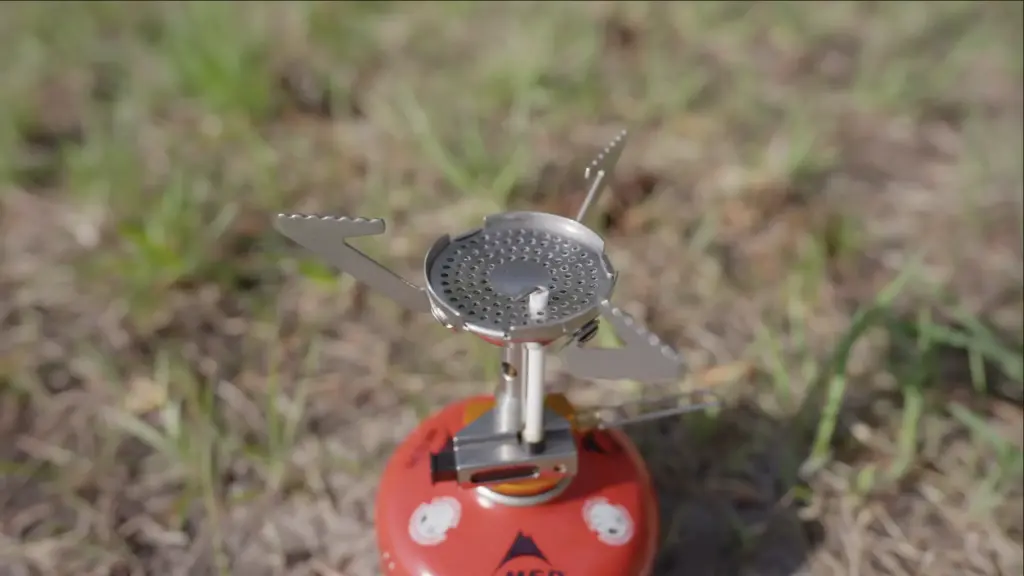
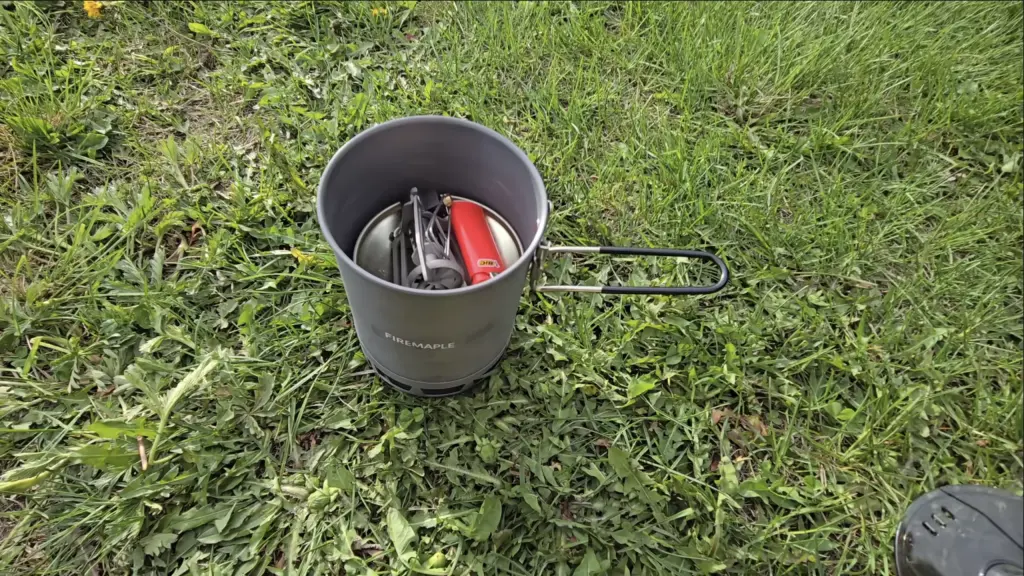
What we prioritized: Fast and efficient boils in wind at a low price.
Pros
- The stove and a fuel canister nest inside the pot and the handle keeps it all together.
- The stove has a wide burner with a lip for wind protection.
- The pot has a heat exchanger that adds more wind protection and moves heat into the water faster.
- Together the stove and pot can achieve efficient (low amounts of fuel used) and quick boils even when it is windy.
- Very inexpensive for both the pot and the stove.
Cons
- Not the most ultralight option out there, though 247 g (8.7 oz) is still a respectable weight.
Alternative pick: The MSR WindBurner is the step up. It has even better wind performance, is a lot quieter thanks to its radiant burner, and is a bit more efficient. It is an all-in-one system that is a treat to use but it costs much more and is heavier at 432 g (15.2 oz).
Platypus QuickDraw
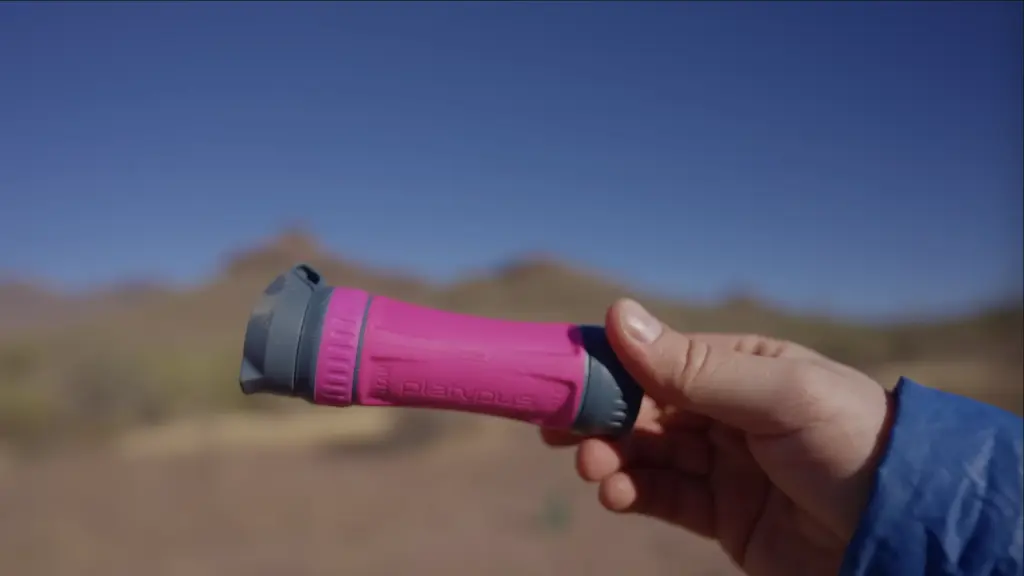
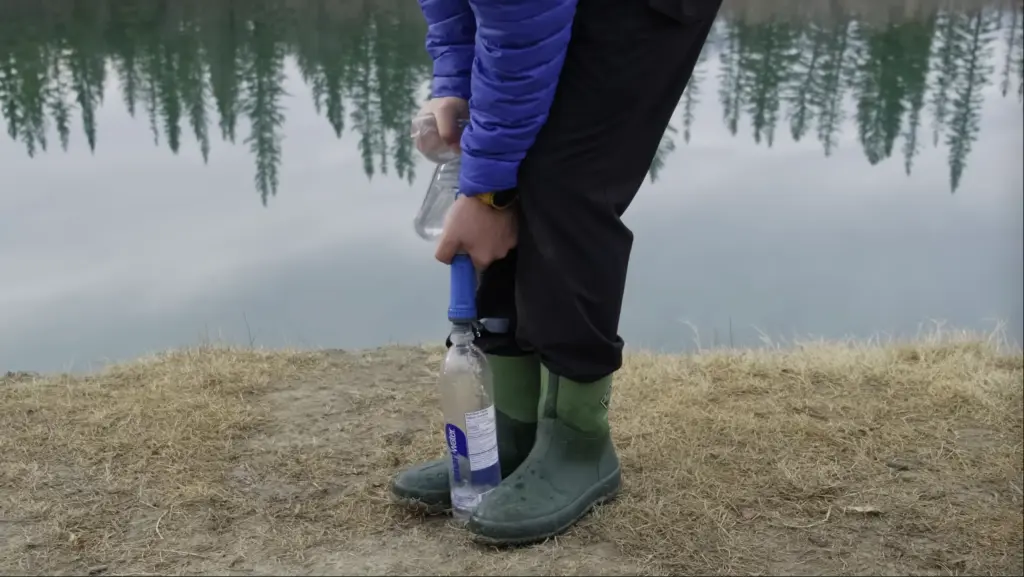
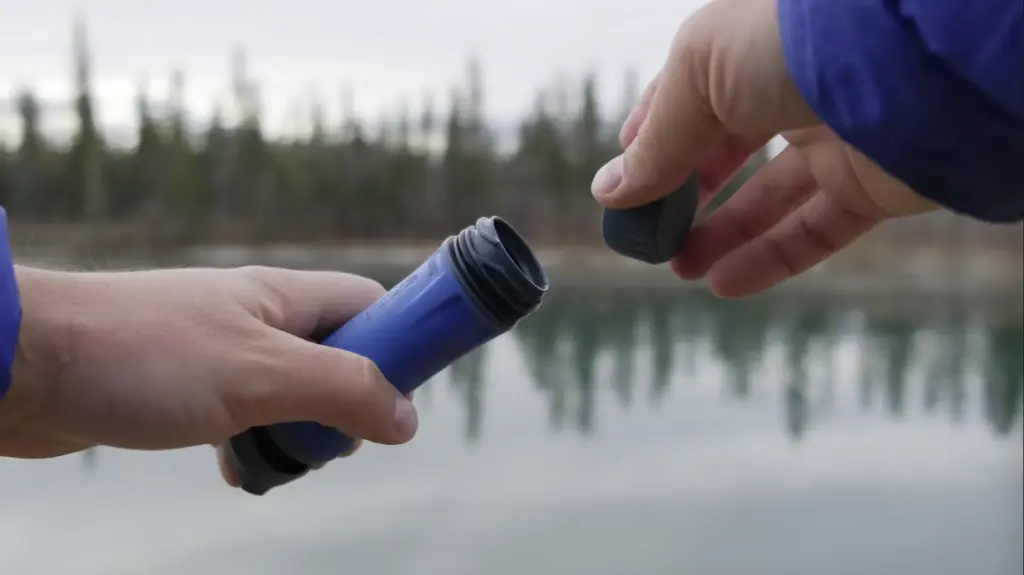
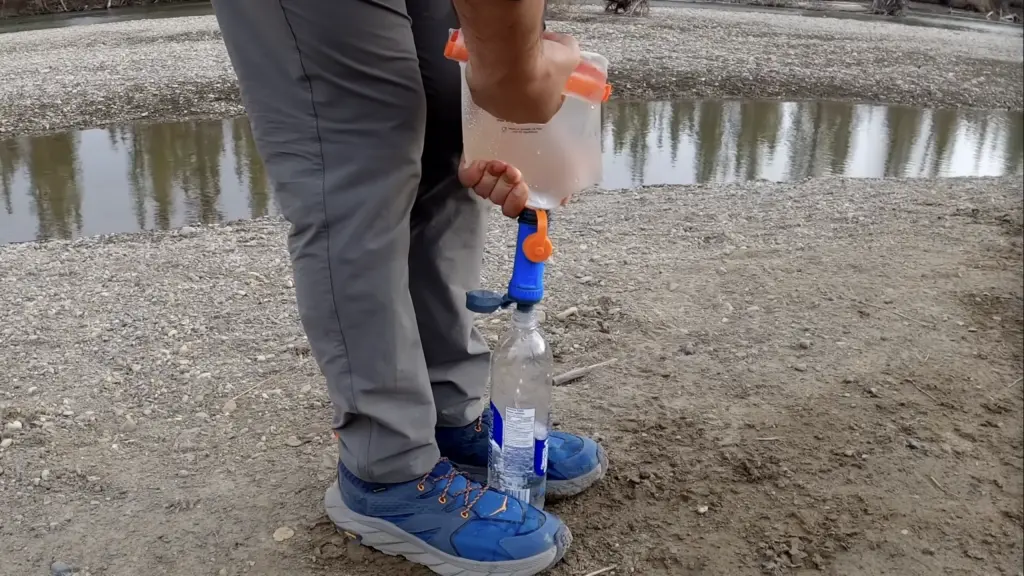
What we prioritized: Reliability, ease-of-use, and speed.
Pros
- The most reliable filter GearPriority has used in years. Both Sawyer and BeFree filters have clogged during testing, but never the QuickDraw.
- Caps on both ends provide a full watertight seal, so you can put it in your sleeping bag when temperatures are expected to drop below freezing.
- Excellent filter speed.
Cons
- Lower removal rate for bacteria and protozoa compared to the Sawyer Squeeze.
Nitecore NU20 Classic
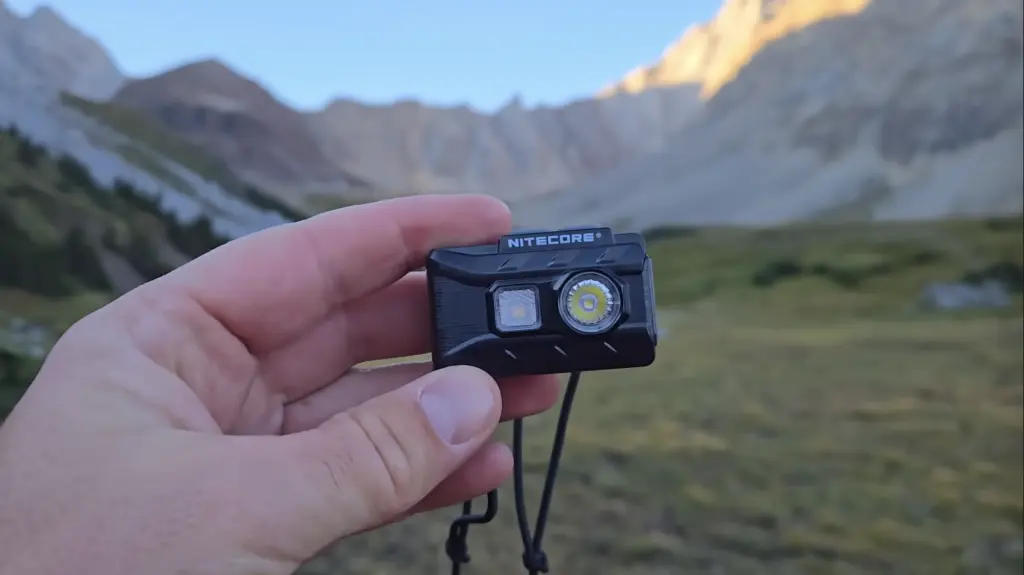
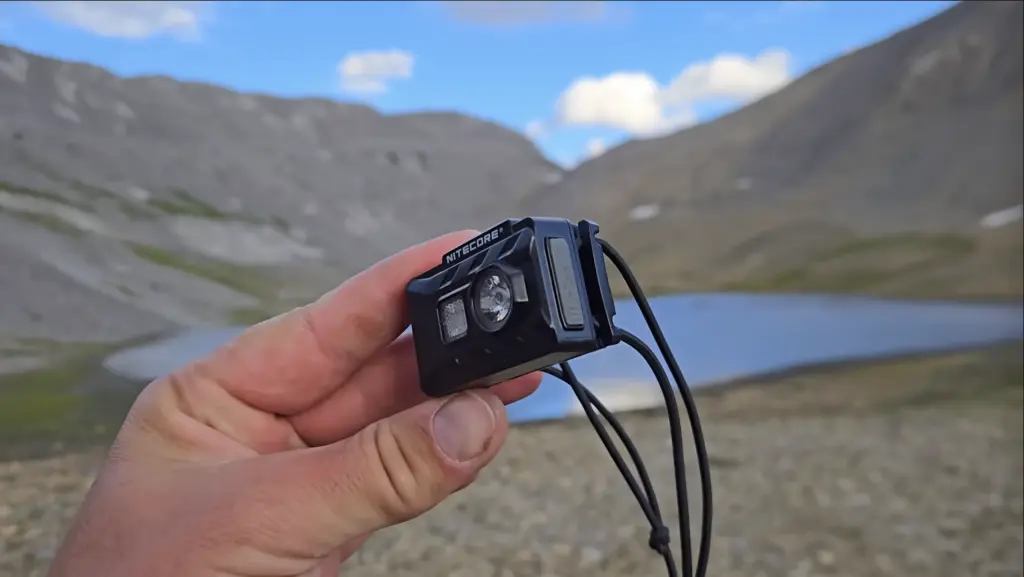
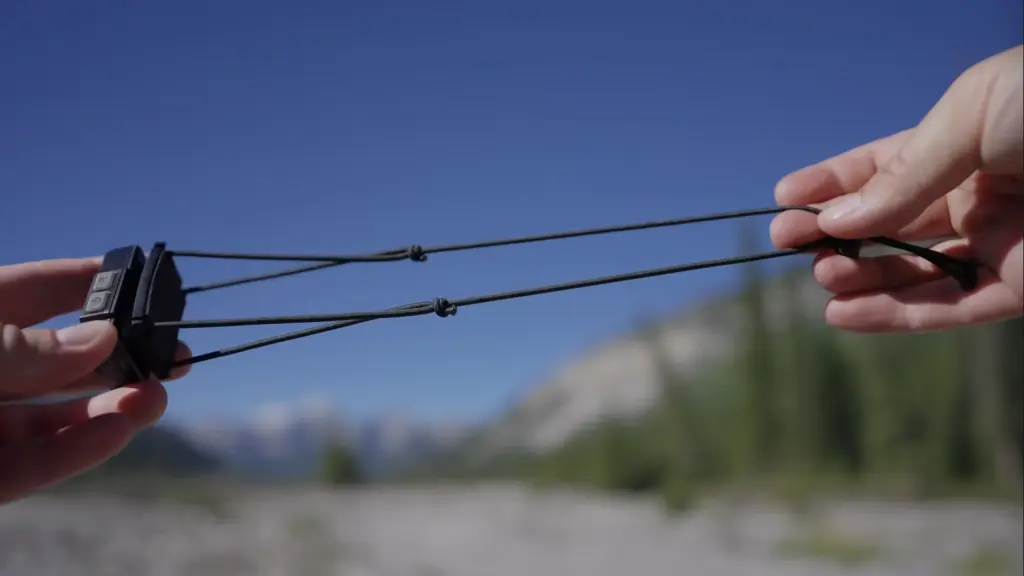
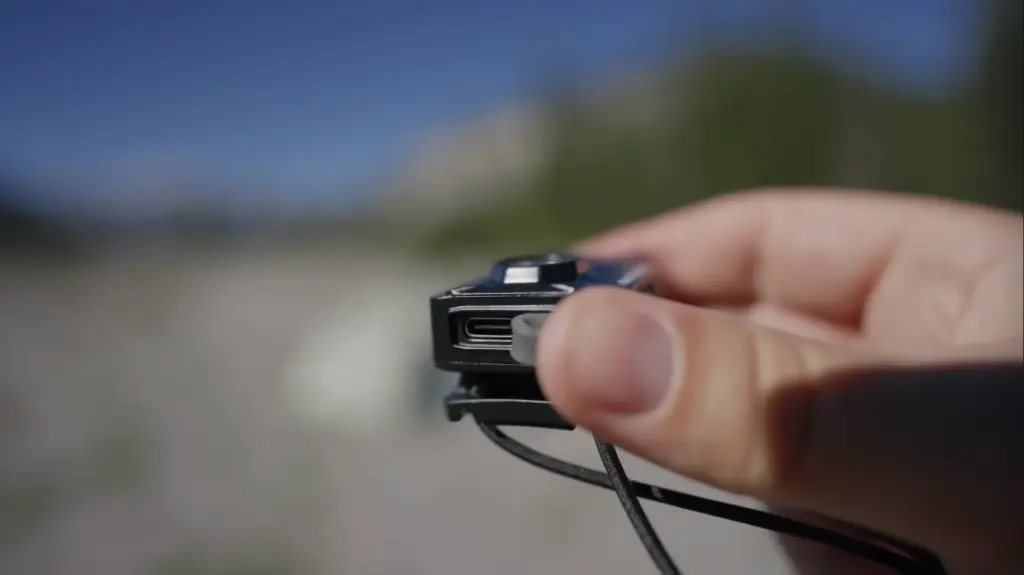
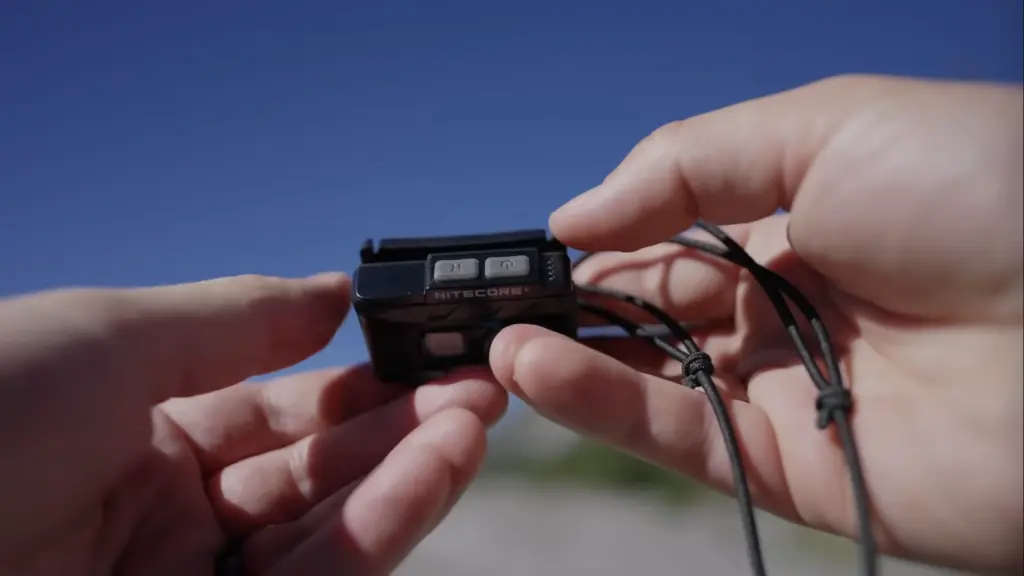
What we prioritized: Light, rechargeable, inexpensive, and bright enough.
Pros
- Recharges over USB-C. Most devices are moving to USB-C now, so one cable covers everything.
- Two buttons on top, one for white light and one for red light. Headlamps that run everything off a single button are far more annoying to use.
- Very lightweight.
- Relatively powerful for its size. Other brands are starting to compete, but all of them cost a lot more.
Cons
- Stock strap options are all terrible. We recommend getting the strap replacement from Litesmith Gear.
Garmin inReach Messenger Plus
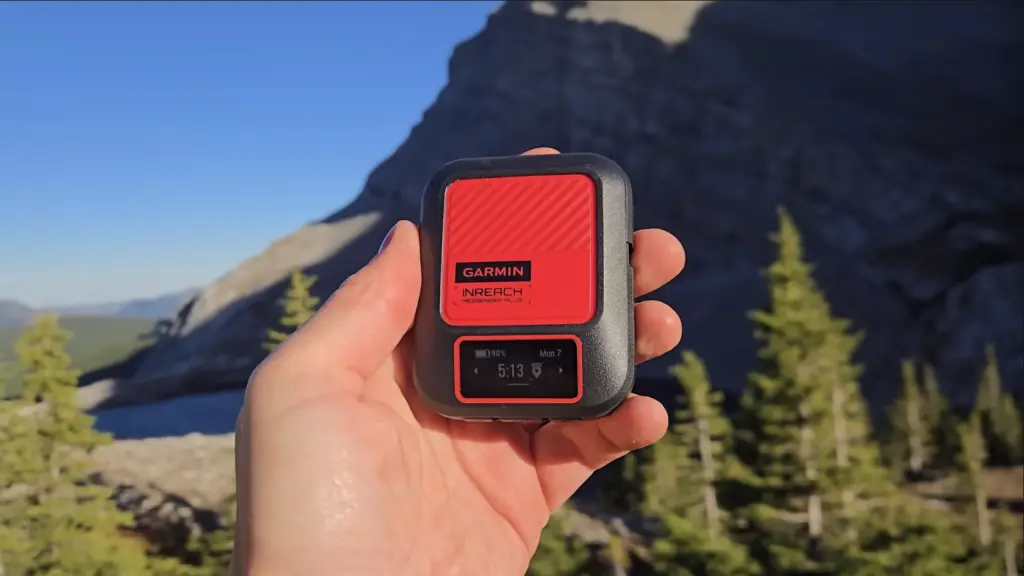
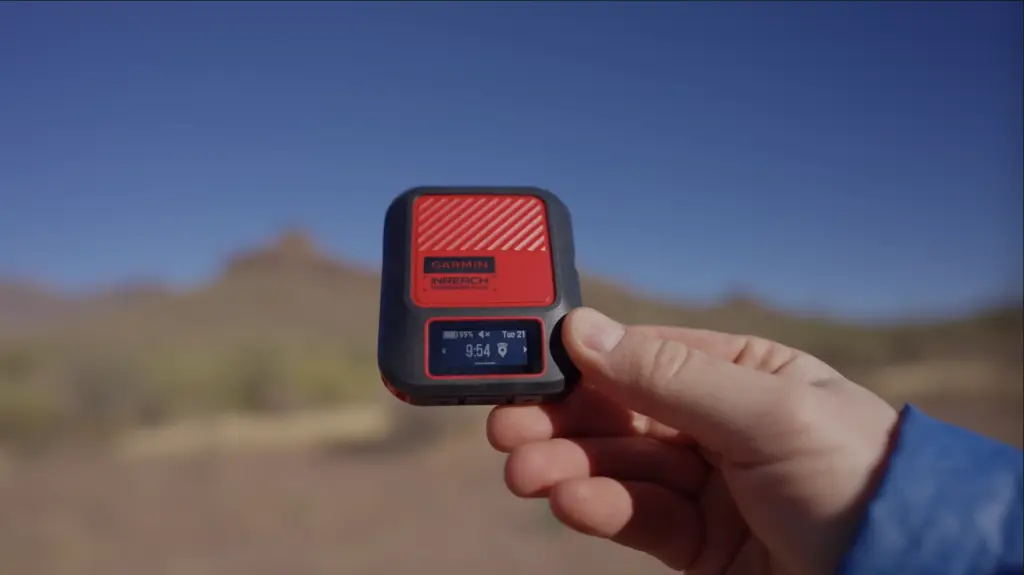
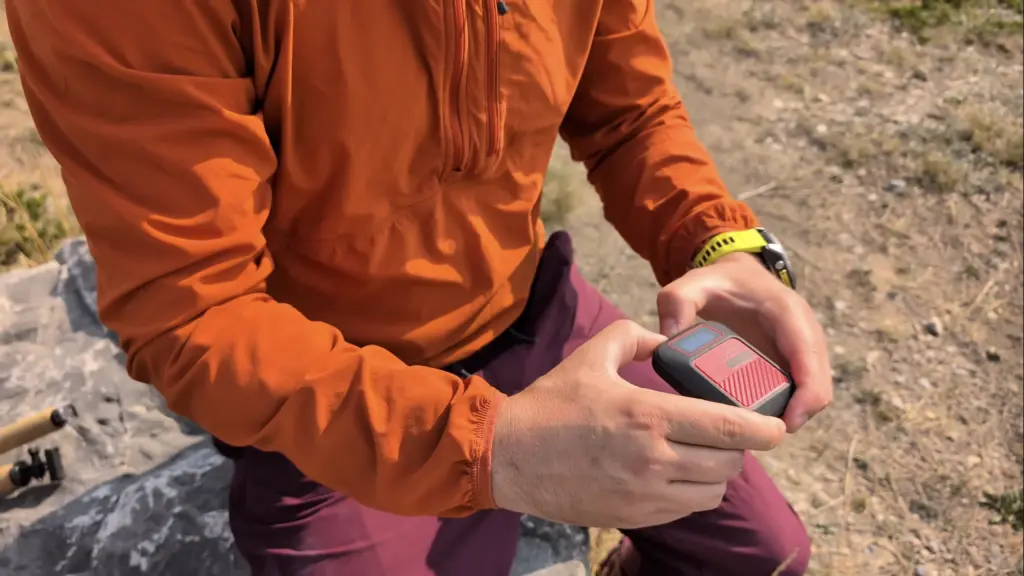
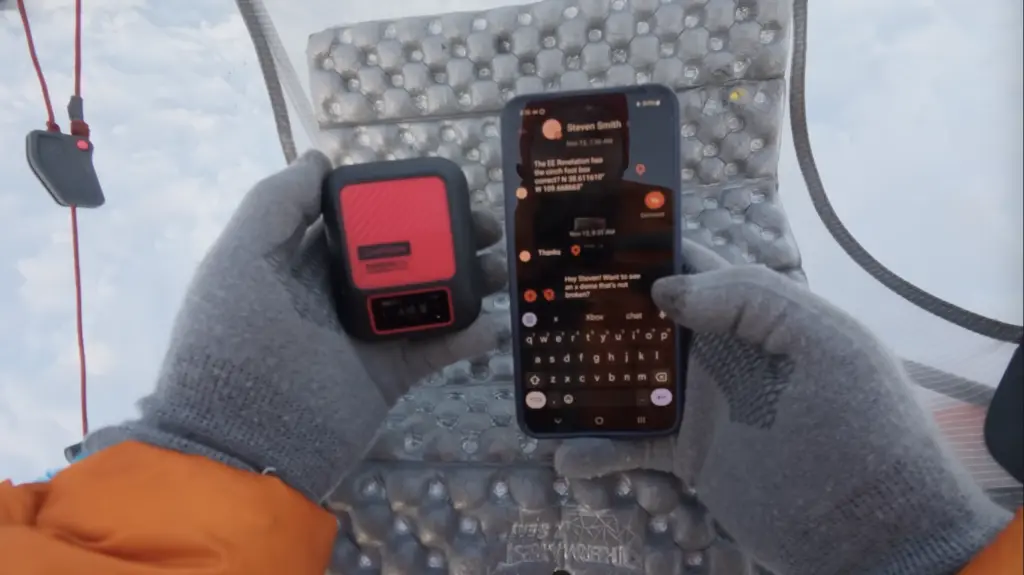
What we prioritized: Reliability when it matters most.
Pros
- Extremely durable.
- Over 20 days of battery life in low power mode and no tracking with mixed tree cover.
- Works as a standalone device and is far more reliable than the built-in satellite features on phones. In testing, the built-in options on Google phones and iPhones were slow and unreliable.
- Plus models can send and receive pictures and voice memos, which makes sharing a trip with family at home a lot more fun.
Cons
- Expensive between the hardware and the subscription.
Veektomx 10,000 mAh
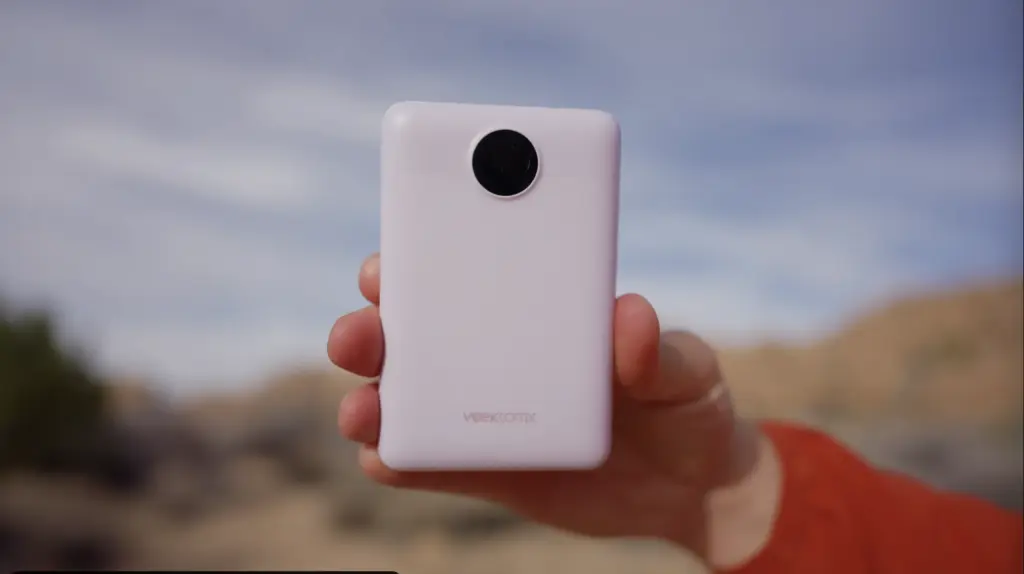
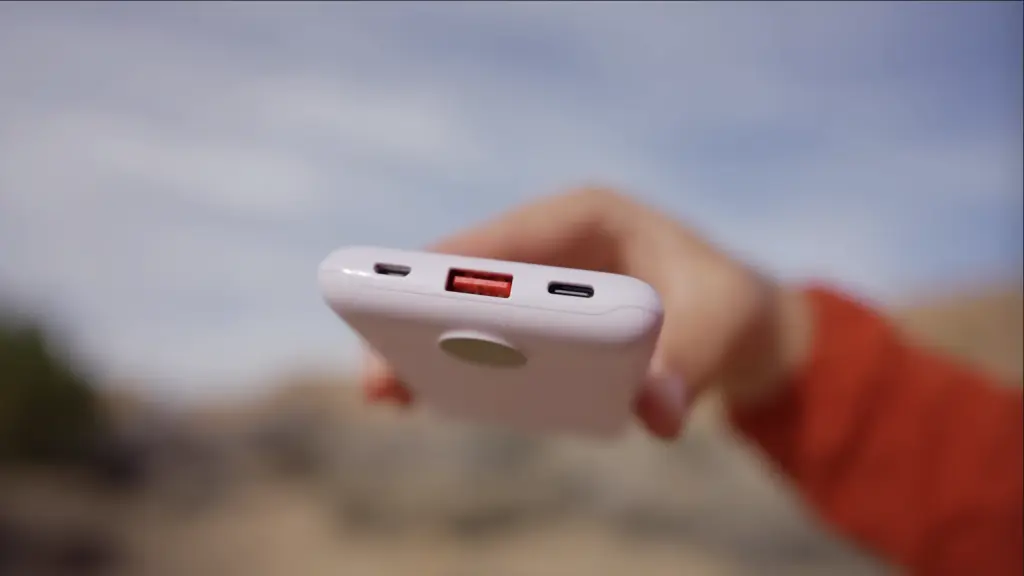
What we prioritized: Light, inexpensive, and works well.
Pros
- Three ports: micro USB, USB-C, and USB-A.
- A small screen on the front shows remaining battery percentage.
- Lighter options exist, but they cost a lot more, and none of them come in this purple colour.
Cons
- Only one USB-C port. With everything using USB-C these days, a second USB-C port would be more useful than the micro USB and USB-A ports.
Aerogogo Giga Air
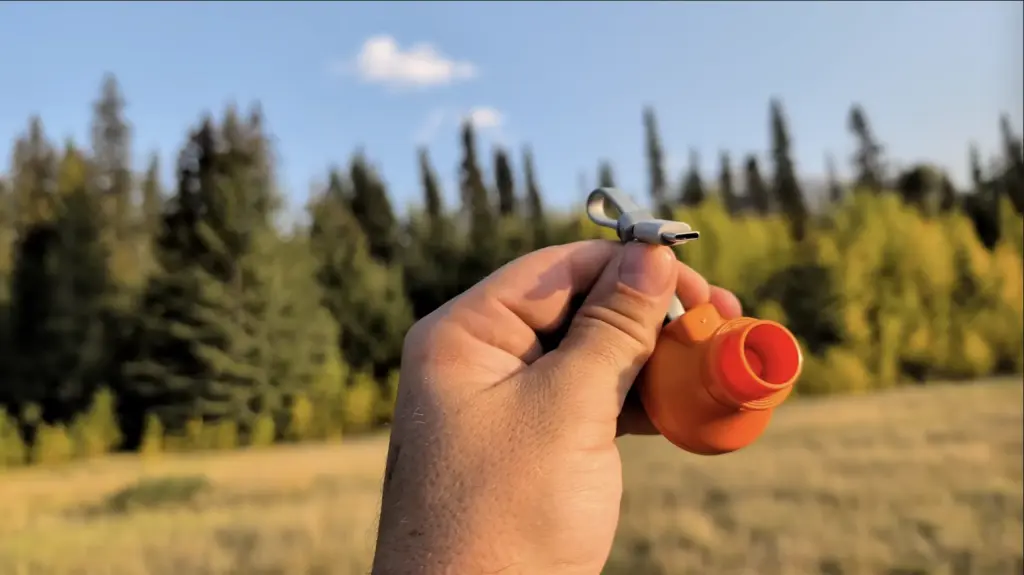
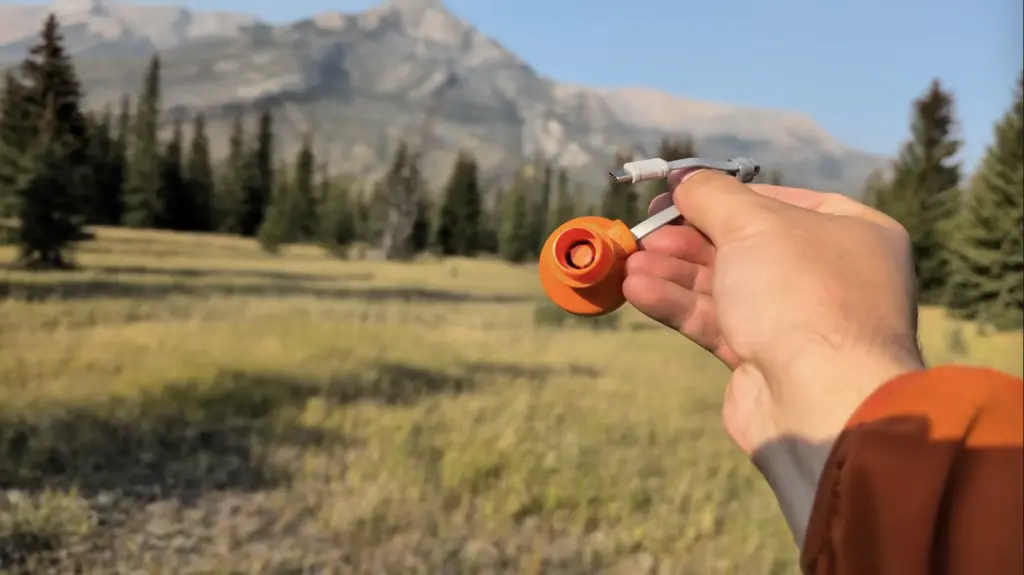
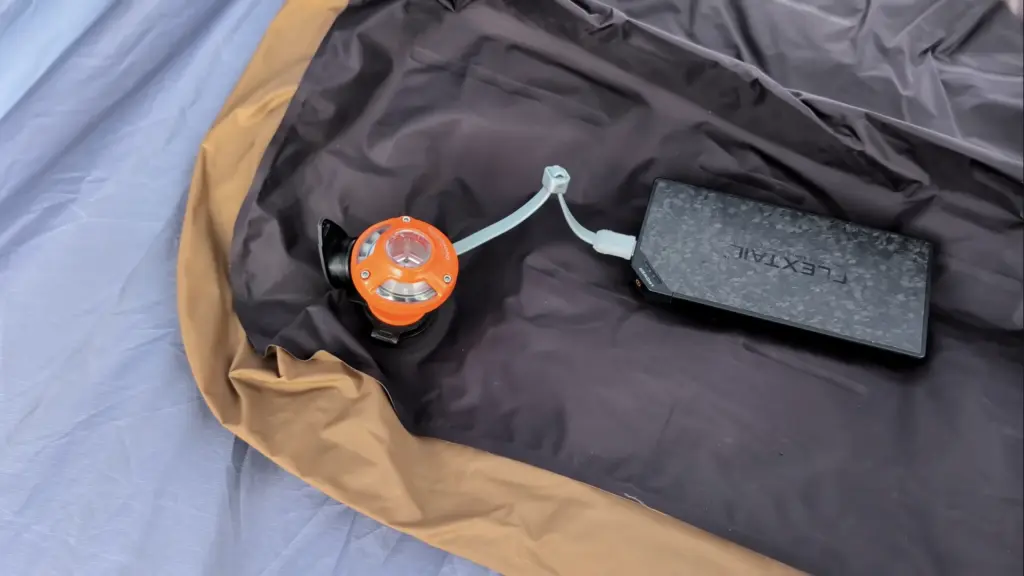
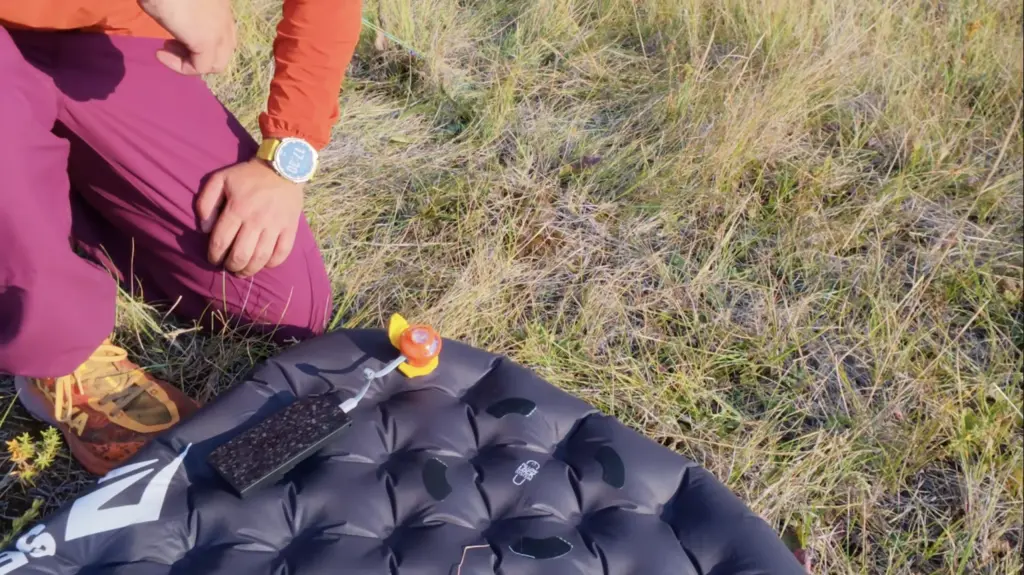
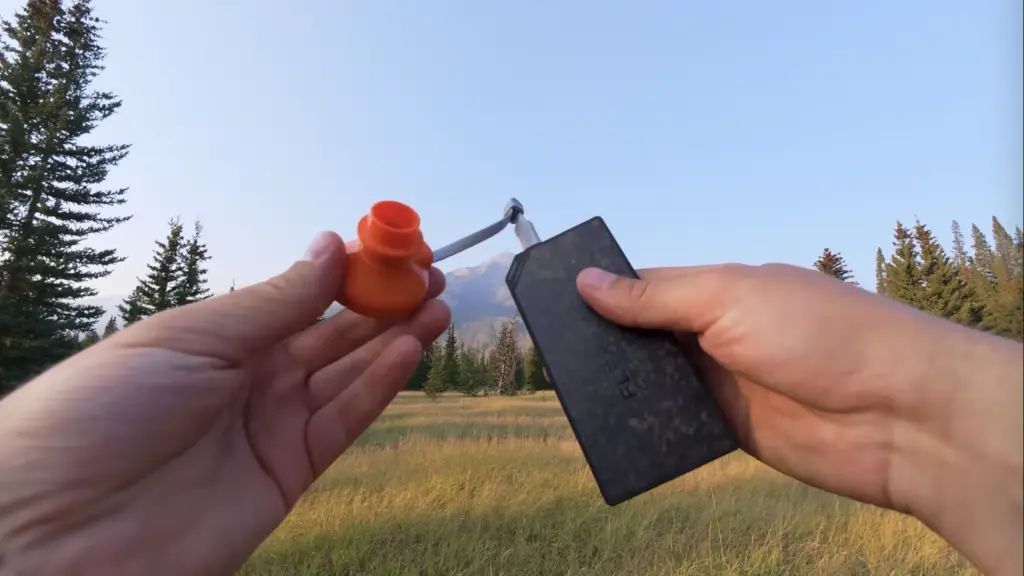
What we prioritized: Power for the weight.
Pros
- Powerful for its weight. It inflates basically all of the biggest sleeping pads quickly.
- Not annoyingly loud.
- Has enough pressure to fill pads to a good firmness without needing to add extra breaths of air.
Cons
- Needs an external battery to operate.
- Not as light as the Alpenglow or the Rex-Creations Pad-Pal.
Alternative pick: The Flextail Max Pump 3 is the one to get if you need a built-in battery. In addition to the built-in battery, it has equal (or better speed and pressure) and a built-in lantern. GearPriority trips this year were split about evenly between the Max Pump 3 and the Giga Air.
Bogler Trowel
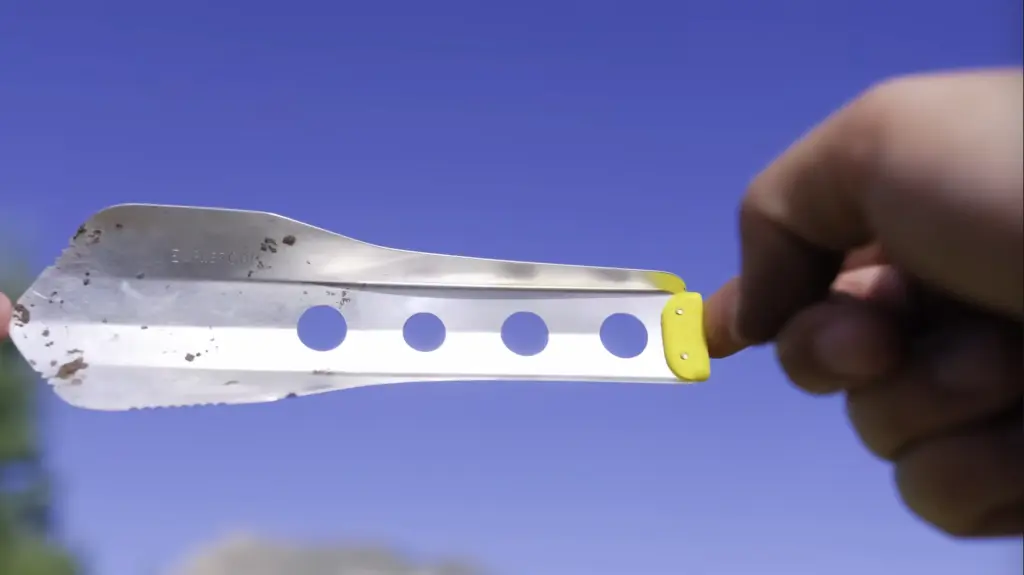
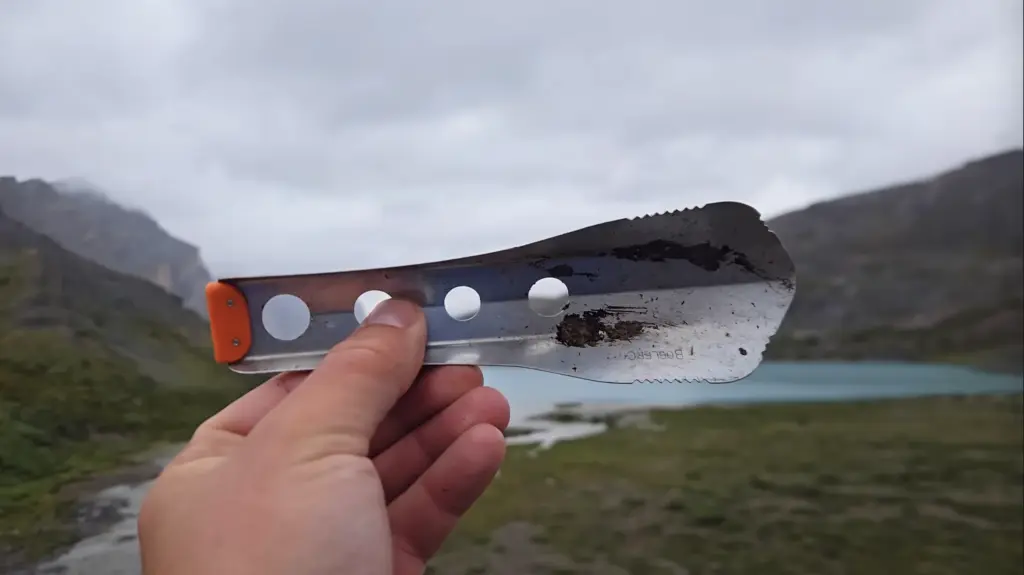
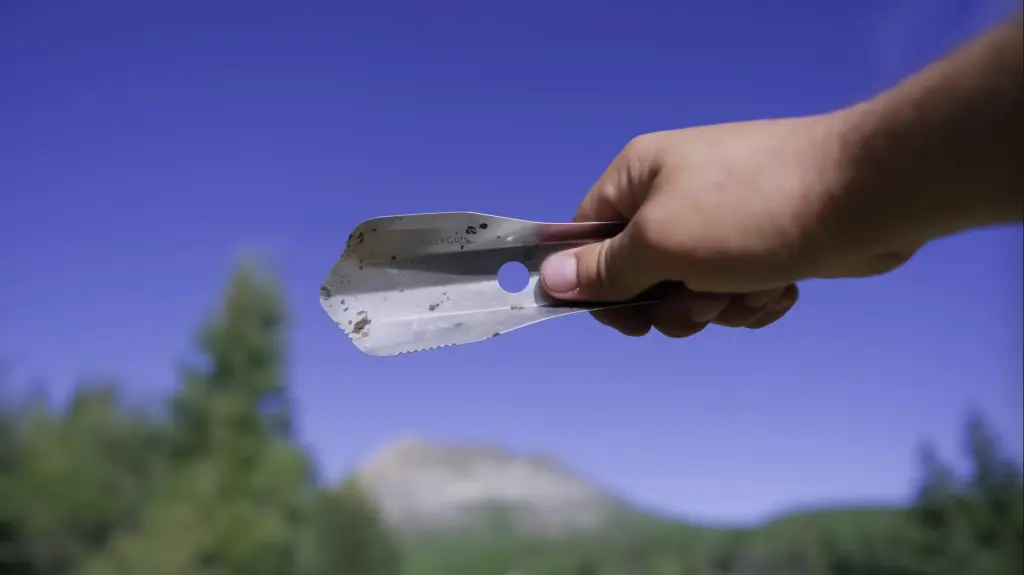
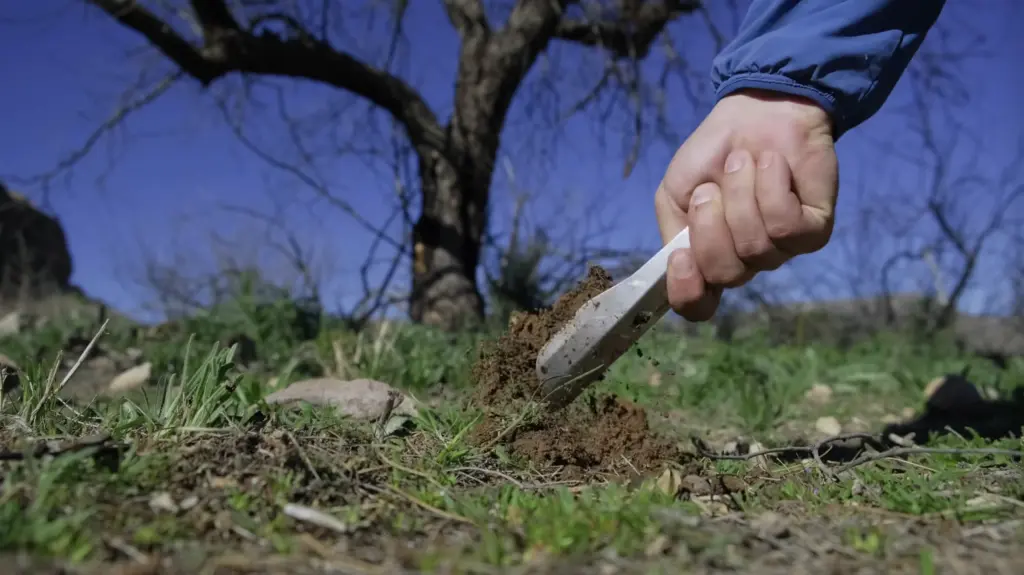
What we prioritized: Light, cuts through roots, and comfortable in the hand when you have to push hard.
Pros
- Serrated edges on both sides cut through roots.
- Made from very thin aluminum for weight savings yet is still sturdy due to the design.
- Ergonomic grip with a small nub on top for when you need to push on it.
- At only 13 g (0.5 oz), it has been by far the best trowel for years.
REI Flexlite Air
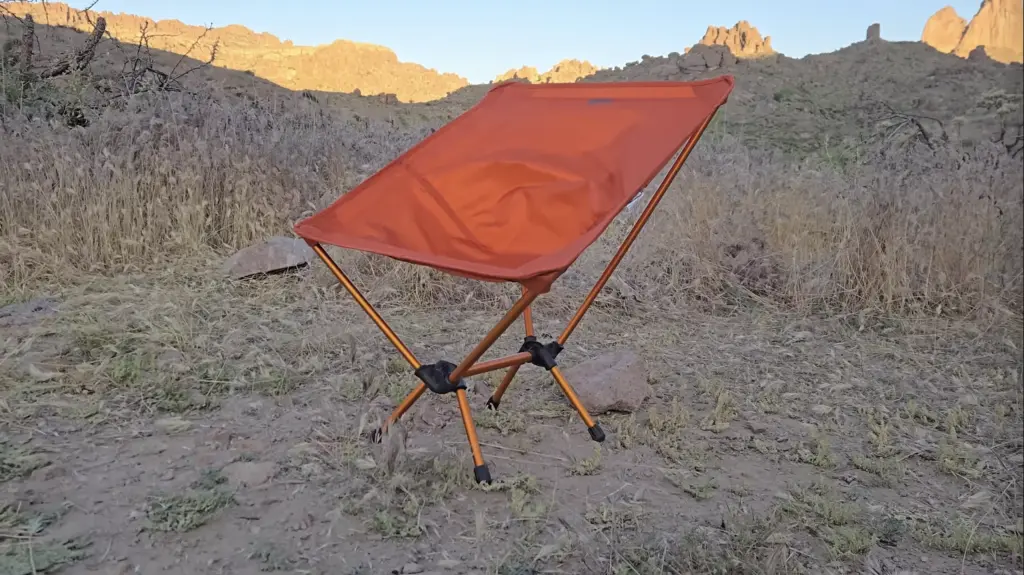
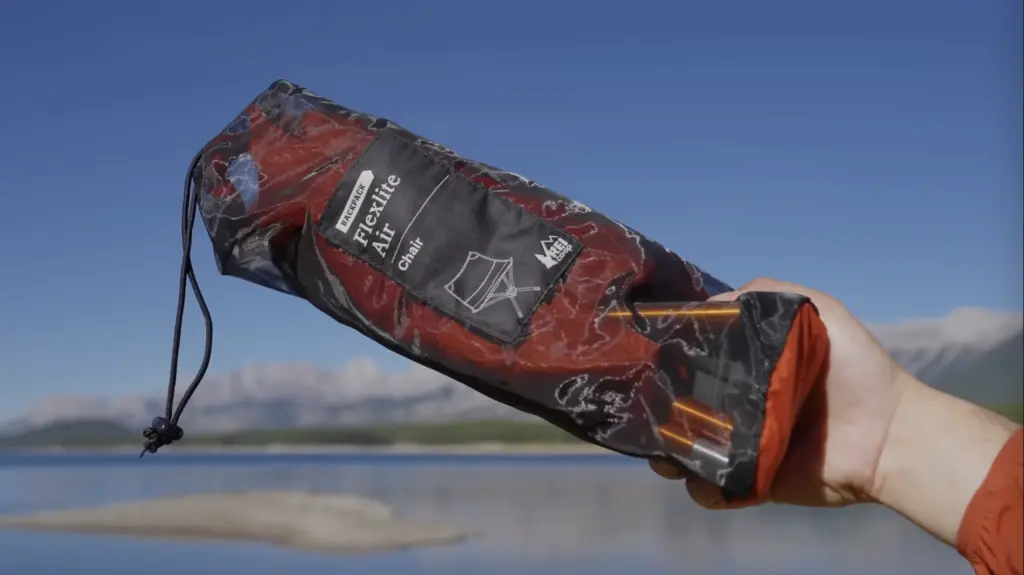
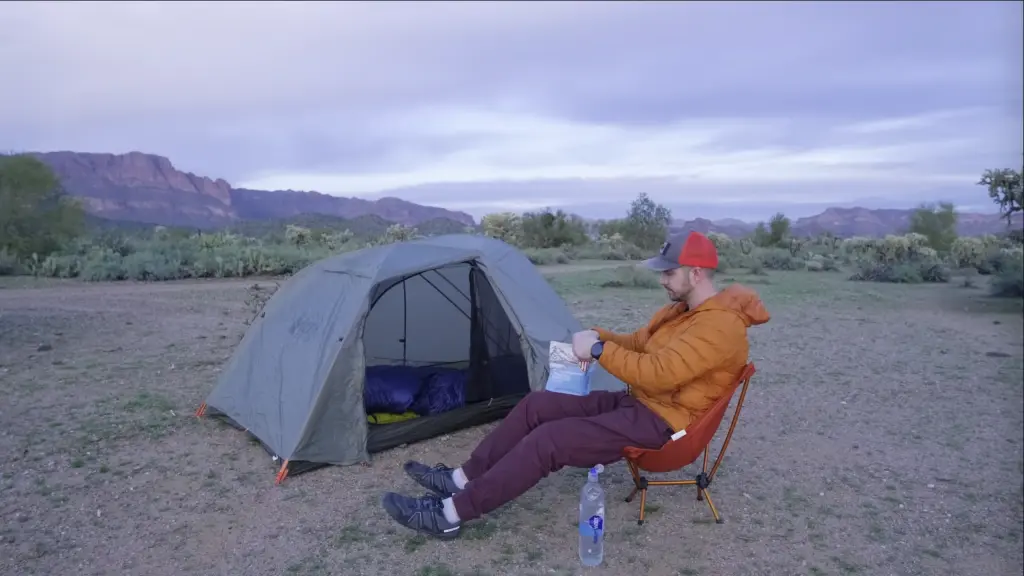
What we prioritized: Value in a lightweight chair.
Pros
- Lighter and less expensive than the Helinox Chair Zero - the chair that usually gets the attention in this weight class.
- Comfortable enough for a lightweight chair.
Cons
- May be a little less comfortable for some people compared to other options.
- A little wobblier than the competition.
Alternative pick: The NEMO Moonlite Elite is the pick for anyone willing to pay more for something fully featured. The case doubles as a footprint for sand or soft ground and it has a recline mode for when you really want to relax. It has been the go-to chair at GearPriority for a couple of years - mostly because of how useful the footprint is on softer ground.
Decathlon Forclaz MT100

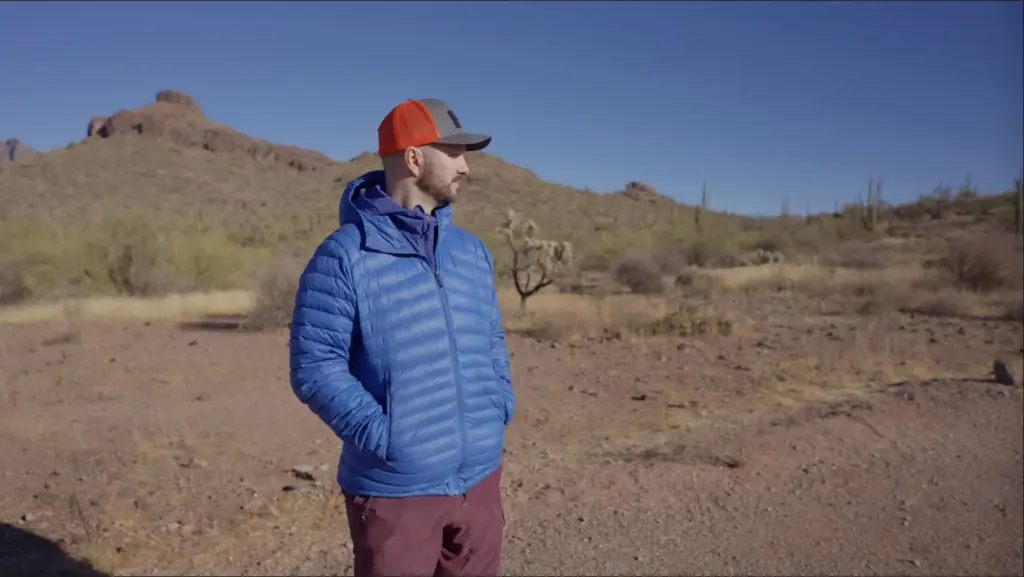

What we prioritized: Warmth and durability at a low price.
Pros
- Uses high end materials: 15d polyester shell material and 800 CUIN down.
- Warm down to about freezing when static.
- Has been durable over hundreds of days of use.
Cons
- The price seems to continually increase while the fill weight is decreasing.
Peak Refuel Chicken Pesto Pasta
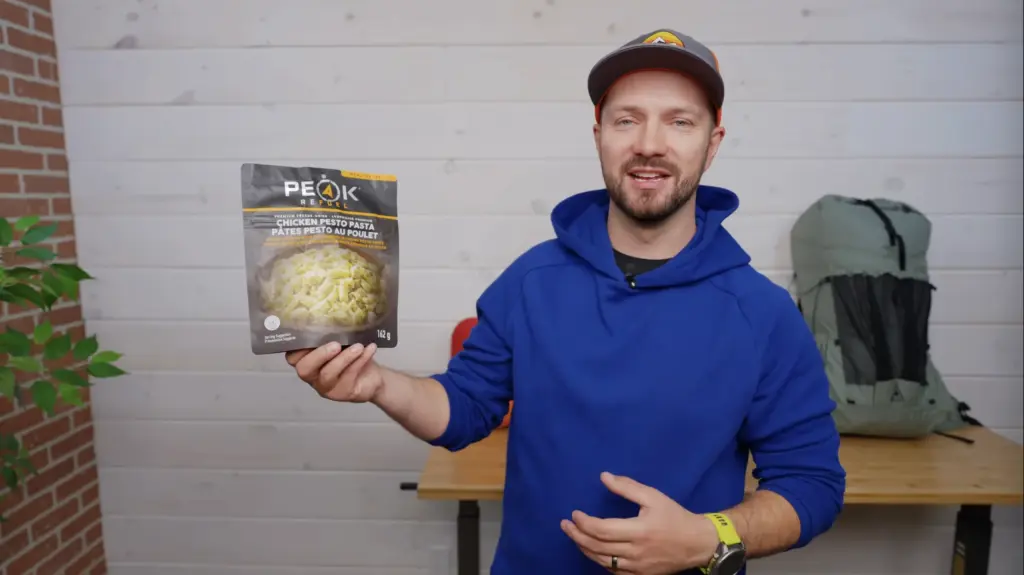
Pros
- Cheesy, tasty, and full of calories.
- It has been the GearPriority favourite for a few years now.
Buying Guide
Weight Is a Trade, Not a Goal
Spend Where Failure Hurts
Fit Beats Specs
Buy a System, Not a Part
Summary
If you only take three things from this list, take the podium winners. Gold goes to the Zenbivy Ultralight Bed. Zenbivy has been revolutionizing sleep, and it would not be a surprise to see it become the most popular option for most backpackers. Silver goes to the Durston X-Dome 1+. For a solo backpacker it is the tent to get, and nothing else on the market competes on performance, price, and weight together. Bronze goes to the Aerogogo Giga Air pump, the product that changed the most minds at GearPriority this year. It went from something the team expected to be garbage to the go-to pump on most trips.